![MaritimeJournal[Seawork]](https://www.maritimejournal.com/wp-content/uploads/2026/09/MaritimeJournalSeawork.svg)






Dogger Bank gets the go ahead
Progress is being made on the development of the North Sea offshore windfarm, Dogger Bank, as the first consent order is approved.
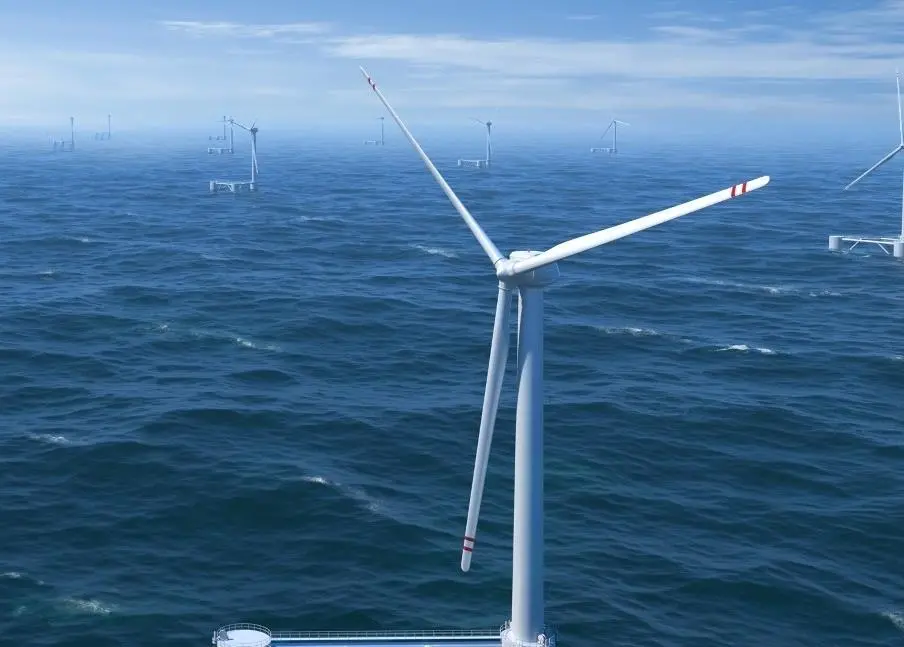
The consent approval comes after more than four years of assessments, stakeholder consultation and planning by the Forewind consortium and makes it the largest renewable energy development ever to receive planning consent in the UK.
This work included the most extensive study of an offshore area by a wind energy developer ever undertaken with more than £60 million spent on surveys, the vast majority going to UK-based contractors.
“Achieving consent for what is currently the world’s largest offshore wind project in development is a major achievement for Forewind and will help confirm the UK’s position as the world leader in the industry,” said Tarald Gjerde, general manager, Forewind.
Dogger Bank Creyke Beck, which will have a total generating capacity of 2.4GW, will comprise two separate 1.2GW offshore windfarms, each with up to 200 turbines installed across an area of around 500km2. The windfarms will be located 131 kilometres from the UK coast and will connect into the existing Creyke Beck substation near Cottingham, in the East Riding of Yorkshire.
When constructed, Dogger Bank Creyke Beck is expected to be one of UK’s largest power generators. In total it will be capable of generating 8 terrawatt hours (TWh) of green energy per annum, equal to the amount used annually by approximately 1.8 million British homes.
Forewind says the flagship development is now a step closer to supplying the UK with such a significant amount of renewable energy, and to realising the many potential economic opportunities, particularly on the east coast.
Dogger Bank Creyke Beck is part of the Dogger Bank Zone, the largest of the Round 3 zones but one of the shallowest, with high wind speeds and seabed conditions ideally suited to offshore wind development.
The rights for the Dogger Bank Zone were awarded to Forewind by The Crown Estate, manager of the UK seabed. As part of the consent process a final six-week judicial review period is now underway.
“The sheer scale of this project creates the potential for it to be built at significantly lower costs, presenting a powerful opportunity for economic growth and jobs. We look forward to working with the Forewind consortium and the wider offshore wind industry to ensure the UK remains the most attractive country to invest into the long term,” added Huub den Rooijen, head of offshore wind for The Crown Estate.
Elsewhere, UK fishermen are calling for a “more collaborative approach” to planning around the windfarm to protect “a vital industry” and the livelihoods of coastal communities. The National Federation of Fishermen’s Organisations (NFFO) which represents fishermen’s groups, individual fishermen and producer organisations in England, Wales and Northern Ireland, has cautioned against the disruptive effects new developments can have on the fishing industry and have called for more joint working as the planning stages continue.
A decision on Forewind’s second development consent order application, for Dogger Bank Teesside A&B, is anticipated around August this year.
By Rachael Doyle
Related Articles
 OTHER NEWS
 ACCESSORIES & EQUIPMENT
 ACCESSORIES & EQUIPMENT