![MaritimeJournal[Seawork]](https://www.maritimejournal.com/wp-content/uploads/2026/09/MaritimeJournalSeawork.svg)






Lithium-sulphur battery project on track
In October 2015 a consortium of UK companies and academic partners, led by UK-based specialist in extreme environments technology, Steatite, began an R&D project to develop a battery pack that will be pressure tolerant up to depths of 6,000m.
Due for completion in October 2017, the project is looking to exploit the inherent benefits of lithium-sulphur battery technology.
Lithium-sulphur batteries are said to present major benefits for Marine Autonomous Systems looking to improve on neutral buoyancy, higher levels of safety and higher energy densities.
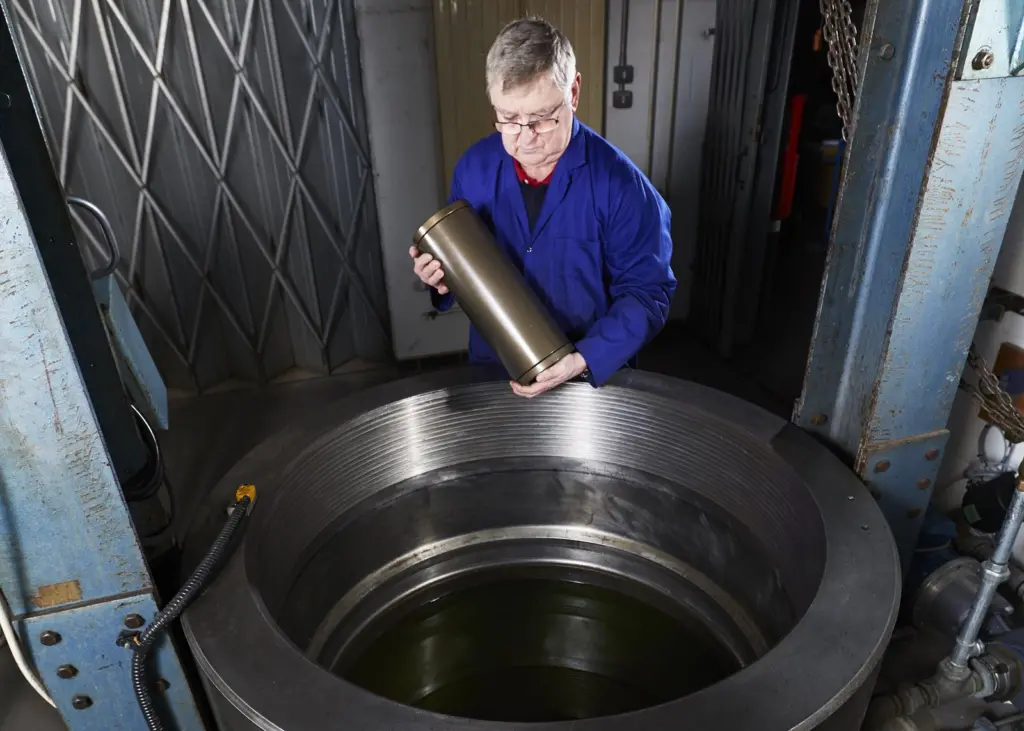
The first phase of the project, recently completed at the National Oceanography Centre in Southampton, involved repeatedly testing lithium-sulphur cells at pressures and temperatures equivalent to undersea depths of 6,000m.
The test results have confirmed that the cell performance is unaffected by being exposed to these extreme conditions, with consistent delivery of energy.
A summary of completed project milestones so far includes:
- Repeated cycling of lithium-sulphur cells under conditions replicating a depth of 6000m show consistent energy delivery performance
- No internal damage or adverse effects on the chemistry of the cells is detected
- Production of hardware and software for the associated battery management system is now underway
The project’s aim is to build and demonstrate a lithium-sulphur system in the flooded compartment of an autonomous vehicle. The next phase of the project will complete the design work for a trial battery pack including a pressure-tolerant battery management system.
By Rebecca Strong