![MaritimeJournal[Seawork]](https://www.maritimejournal.com/wp-content/uploads/2026/09/MaritimeJournalSeawork.svg)



Navigation Accidents and their Causes
The Nautical Institute’s latest book looks at major casualties and the lessons that can be learned, setting out good practice to avoid them in future.
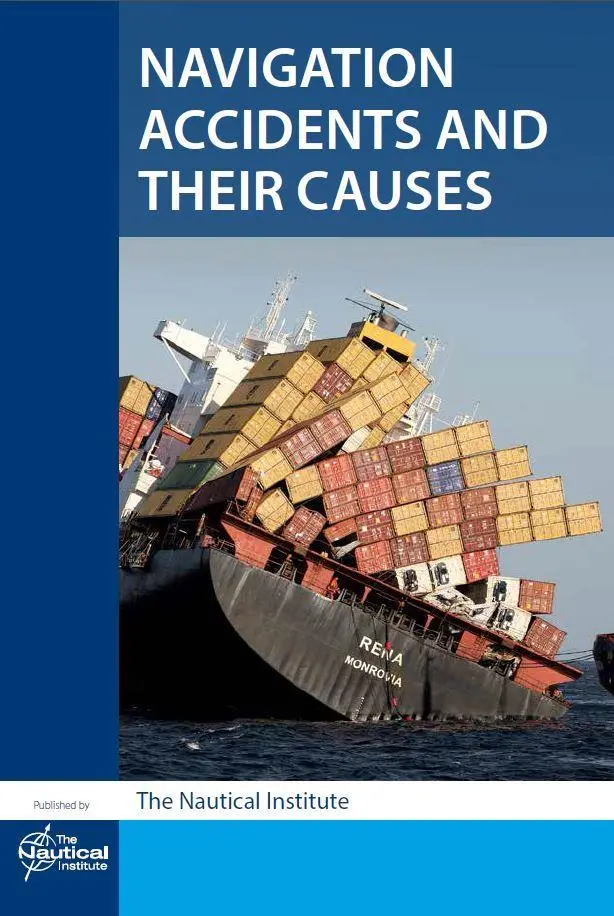
Navigation Accidents and their Causes examines nearly 30 casualties and the problems of fatigue, bridge resource management, Colregs and other issues where human factors contributed to the accidents.
Technical editor and a leading casualty investigator, David Pockett BSc FNI, explained that navigation aids are only “as good as the user” and need an alert observer who understands the input and output, can assess the data provided and identify faults.
In the future he said “the navigator will still play an important role but the job specification will be wider and more sophisticated than before.”
“Spatial issues too will become ever more of a challenge. The continued exploration for hydrocarbons offshore and implementation of renewable energy systems will have an impact on navigation, particularly in coastal areas,” he added.
In the book, an international group of authors, including accident investigators, Master Mariners, navigation specialists and university lecturers, use their experience and knowledge to look at the mistakes that have led to collisions and groundings.
Previous casualties have been used to illustrate where failures have occurred and lessons which can be learned. The need for risk assessment in advance of a voyage is highlighted in many ways, including bridge resource management and passage planning.
The authors also look into the future to identify trends that may impact on navigational risk and suggest ways to mitigate them.
Navigation Accidents and their Causes is available from The Nautical Institute www.nautinst.org/pubs