![MaritimeJournal[Seawork]](https://www.maritimejournal.com/wp-content/uploads/2026/09/MaritimeJournalSeawork.svg)






New safety measures for cruise industry
In the wake of the Costa Concordia incident, the Cruise Lines International Association (CLIA) and the European Cruise Council (ECC) has adopted two new safety policies – the latest in a series of recommendations that will be submitted to the IMO.
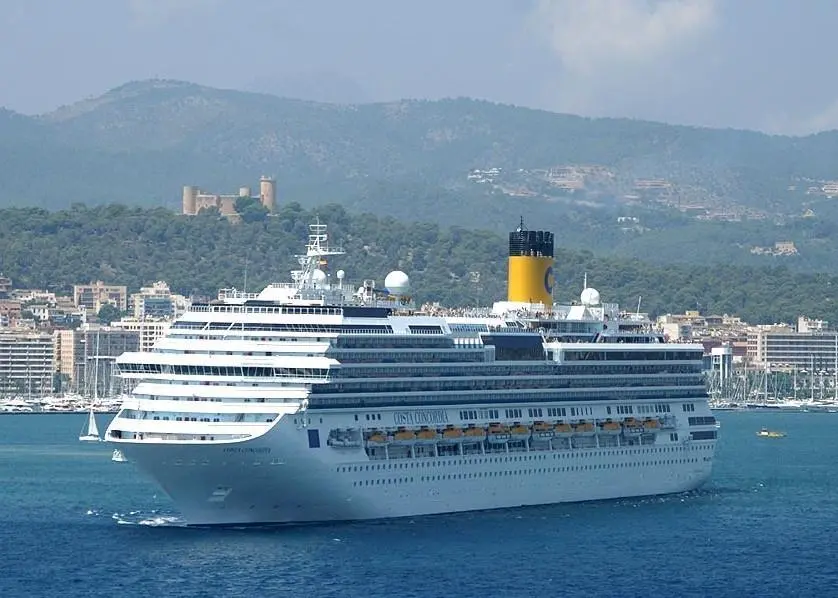
The policies relate to the recording of passenger nationality and common elements of musters and emergency instructions, resulting from the Cruise Industry Operational Safety Review launched in January 2012.
The Nationality of Passengers policy was developed in response to the request of governments at the May meeting of the IMO’s Maritime Safety Committee meeting.
It details that the nationality of each passenger onboard should be recorded and made readily available to search and rescue personnel as appropriate. Under the Common Elements of Musters and Emergency Instructions policy, member cruise lines have specified twelve common elements that will be communicated to passengers in musters and emergency instructions – including a description of key safety systems and features and an explanation of emergency routing systems and recognising emergency exits. Both new policies exceed current international regulatory requirements.
Christine Duffy, president and CEO of CLIA, said: “Ongoing innovation in safety has been a hallmark of our industry for decades and we are fully committed to continuous improvement in shipboard operations and safety. We are taking a holistic look at safety as has been evidenced by the breadth and scope of the numerous policies that have been developed and adopted as part of the review since its launch earlier this year.”
Both of the policies will be reported to the IMO for consideration at its next session in November, they can be read on the CLIA website.
The two new policies are just the latest in a string of recommendations put forward by the CLIA so far this year. In February, the global cruise industry instituted a new policy requiring mandatory emergency muster drills for embarking passengers prior to departure from port. In March, the industry put forth recommendations to the IMO supporting enhanced reporting requirements to improve the consistency and transparency of marine casualty data. In April, it announced three policies addressing issues related to passage planning, personnel access to the bridge and lifejackets. Additional best practices and policies developed through the Cruise Industry Operational Safety Review will be announced and implemented on an ongoing basis.
In May, Maritime Journal reported that The European Commission (EC) will propose new rules to increase the safety of ferries and other boats by the end of 2012. It is not yet clear whether the proposals will include cruise ships.
Related Articles
 OTHER NEWS
 ACCESSORIES & EQUIPMENT
 ACCESSORIES & EQUIPMENT