![MaritimeJournal[Seawork]](https://www.maritimejournal.com/wp-content/uploads/2026/09/MaritimeJournalSeawork.svg)



Progress in UK on port rates and light dues
Progress has been made in the UK this week with regard to one of the two hugely contentious issues of importance facing port operations and at least some clarification has arrived for the other.
Port based businesses, which have been lobbying for over a year against the unfair imposition of crippling backdated rates by the Government’s Valuation Office Agency (VOA), are celebrating a major success for their cause, following Tuesday’s vote in the House of Lords, which accepted amendments to the Business Rates Supplements Bill. And yesterday the Government’s new Shipping Minister, Paul Clark announced the new rates for light dues for the next two years.
The Business Rates Supplements Bill amendments, which were drafted by Andrew Finfer, a rating expert with Yorkshire law firm Schofield Sweeney, on behalf of the Humber Docks and Mersey Dock Rating Groups, accept the principle of no backdating without fault. Errors in rating evaluations should be borne by those responsible for the errors. There should be no backdating increase of business rates if the increase is not the fault of the business.
By voting for the amendments, the Lords acknowledge the injustice of the situation currently facing hundreds of businesses at UK ports, which are being penalised, through the imposition of backdated non-domestic rates, for failings made by the VOA. As a result, businesses are faced with closure and jobs will be lost.
Commenting on the Lords vote, Andrew Finfer said, ‘Businesses throughout the UK will welcome the fact that they will not be penalised by retrospective taxation without any fault on behalf of the business. The damage that has been, and is being, caused to port businesses as a result of the failings of the VOA will not now be inflicted on other businesses through retrospective imposition of business rate supplements. The pain felt by businesses at Humber Docks, Mersey Dock and other ports across the country, as a result of the VOA’s actions, is something that other businesses will now be spared.’
The result of the vote in the House of Lords was 184 contents to 124 non-contents. The Bill will now go for a third reading on 16 June 2009 and then royal assent. In the meantime, in recognition of the financial problems caused by the imposition of backdated rates, local authorities have delayed enforcing the collection of overdue rates from affected businesses, until the situation is resolved, in order to save businesses from financial difficulties and potential closure.
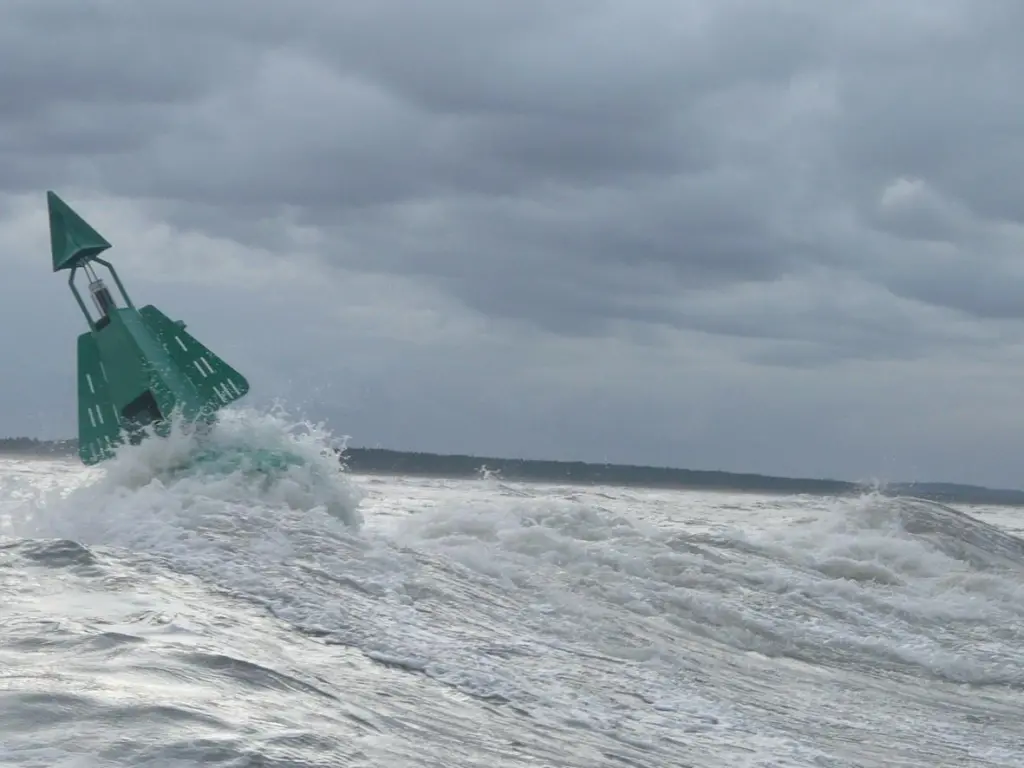
With regard to light dues, which are contributions paid by the shipping industry for the provision and maintenance of aids to navigation, the Government said they will rise from 35p to 39p per net registered ton (nrt) from 1 July this year, with a further increase to 43p on 1st April 2010. The maximum number of chargeable voyages each year will also rise from 7 to 9, with the upper tonnage threshold of 35,000 increasing to 40,000 nrt in 2010-11.
Under the Merchant Shipping Act 1995, the three General Lighthouse Authorities (GLAs) in the British Isles (Trinity House, the Northern Lighthouse Board and the Commissioners of Irish Lights) manage the lights, buoys and beacons around the coasts of their respective areas. Their costs are met from the light dues levied.
The need for the rise stems from a shortfall of around £20m in the General Lighthouse Fund due in part to the current global recession and the weakness of the pound against the Euro. There has been widespread concern that duplications of cost in maintaining three GLAs is driving up light dues and could lead to shippers avoiding British Isles main ports.
UK and Irish Ministers have reconsidered the funding arrangements for Irish Lights. On the basis of a recent study, it has been agreed to alter the formula for apportioning Irish costs on a North-South basis. The existing 30:70 apportionment is to be replacement by 15:85 with effect from the current year (2009-10). Discussions continue on other aspects of improving the joint financing arrangements.
Commenting on the new charges, Shipping Minister Paul Clark said, ‘These are the first light dues increases since 1993, and much lower than we proposed in the consultation. This decision strikes the right balance between ensuring funding is sufficient while giving some financial respite to shipping. Even after the second increase, the 43p rate will be no higher than 16 years ago, in real terms a drop of 32%.
The One Voice grouping of maritime services industries immediately expressed disappointed that the Government had increased light dues, coming despite a recognition of the difficulties that will be faced by the shipping and ports industries as a consequence.
‘Whilst we welcome the Department for Transport’s announcement of a reduction in the proposed increases and the promise of continuing reviews, all sectors will be hit by these changes, said Mark Brownrigg, director general of the Chamber of Shipping. ‘The Government committed to seek the abolition of the subsidy for Irish Lights in 2004. That action, together with the announced savings from the GLAs, would have removed the need for this damaging increase.’
One Voice says the announced changes will have a significant impact. All sectors will still see an immediate increase of 11.5%, with a further increase next April. The increase in the voyage cap will mean that the short sea and ferry industries will see a 43% increase in light dues. These sectors are under considerable pressure, with some companies having ceased trading already, yet they are of particular value in the fight both to reduce road congestion and to reduce mankind’s CO2 emissions. Any modal shift from shipping will undermine the campaign to decrease global warming.
‘The two-stage increase at least gives time for the Government, through the further reviews of the provision and funding of Irish lights and through a strong stance in negotiations with their Irish counterparts, to remove the need for the second stage of rate rises, added Brownrigg. ‘We hope they will be bold and ambitious in pursuing the CIL reviews and that they will look again at ending a subsidy that they have agreed is entirely inappropriate.’
Related Articles
 ACCESSORIES & EQUIPMENT
 ACCESSORIES & EQUIPMENT
 MARINE CONSTRUCTION