![MaritimeJournal[Seawork]](https://www.maritimejournal.com/wp-content/uploads/2026/09/MaritimeJournalSeawork.svg)

Progress made on Marine Conservation Zones
The ‘Marine Conservation Zone Project’ has published its third set of progress reports showing the latest iterations in the project to identify Marine Conservations Zones (MCZs).
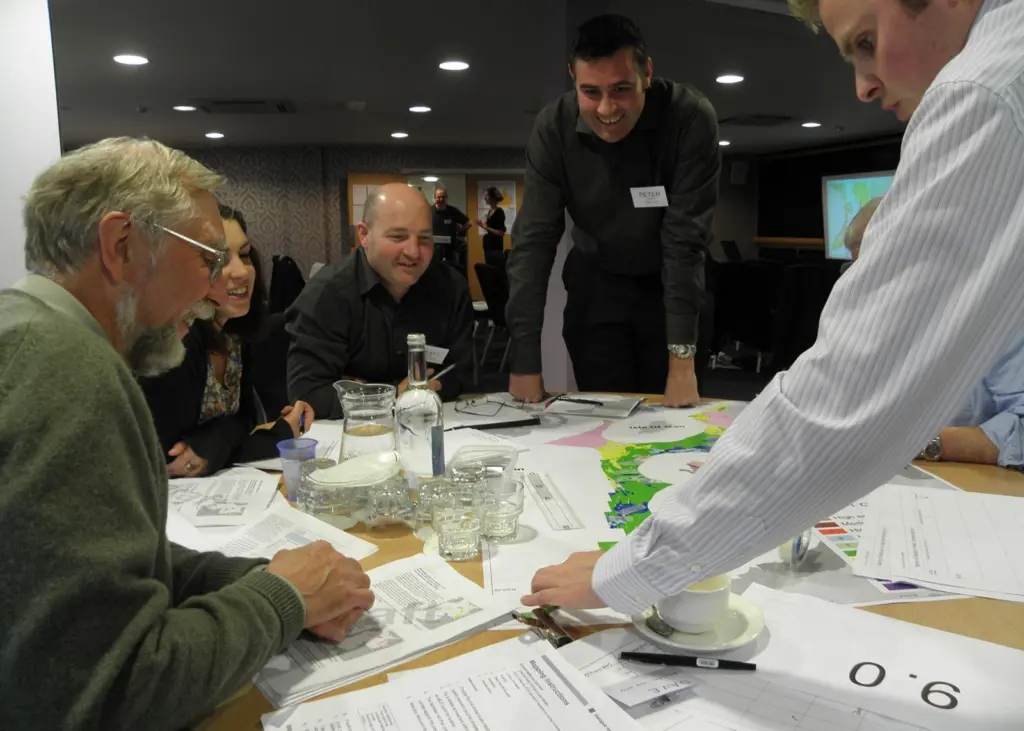
MCZs aim to conserve areas of the sea protecting rare, threatened and representative marine habitats and species, whilst minimising socio-economic costs to sea users. The MCZ Project area covers English inshore waters and the offshore waters around England, Wales and Northern Ireland. The UK has a legal obligation to designate Marine Conservation Zones (MCZs) that will contribute to a network of marine protected areas within a wider European network.
The progress reports published on-line show work-in-progress for recommendations to identify new MCZs in an area covering over 240,000 sq/km in English territorial waters (0-12 nautical miles) and English, Northern Irish and Welsh offshore waters (12-200 nautical miles).
The ‘MCZ Project’ is being delivered through four regional MCZ projects covering the south-east (Balanced Seas), south-west (Finding Sanctuary), Irish Sea (Irish Sea Conservation Zones) and North Sea (Net Gain). These Regional Stakeholder Groups are responsible for making recommendations to Government for where MCZs could be located, based on best available evidence including their own first-hand knowledge and experience of the sea.
The progress reports present the most up to date view of the work of the four regional projects which, since 2009, have been working with representatives from a wide cross section of people including fishermen, scientists, marine and offshore industries, divers, conservationists and recreational users of the sea. Representatives from Belgium, Denmark, France, Ireland, the Netherlands and Norway have also been involved, due to cross border interests.
Greg Whitfield, project manager for Irish Sea Conservation Zones said, ‘I want to thank our Regional Stakeholder Group for the excellent progress they have made to develop 10 possible MCZs in our project area. These are close to satisfying a wide range of ecological, commercial and recreational interests. The coming months will be an exciting and busy time as further negotiations continue.’
Joanna Redhead, project manager for Net Gain in the North Sea said, ‘This is an innovation in marine protection legislation, because it is a ‘bottom-up’ process. The pen for drawing up recommendations is firmly in the hands of the people who have a stake in its future.’
Sue Wells, project manager for Balanced Seas said, ‘We are delighted that Dutch and French stakeholder representatives are attending meetings and providing information and feedback. In the crowded seas of the English Channel, successful MCZs will depend on active involvement of all interests.’
Tom Hooper, project manager for Finding Sanctuary added, ‘Over the last year, I have watched the southwest’s network of MCZs being developed and shaped by our Regional Stakeholder Group members in a regular series of day long planning meetings. More work remains to be done over the next few months before we make our final submission to Government. But this is the culmination of many days hard work by stakeholders which will result in a jointly and collaboratively developed outcome.’
This third set of progress reports has now been submitted to an independent Science Advisory Panel for comment, in advance of the next phase of shaping recommendations for MCZs.
Following a formal public consultation in spring 2012, the Government’s aim is to designate new MCZs later by the end of December that year.
Related Articles
 ACCESSORIES & EQUIPMENT
 ACCESSORIES & EQUIPMENT
 MARINE CONSTRUCTION