![MaritimeJournal[Seawork]](https://www.maritimejournal.com/wp-content/uploads/2026/09/MaritimeJournalSeawork.svg)

The escalating Mediterranean situation
With the EU approving the use of force against people-smugglers in Libya – Malta-based security expert Marshall Consultants investigates the maritime security threats that are forcing them to act.
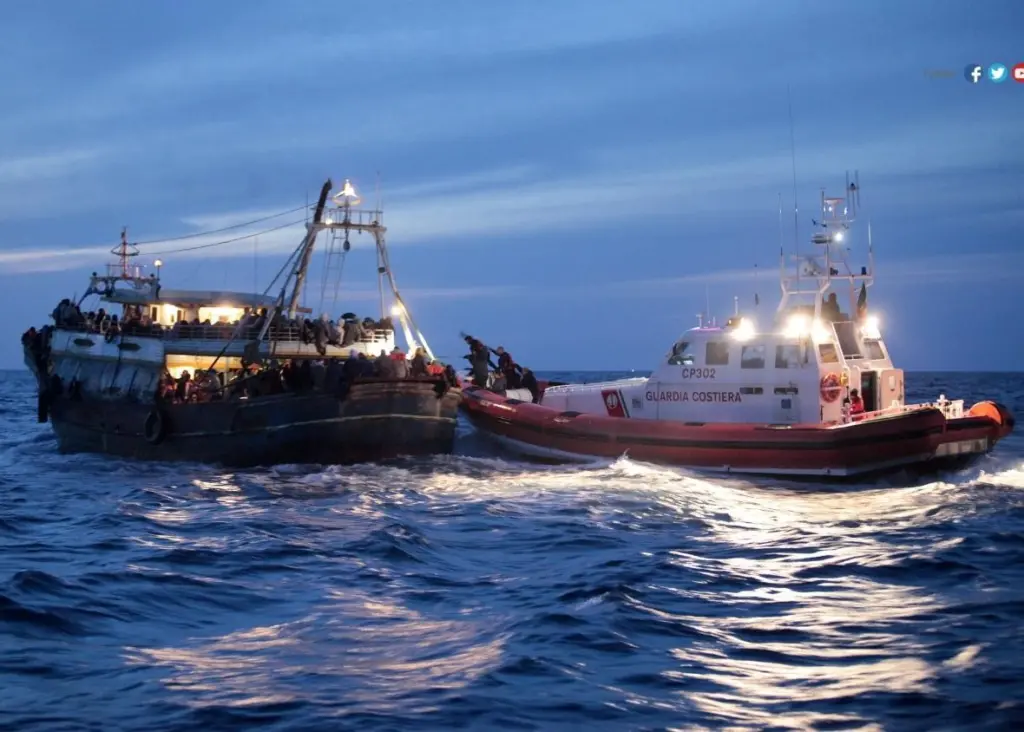
Foreign and defence ministers of the EU-28 have recently met to approve a mission to forcefully destroy infrastructure used by people-smugglers in Libya. At the meeting, they finalised and approved plans for search and destroy operations and put in place command-and-control structures for the mission. They must now await backing from the United Nations before operations commence.
The plan is a controversial element of the EU’s response to the trafficking of migrants in the region. It will be focused initially on gathering intelligence and taking action against vessels in international waters. The final phase will see direct action against boats in Libyan waters and in Libyan ports, currently occupied by regional and Islamist militants.
The mission is ostensibly a response to the humanitarian crisis, but, the nature and extent of the operation will have been heavily influenced by the political and security concerns surrounding the role of militant groups in the region.
Smugglers reportedly make up to $1M per transit, this allows militant groups such as ISIS to make significant economic gains from a trade that carried more than 214,000 people last year alone.
EU leaders are understandably reluctant to let this continue as they seek to check the momentum of the group in the region. A response to the threat is deemed of such importance that permission from Libya is being sought, but has not yet been granted.
A spokesman from Libya’s internationally recognised Government in Tobruk, Hatem el-Ouryabi, has spoken out against the plan, “The government will not accept any violation of Libyan sovereignty,” Ouraybi said, and “will not accept the plan unless it is coordinated” with Libya’s internationally recognised administration.
Security experts in the region have been reluctant to fully back the plans. Ralph Marshall of Marshall Consultants Group is not convinced that the plan tackles the root causes of the humanitarian crisis, “It may slow smugglers down but the demand will remain and the vessel quality will more than likely deteriorate.”
Marshall added, “We’re actually concerned that it will decrease security in the Mediterranean, the trade is so lucrative for smugglers that they’ll be forced to seek new ways to secure vessels, this could lead to an increased threat of seizure for commercial and private shipping in the region.”
EU actions are founded on a number of intelligence reports that have emerged about threats allied to economic and strategic gains that are accruing to militant groups from the crisis.
Some intelligence suggests that militant groups not only share profits with smugglers, but even use routes to deploy militants into EU countries. Libyan government advisor Abdul Basit Haroun said this week that smugglers were transporting IS militants to Europe disguised as migrants. He based these claims on conversations with the smugglers who are controlling the trade from North African ports.
Ports controlled by Islamic State have also been identified as a potential source for attacks on shipping in the region. Last month Quilliam, a UK based counter-terrorism think-tank, translated an Islamic State document detailing a strategic plan to wreak “pandemonium” in Europe from the Libyan coast.
The report, which calls for the “targeting of the Crusader ships and tankers” – with the “closure of shipping lines” is of concern to European governments and commercial operators. Marshall believes that we should take notice of such intelligence, but we should not overstate the capacity of militant groups at this time, “Whether the capability or will exists to exercise open sea operations at this point – or in the future – is not yet clear. Operators shouldn’t panic, but should be prepared for an evolving security situation in the region”
Given that scenario, the EU will consider disruption of smuggling routes and their beneficiaries as an immediate priority. While the nature of the threat remains unclear, the EU will be under considerable pressure to respond as if it were.

Related Articles
 ENVIRONMENT
 OTHER NEWS
 ACCESSORIES & EQUIPMENT