![MaritimeJournal[Seawork]](https://www.maritimejournal.com/wp-content/uploads/2026/09/MaritimeJournalSeawork.svg)




The right to bear arms?
The timing of MARSEQ’ s ‘ Combating Piracy 09’ event in London at the end of last month was fortuitously perfect, coinciding as it did with a sharp rise in piracy in the Gulf of Aden and off the coast of Somalia.
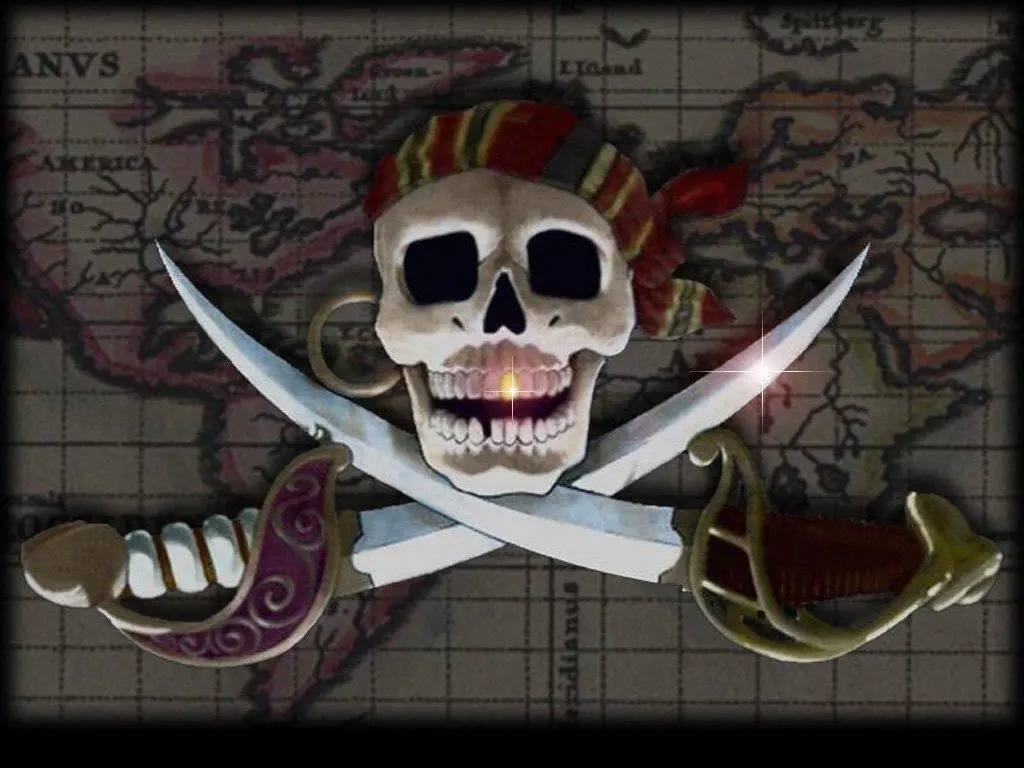
But, as some of the speakers pointed out, at least in Somalia they tend to skeep the hostages alive, and are giving the rest of the world ample chances to learn lessons if the opportunity is taken.
Whether or not that happens remains to be seen. Talking to delegates during the breaks, there was a general feel that information is not being ‘joined up’ at present. For example, there are often no regular debriefings after attacks, no single reporting point at present, and some attacks go completely unreported. This might not seem such a problem until it is appreciated that 95% of any security measure is prevention. As one delegate told MJ, it is all about ‘spotting the patterns’, not only of hijacks, but also unsuccessful attempts, because the pirate groups (probably four) often keep hunting in a certain area until successful, and then head for home.
Certainly there are many political areas to build up, and ‘a concerted effort is needed to stabilise the situation ashore’ said Mr Koji Sekimizu, director of the IMO’s Maritime Safety division. But even catching the pirates is not the end of it. Putting them on trial is quite another thing, since many nations have not taken on the ‘machinery’ of law required to convict them. They are thus set free, often conveniently ‘forgetting’ their nationality and so adopting the trialling host country as their new home.
Another hot topic was that of lethal vs non-lethal’ deterrents. Despite the very vocal support of some of the more aggressive private security companies based near the area who stand to make quite a lot of money out of the issue, whether there is actually a solid reason to arm shipping is debatable.
As captain Richard Farrington, chief of staff OHQ Operation Atlanta pointed out, ‘all you need is an extra 20 minutes,’ and the armed forces in the region can, usually, scramble an aircraft and/or military vessel for support if the passage has been registered with the EU Navfor MSC HOA website.
He added that every extra minute the pirates can be held off is in a crew’s favour, as when a helicopter turns up, the pirates generally go away.
Giles Noakes, chief maritime security officer for BIMCO pointed out that the issue of legality and arms ‘difficult’ as it no doubt potentially ‘taints’ both hull and cargo insurance. Also, no matter what the security companies say, there is always an ever present possibility of escalation.
Noakes said that so far ‘no vessel had been reported as taken doing more than 16 knots,’ and this speed (or more), with a few degrees of heel, should create enough bow wave to make boarding very hard indeed, especially if added to other (tried and tested) non-lethal defensive measures such water cannons.
Noakes added, ‘I can’t believe we are really considering weapons on 20,000 ships, and not inviting illegality. We don’t want arms with crews that are not properly trained.’ An armed guard, ‘is after all, an explicit statement’ of probable use and runs the concomitant risk of collateral damage.
He rounded off the discussion by saying that in general only the most vulnerable shipping should be looking at armed escorts, and preferably military, UN mandated forces rather than going down the route of arming crews or using private security guards.
Related Articles
 ACCESSORIES & EQUIPMENT
 ACCESSORIES & EQUIPMENT
 MARINE CONSTRUCTION