![MaritimeJournal[Seawork]](https://www.maritimejournal.com/wp-content/uploads/2026/09/MaritimeJournalSeawork.svg)





UK beaches a load of old rubbish?
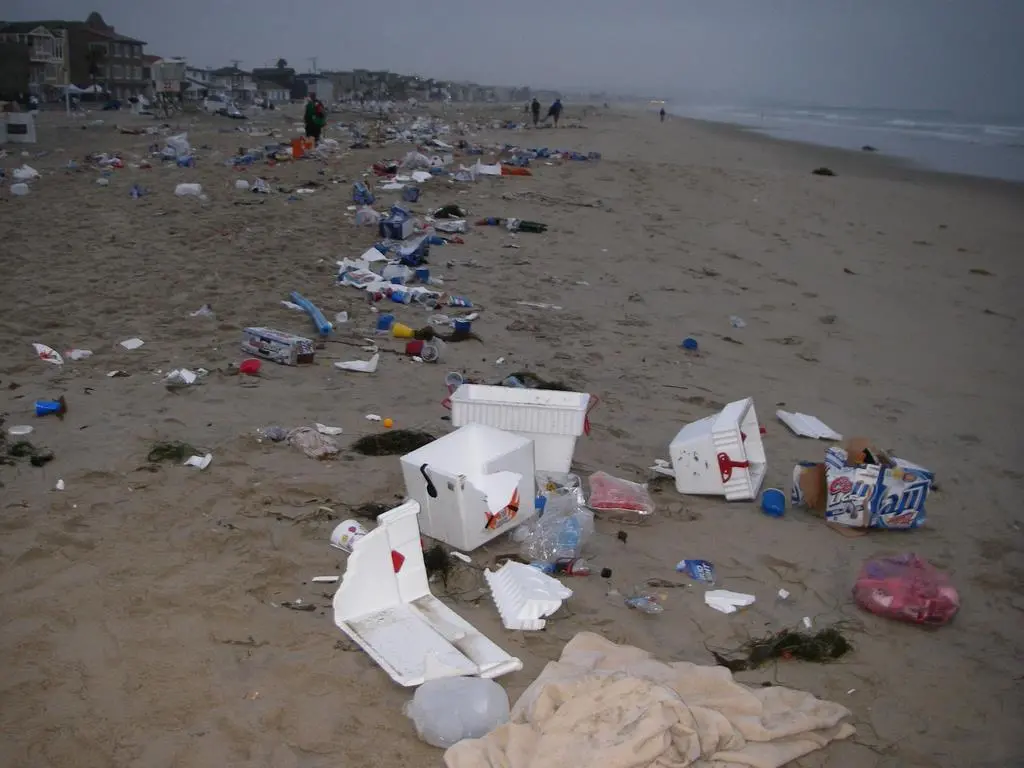
The latest survey by the Marine Conservation Society (MCS) has found that litter on the UK’ s beaches has reached its highest ever level, up by 110% to 2,195 pieces per kilometre.
The Society has called for a new ‘coordinated marine litter strategy’ to help tackle the problem of beach litter.
The annual MCS Beachwatch event takes place on the 3rd weekend of September every year and the data collected is used for the annual MCS Beachwatch report. Its 2008 survey involved 5,000 volunteers.
The 2008 Survey says that average figures for the UK are now at 2,195 litter items per kilometre of beaches surveyed compared to 1,045 items per kilometre in 1994 and the density of plastic found on UK beaches is at its highest level ever. It adds that the four main sources of beach litter are from the public, fishing, shipping and sewage.
The MCS has warned councils and the taxpayer will pay the price of clearing litter from UK beaches, including the loss of tourism and recreational potential, repeated clean up costs, fouling of marine equipment, harm to wildlife and reduced value of fishing catch.
Beaches in the South West of England fared the worst with the highest density of rubbish at 4,784 items per kilometre. In Northern Ireland, Scotland and Wales beach litter figures had dropped.
The MCS wants specific bodies to be established in England, Wales, Scotland and Northern Ireland which would work together to prevent marine litter. They have set up a petition calling for a Government action plan.
Ministers have said that individuals should be held responsible for dropping litter.
Related Articles
 ACCESSORIES & EQUIPMENT
 ACCESSORIES & EQUIPMENT
 MARINE CONSTRUCTION