![MaritimeJournal[Seawork]](https://www.maritimejournal.com/wp-content/uploads/2026/09/MaritimeJournalSeawork.svg)



Underwater metal detectors utilised
Marine scientists are employing the underwater metal detector, Pulse 8X, in order to receive transmitter devices, locate shellfish and protect habitats.
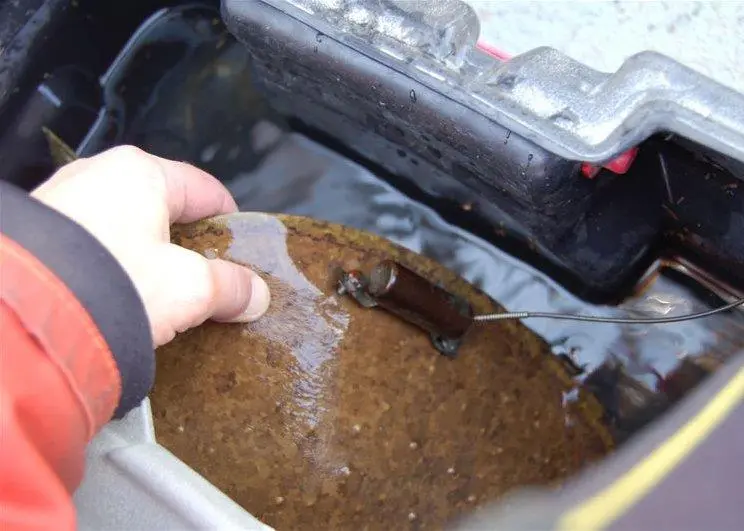
In order to track resident turtle population on the Canadian-US border, 23 turtles were captured and a transmitter was attached to the shell of each. Following a four year study the project investors wanted to retrieve the devices using the JW Fishers Pulse 8X underwater metal detector.
“We had decided from the start an underwater metal detector would be the best tool for the recovery effort as the transmitter had metallic elements,” said Richard Savignac, a Canadian diving safety officer working with the group.
“Once a site had been identified, a diver was then deployed with a JW Fishers Pulse 8X detector.”
Hong Kong’s Department of Agriculture, Fisheries and Conservation also use underwater metal detectives in its work when trying to conserve the sea turtle’s habitat.
KS Cheong, a wetlands and fauna conversation officer, said: “We bury metal plates to mark the turtle nest’s location so we can protect them, often the plates get covered with sand we use a Pulse 8X to relocate them.”
“We used some other detectors before but their performance was poor. A professor at Taiwan University used the JW Fishers detector for the same purpose and reported excellent results,” he added.
Alongside this, Dr Hunter Leniham, University of California, used the Pulse 8X to locate the shellfish which had a small metal tag affixed to them. The shellfish’s health was examined in order to work on cultivating disease resistant abalone in an effort to increase their numbers.
By Alice Mason