![MaritimeJournal[Seawork]](https://www.maritimejournal.com/wp-content/uploads/2026/09/MaritimeJournalSeawork.svg)




Engineering a ‘nature-positive’ marine future
A new report urges the marine engineering sector to embed sustainability at the heart of marine construction and marine infrastructure projects.
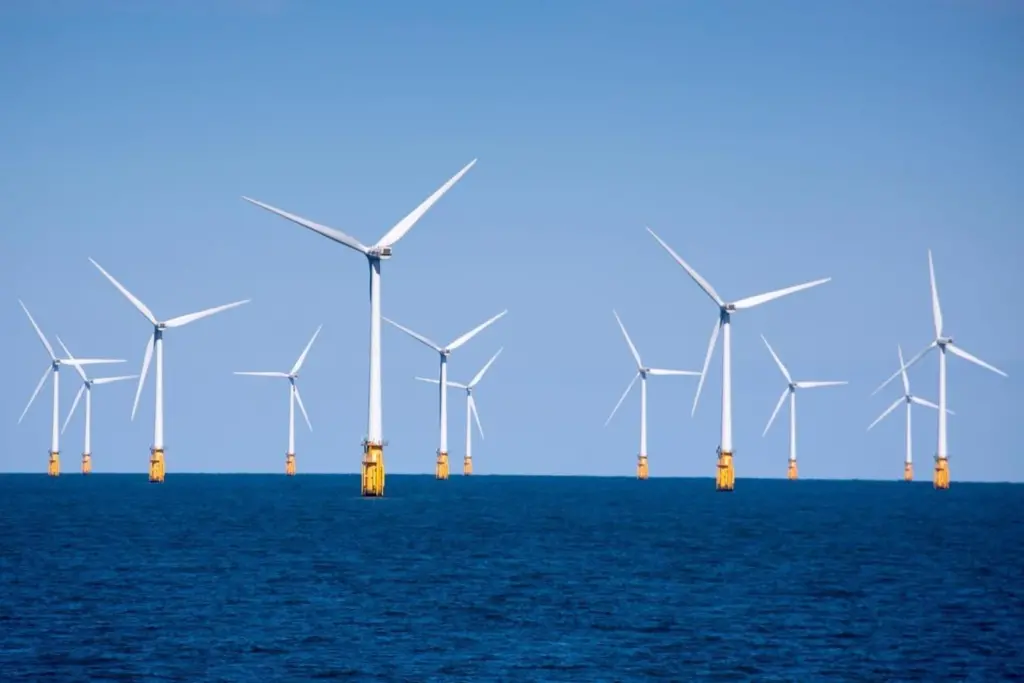
The Foresight of Nature-Positive Engineering report, launched by Lloyd’s Register Foundation in partnership with the International Coalition for Sustainable Infrastructure (ICSI), outlines a blueprint for scaling nature-positive engineering (NPE) in ports, coastal protection and offshore renewable energy.
“Engineering has long driven human progress, but it has also contributed to ecological degradation, biodiversity loss and climate instability,” said Savina Carluccio, executive director of ICSI and author of the report.
“These changes are having a significant impact on the maritime system, where rising sea levels and severe weather patterns pose a significant threat to the safe operation of marine infrastructure, and the livelihoods of coastal communities.”
Transformative shift
The report positions NPE as a transformative shift in marine construction – actively restoring ecosystems and enhancing biodiversity rather than simply minimising harm.
From living shorelines reinforced with native vegetation to ecologically enhanced port structures and fish hotels in windfarms, examples of marine engineering solutions already in use demonstrate the potential for large-scale adoption.
Three recommendations form the backbone of the call to action of the report: Creating a supportive policy environment, launching a technical toolkit for engineers and educators and establishing a global alliance to share best practice.
With over $44 trillion of global GDP dependent on ecosystem services, the report stresses that nature-positive marine infrastructure can drive both sustainability and economic resilience.
Experts estimate that three-quarters of the infrastructure needed by 2050 is yet to be built, making the timing for change critical.
Related Articles
 INDUSTRY NEWS
 MARINE CIVILS
 MARINE CIVILS