![MaritimeJournal[Seawork]](https://www.maritimejournal.com/wp-content/uploads/2026/09/MaritimeJournalSeawork.svg)




‘Gateway to EU’ pulls out from port take-over
The UK’s ‘Gateway to the EU’ ferry port has decided not to re-open ferry services at a nearby port because of the cost of doing so.
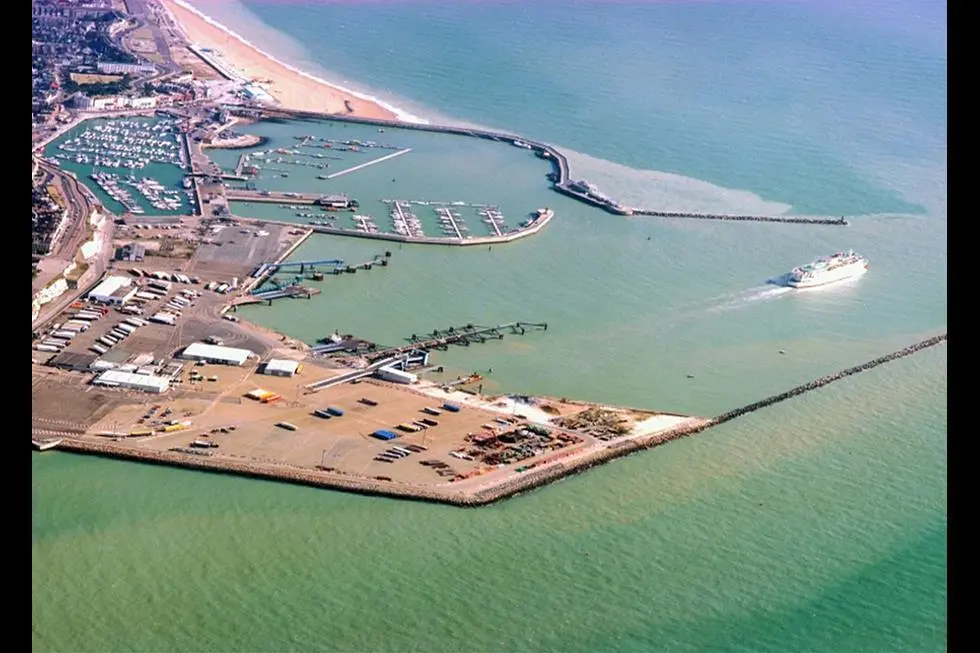
Dover, which is the largest ro-ro and ro-pax port in the United Kingdom, had sparked a wave of optimism about the future of the Port of Ramsgate, which stopped running ferries in 2014, although it continues to support offshore wind and aggregates.
The Port of Dover had seen commercial potential in Ramsgate, which is just 33km away, because of its proximity to the EU, 17.8 acres of land and three ro-ro berths.
It now takes the view that the CAPEX it felt was required ‘held more risk than we could accept at that point’ and upon reviewing its position had ‘regrettably concluded’ that it could not progress considerations with Port of Ramsgate’s owner, Thanet District Council (TDC) ‘at this time’.
However, stepping back does not necessarily spell the end of the road, which has seen some twists and turns over the years.
In a letter to TDC, Doug Bannister, chief executive of the Port of Dover, acknowledged Ramsgate’s strong strategic location, efficient shipping potential, and road connections – all ingredients for a viable ferry terminal.
“If there were an opportunity to discuss potential collaboration in the future, I would welcome it,” he wrote, leaving the door open for renewed talks.
Costs
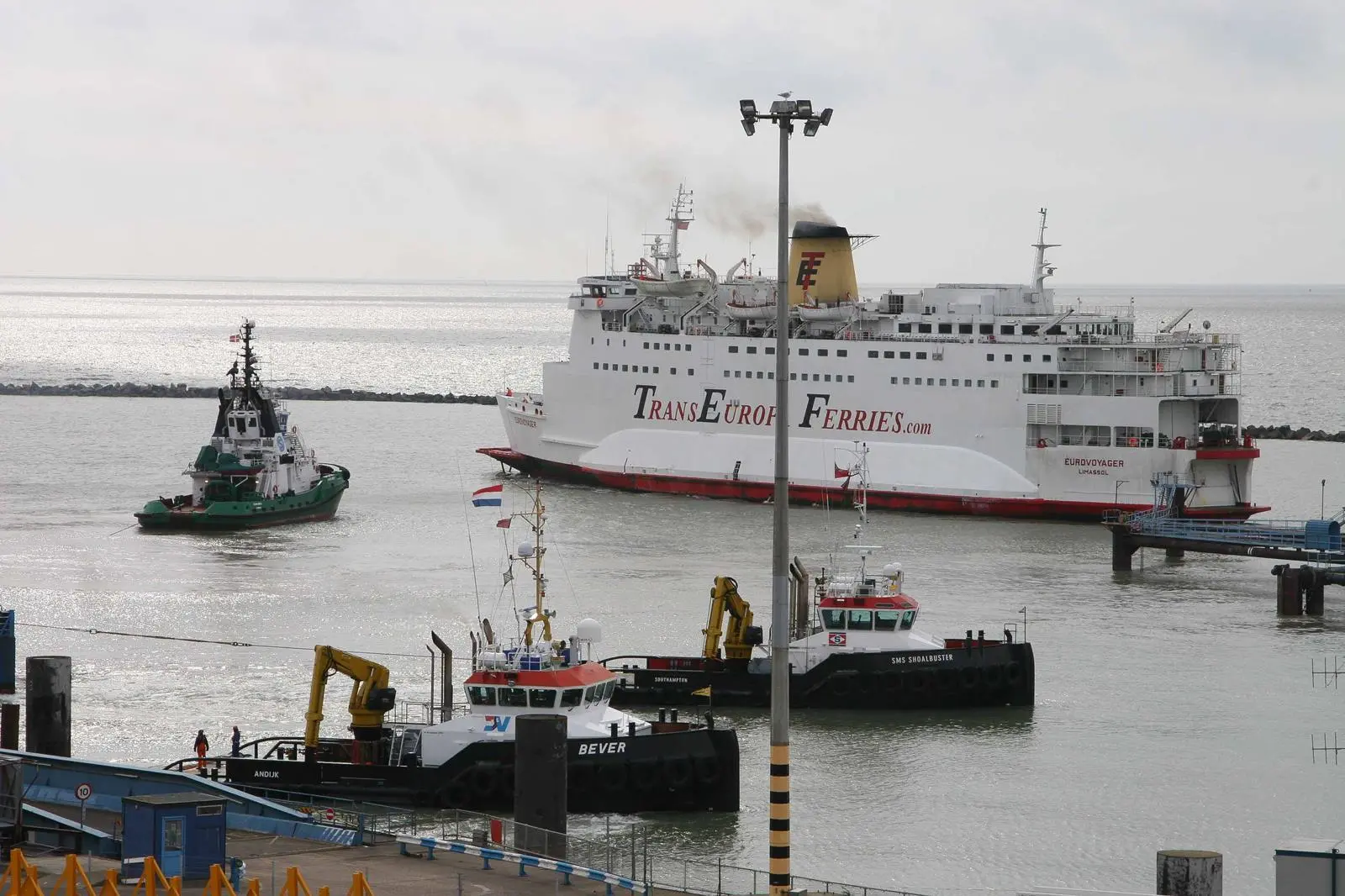
With estimates rising to £16.9 million (€19.5 million) for the cost to a new concession operator to get the port ready, and just £4.5 million coming from a ‘Levelling-up Fund’ grant, the shortfall was considered untenable and the Port of Ramsgate is now on the hunt for a long-term, sustainable future.
Another £7.6 million from the ‘Ramsgate Pathfinder Port Infrastructure fund’ was available but has to be spent by March 2026, and this will now be allocated to other projects.
“Identifying a long term sustainable future for Ramsgate Port remains a key objective for the council,” said TDC leader Councillor Rick Everitt, who will explore options including applying for a time extension for the remainder of the Pathfinder programme.
“Although the time scales associated with the Pathfinder Programme mean we can’t continue to progress the project within this funding stream, there remains a strong strategic case for the Port of Ramsgate where there has been, and continues to be, wider interest in the future potential.
“The challenge is that as a small district council we can’t deliver the infrastructure required, it’s too big for the council alone. If we don’t intervene then the opportunity will be lost not only for Thanet, but also for the country.
“There is no ‘do-nothing’ option and in my view this means we must now look at alternative uses for the site, alongside other potential ways of renewing the port infrastructure.”
Ramsgate harbour
The Royal Harbour with its origins in the 18th century is home to a marina, inshore fishing vessels, local wind farm support vessels and Border Force craft involved in asylum seeker small boat activity in the Dover Strait.
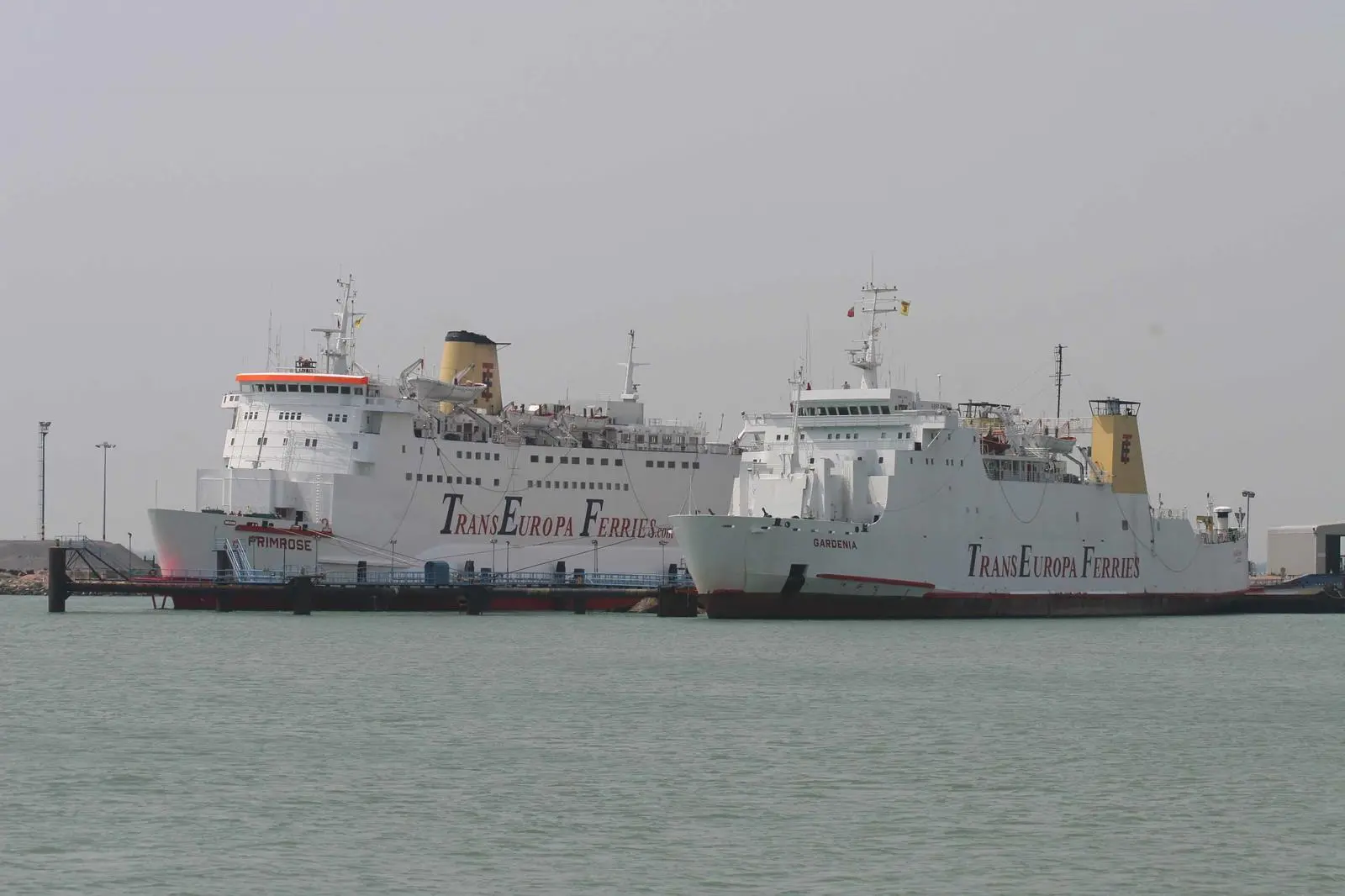
Adjacent to and to the south of the Royal Harbour, construction of Port of Ramsgate started in 1979, with three ro-ro berths, the port initially run by a private company.
After a period of rapid expansion, the ending of duty-free concessions in 1998 led to the two ferry operators, Sally Line and Ostende Line, pulling out and the port operator ceasing trading, whereafter TDC took over and ran the port directly.
A local aggregates company operates at Port of Ramsgate, including a berth for small general cargo vessels, and the area is also used as the shore base for several offshore wind farms and their support craft.
Finding a long-term future for the port following the demise of the cross-channel ferry services has occupied local press column inches for years, but each time hopes are raised that a potential operator is interested ends in disappointment and local residents have become increasingly sceptical about the port’s future.
The commercial viability of running services (of any description) from Ramsgate is often cited as a factor in interest failing to materialise.
Taking over operation of a port such as Ramsgate is one thing but attracting shippers and carriers to use it is another, and no doubt Port of Dover would have given considerable thought to this element.
While Dover has stepped back, its interest lends legitimacy to the belief that Ramsgate may still have untapped commercial value. For Thanet’s taxpayers – who have seen millions spent with little to show – the hope is that this latest chapter will finally lead to a positive outcome.
Related Articles
 INDUSTRY NEWS
 MARINE CIVILS
 MARINE CIVILS