![MaritimeJournal[Seawork]](https://www.maritimejournal.com/wp-content/uploads/2026/09/MaritimeJournalSeawork.svg)






Ports of Normandy leads funding demands for forgotten ports
Ports of Normandy officials led calls for more EU funding at a European Parliament conference last week, saying its harbours and ports needed full recognition in any future European ports strategy.
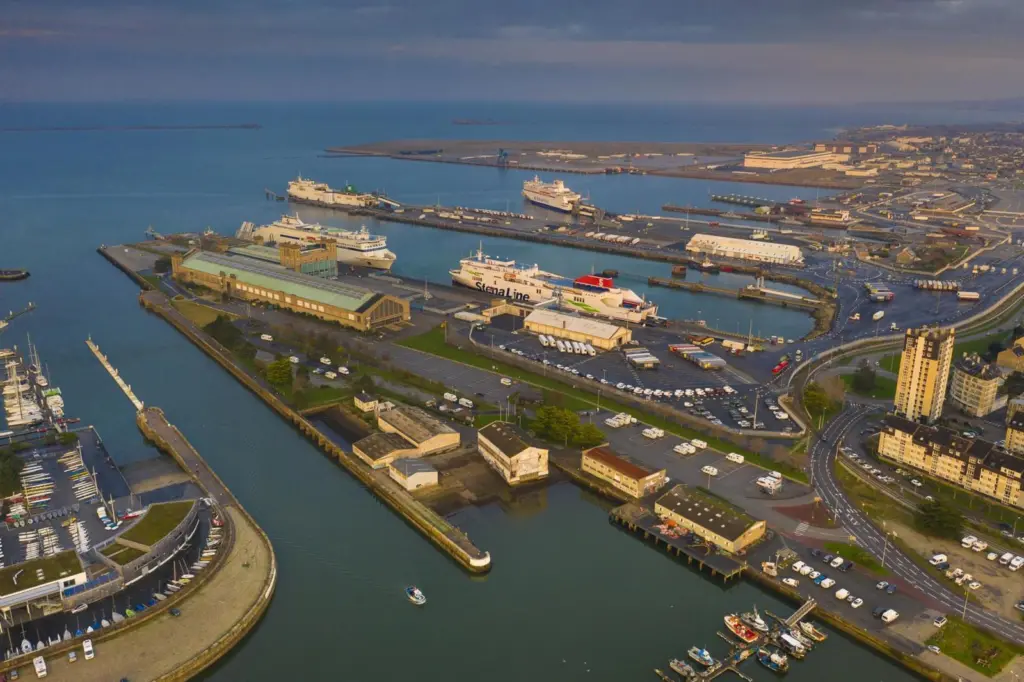
While mega ports like Rotterdam and Antwerp dominate the EU’s agenda, especially when it comes to decarbonisation policies, the smaller and far more numerous ports should not be overlooked, the port alliance said.
Indeed, the energy transition could not be achieved without them, the conference was told.
The Ports of Normandy is made up up 34 ports, the largest including Le Havre and Rouen. It also has 70 natural harbours, anchorages and marinas in the region.
“Our ports are at the heart of France’s industrial and energy revival,” said Hervé Morin, President of the Normandy Region. “They must be recognised as European infrastructures of the future, just like major logistics hubs.”
CINEA, the EU agency overseeing the Connecting Europe Facility (CEF), said that although €3.5 billion had already been spent in port projects since 2014, only one in three applications from regional ports was accepted.
The CEF is the European Union’s main funding instrument for building and improving cross-border infrastructure — essentially the EU’s way of financing projects that connect member states in transport, energy and digital networks.
“Regional ports, as planning and added value creation tools on the territories, demonstrate their strategic value every day,” said Philippe Deiss, general director of Ports de Normandie. “They must be fully integrated into the priorities of the next European budget. The energy transition will not happen without them.”
From 2030, all ports that accommodate ocean-going container ships and passenger vessels must have shore power installed. By 2035, the ships themselves at berth must connect to shore-side electricity.
Related Articles
 INDUSTRY NEWS
 MARINE CIVILS
 MARINE CIVILS