![MaritimeJournal[Seawork]](https://www.maritimejournal.com/wp-content/uploads/2026/09/MaritimeJournalSeawork.svg)


Shore power uptake will need stick not carrot – DNV
A new white paper from maritime classification society DNV has revealed startlingly low global uptake of shore power, despite years of industry optimism about its potential.
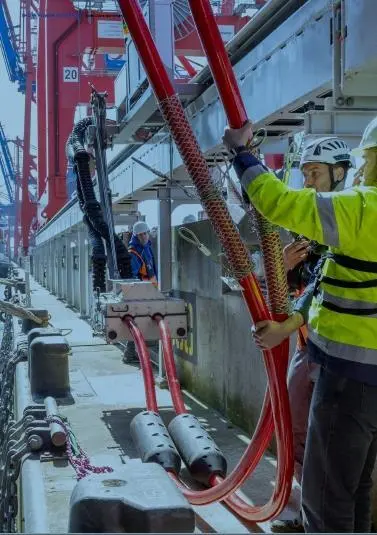
Despite mounting policy pressure, looming regulations and inevitable penalties, the white paper – Shore power in shipping: Technology, regulation and implementation – says just 4% of the world fleet is equipped with high-voltage shore power connections and just 3% of ports globally have shore power infrastructure.
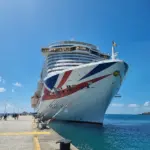
Even among sectors expected to lead the transition, uptake remains uneven. Cruise ships show the highest level of readiness, with 29% equipped, followed by container vessels at 20%. By contrast, dry bulk stands at 7%, while tankers lag at just 1%.
Citing Clarkson’s Research, the white paper says that of the world’s fleet of around 116,000 vessels, less than 4% were registered with shore power connections as of April this year.
For an industry under growing pressure to reduce emissions at berth, the disconnect between promise and implementation raises an obvious question: if shore power is widely regarded as a practical solution, why has adoption moved so slowly?
The paradox: high promise, low adoption
The argument for shore power is a good one: ports benefit from lower local emissions and reduced noise, shipowners gain fuel savings, and regulators see electrification at berth as a green win.
DNV estimates that shore power could reduce global fuel demand from ships above 5,000 gross tonnes by around 3.5% a year, particularly pronounced in sectors such as cruise, where vessels spend long periods in port with high hotel loads.
Cruise ships consume roughly 9% of their fuel while berthed, compared with approximately 2–4% for most cargo segments.
Yet deployment is highly fragmented.
Part of the challenge lies in geography, the paper says. Shore power infrastructure is concentrated largely in Europe, China and the US, with meaningful availability particularly clustered around regulatory hotspots.
Even there, provision is patchy. Within the EU’s core TEN-T port network, the bloc’s priority transport infrastructure system, only around 16% of ports currently provide shore power, according to DNV’s analysis.
The divide also reflects practical and technical realities between ship segments. Container and passenger vessels have benefited from relatively standardised approaches and predictable port call patterns, making investments easier to justify.
Tankers, by contrast, face unresolved questions around standardisation, especially concerning where onboard shore connections should be located and how systems operate safely around hazardous cargoes.
One result is that ports are hesitating to build infrastructure without guaranteed vessel demand, while shipowners delay retrofits until ports can reliably offer compatible systems.
Stick rather than carrot
The stick may be the quickest way to see shore power adoption gaining ground.
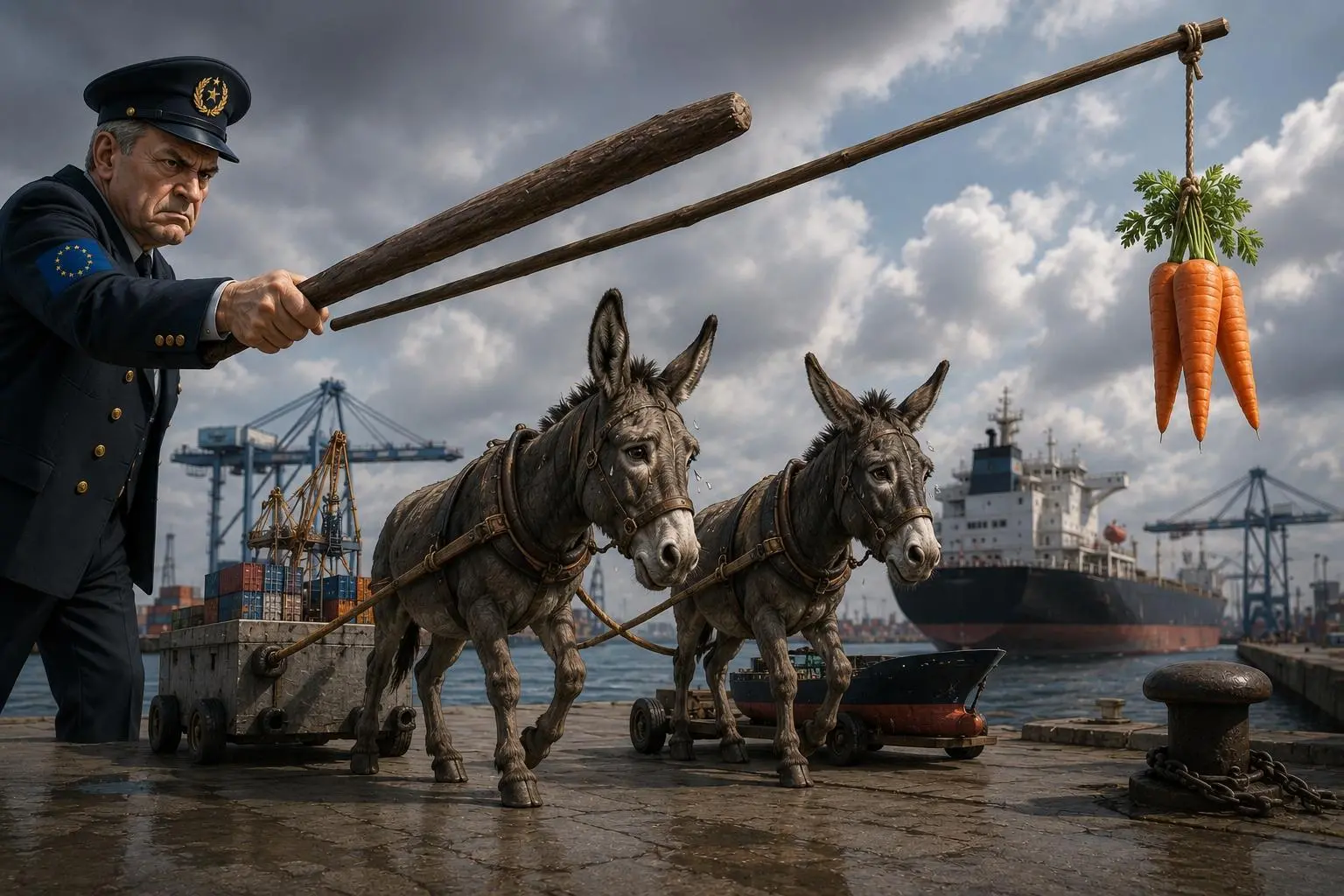
DNV identifies the European Union as the single biggest catalyst for change through a combination of FuelEU Maritime, the EU Emissions Trading System (EU ETS) and the Alternative Fuels Infrastructure Regulation (AFIR). As a whole, these bodies effectively regulate both ships and ports.
Non-compliance will not be cheap. FuelEU Maritime imposes penalties of €1.50 per kilowatt hour for non-compliant energy use, and by 2030 qualifying ports must be capable of supplying shore power for at least 90% of port calls from containerships and passenger ships over 5,000GT.
DNV’s modelling shows that for a 15,000TEU containership operating on Asia-Europe trades, retrofitting shore power at an estimated cost of €1 million could cut compliance-related costs by nearly 80% between 2026 and 2040 compared with simply paying penalties and emissions costs: DNV calculates that cumulative expenses could drop from around €26 million to €5.5 million.
Beyond avoiding penalties, shore power increasingly functions as a compliance tool. Under the EU ETS, electricity used at berth is effectively treated as zero-emission. Shore power can also help improve compliance with broader greenhouse gas intensity requirements and operational carbon metrics, the paper says.
Europe is not acting alone. China has strengthened its own shore power rules, requiring technically capable vessels to connect in many ports after specified berth times, while California continues to expand some of the world’s strictest at-berth emissions rules. The UK ETS, launching for domestic maritime transport in July 2026, adds another incentive for electrification at UK ports.
What was once framed primarily as an environmental measure is increasingly becoming a licence-to-operate rule.
What it will take to scale
Even with regulatory momentum building, DNV’s paper says that large-scale deployment is far from guaranteed.
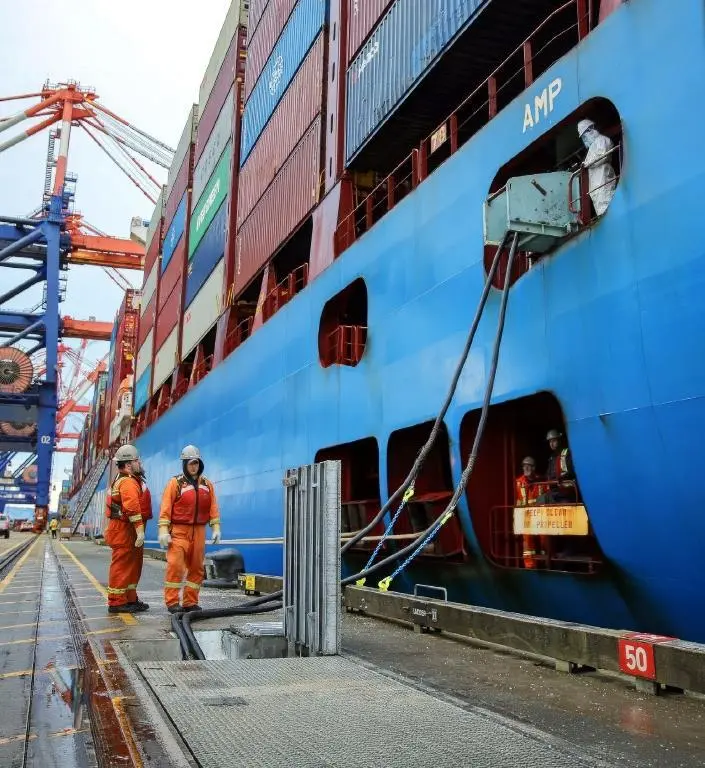
The biggest barrier remains infrastructure. Shore power systems demand substantial upfront investment from ports, including electrical upgrades, grid capacity, transformers, cable-handling systems and berth-specific installation work. In some regions, grid constraints and permitting delays add further complications.
For shipowners, the economics are equally uncertain. Electricity pricing varies widely by port, use rates remain difficult to predict, and technical compatibility issues continue to complicate investment decisions. Some operators remain wary of retrofitting systems if vessels trade globally but encounter shore power only intermittently.
This reinforces what DNV describes as the sector’s enduring chicken-and-egg problem: ports will not invest without confidence that vessels will connect, while shipowners will not retrofit without dependable infrastructure and predictable costs.
DNV suggests coordinated incentives across the value chain, including public co-funding, long-term agreements between ports and shipping lines, aligned electricity pricing and flexible commercial models that reduce risk on both sides.
Standardisation will also matter. While international frameworks such as the IEC/IEEE 80005 standards have helped align high-voltage systems for container and passenger vessels, more work remains in areas such as tanker compatibility and hazardous-area operations.
Mobile or containerised shore power units may also play a larger role in improving flexibility at ports where fixed infrastructure is difficult or expensive to deploy.
Regulation is strengthening, costs of non-compliance are rising and adoption in leading segments is accelerating.
But for now, shore power remains a paradox.
Download the full white paper here.
Related Articles
 INDUSTRY NEWS
 MARINE CIVILS
 MARINE CIVILS