![MaritimeJournal[Seawork]](https://www.maritimejournal.com/wp-content/uploads/2026/09/MaritimeJournalSeawork.svg)



The Port of Dover: A model for the ports industry
Arup’s 2050 Masterplan Framework reimagines the physical fabric of the Port of Dover UK, writes Ana Ulanovsky, global maritime skills leader, Arup.

As an island, the UK has relied on its ports for centuries to connect it to Europe and the wider world. With around 120 commercial ports in the UK, it has the second largest ports industry in Europe, handling 500 million tonnes of freight each year and 60 million passengers.
The Port of Dover is a key example. Once described as the ‘the Haven between the Hills’ by Julius Caesar, this longstanding port handles £144 billion (€167 billion) of trade per year and single-handedly facilitates 33% of commerce between the UK and EU. As the UK’s ‘Gateway to Europe’, it continues to evolve to meet the demands of a changing world.
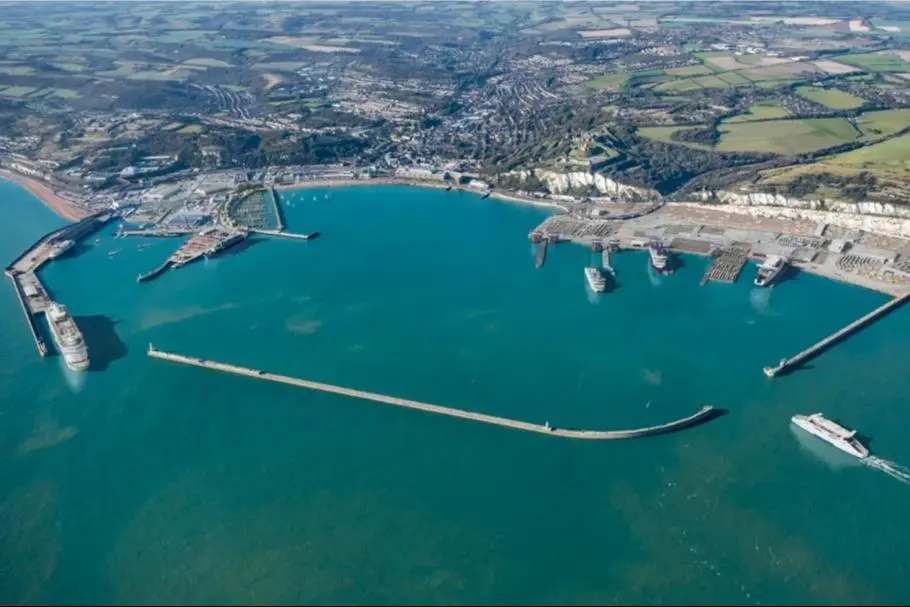
Arup’s 2050 Masterplan Framework reimagines the physical fabric of the port – from modernising terminals and improving the flow of freight, to integrating renewable energy and revitalising the waterfront.
This framework is applicable to many ports across the UK and wider, providing an example of how to provide much-needed upgrades and lay the groundwork for the future service of ports.
The certainty of uncertainty
The world is rapidly changing and predicting and planning for the future is becoming increasingly difficult.
Both Brexit and the pandemic had seismic impacts, of which large ripples are still being felt today at Dover. Meanwhile, this year’s tariff war is a prescient reminder that steady trade patterns aren’t always guaranteed. All of which emphasises that the best possible preparation organisations can do is ensure they have a high level of adaptability.
With that in mind, any technical upgrades for ports must be done with an understanding of potential future disruptors and economic uncertainties. Influencing factors, such as carbon pricing to climate policy, and geopolitical shifts to freight competition, must be analysed thoroughly.
Through an evidence-based approach to defining future shocks and stresses, workshops, site analysis, stakeholder engagement and the involvement of economists, future plans can involve not a single fixed design, but a flexible framework with multiple physical infrastructure options and elasticity to adapt to different scenarios.
Physical upgrades for the future
For the Port of Dover specifically, this extensive thought process was used for all areas of the port. For the Eastern Docks, this focused on improved traffic flows, optimising daily operations and making the most of the existing land. For example, cars, lorries and other road vehicles board ferries at the Eastern Docks, so with new, expanded and upgraded ferry berths, boarding will be quicker and easier.
Some of the proposed plans are already under way. With the infilling of Granville Dock with sand, more land has been created to handle queuing traffic, while the expansion of vehicle holding areas has eased the strain of high-demand periods, such as the summer holidays. It also provides the flexibility needed to respond to unpredictable flashpoints. This emphasis prevents traffic overflowing into the nearby town of Dover.
At the Western Docks, the focus was on improving tourism and trade. The implementation of an expanded flexible cargo terminal, for example, will increase the capacity to support the growing demand of freight, including for unaccompanied cargo. These docks will also feature larger cruise terminal infrastructure, increasing the size of the ships Dover can handle, further increasing trade capacity and the potential for more tourists.
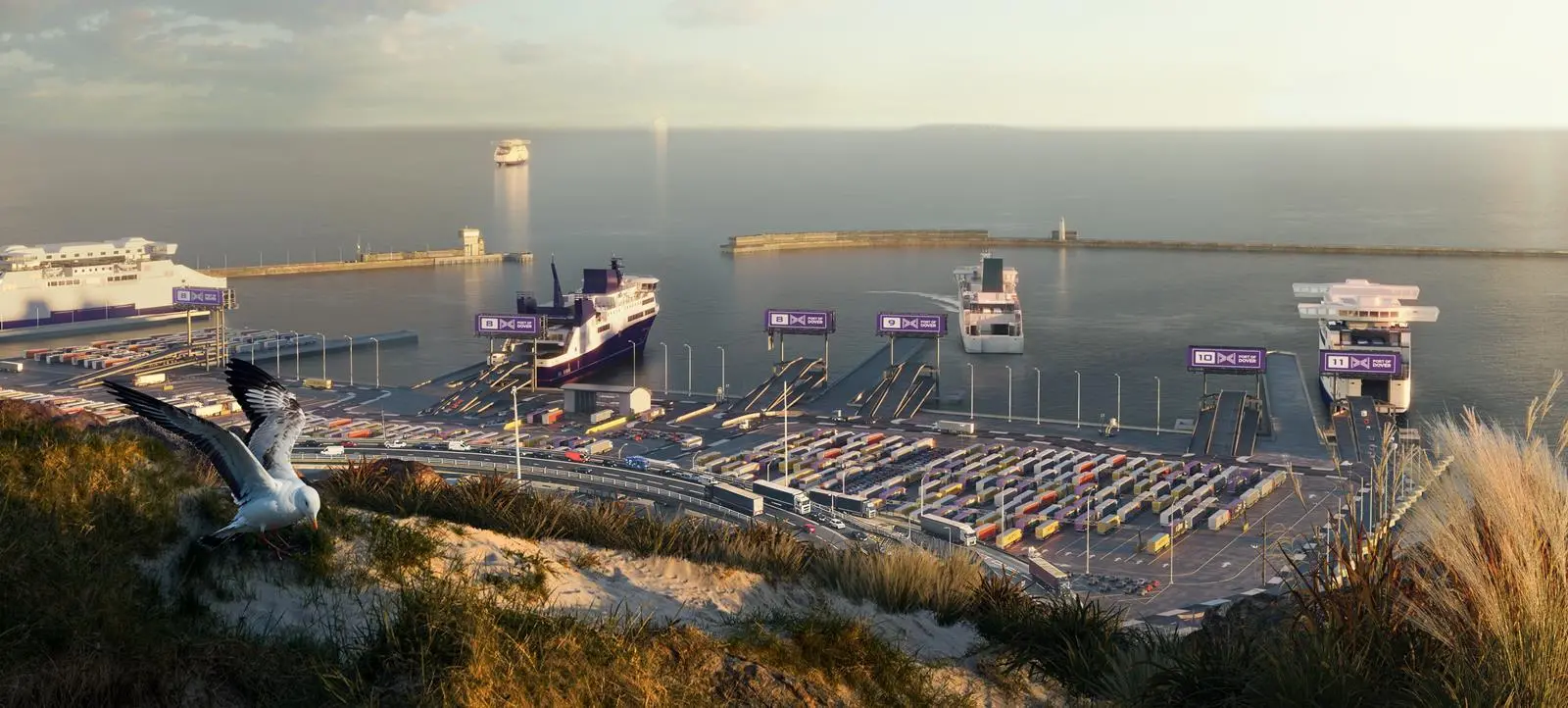
The Waterfront is also not without upgrades. Space will be created for entertainment, as well as new offices, with green walkways and play areas, creating an interface for local residents and the port. A new, mixed-use commercial quarter is also proposed, drawing in new restaurants and cafés for tourists, alongside offices for maritime-related businesses, to build a maritime innovation hub.
Digitalisation of Dover
However, while infrastructure changes are important, these must also be partnered with digital technology, to fit with an increasingly digital world. By creating a digitalisation strategy, operators ensure that ports are adaptable to evolving technologies and suitable for upgrades. The role of data-driven solutions must also not be underestimated, and will be the key to transforming our ports.
The vision for the ports industry is to raise its standards to match those of the aviation industry. Today, flights can be tracked to the minute, and it’s easy for passengers and businesses to stay up to date with real-time flight tracking and departure gates through electronic billboards or mobile apps.
For ports to reach these high standards, real-time traffic data would need to be shared with customers, helping alleviate traffic, while allowing tourists and businesses to plan their journeys more efficiently. Ports should also explore seamless Customs controls to lower congestion and shorten waiting times.
A responsibility to design for the future
While operators will primarily design ports to improve the experience for tourism and freight, it must not be done with tunnel vision. The 2050 Masterplan engaged the Dover Harbour Board, and importantly, the Port User Group and the Port Community Forum were consulted to measure its impact on the wider community. This will ensure the port serves the surrounding area long into the future.
This plan is expected to boost annual trade by up to 20%, reaffirming it as a stalwart member of the UK economy. This rise in commercial activity is set to drive regional business expansion, creating new job opportunities for the local community.
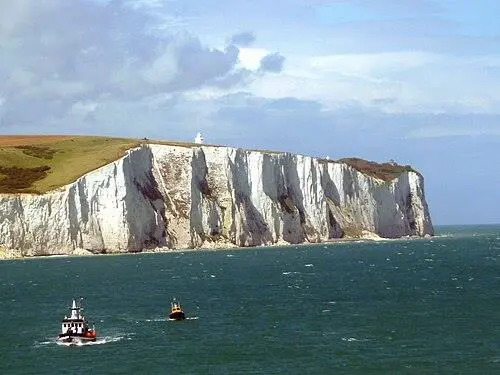
Further supporting the area’s economy, the upgraded port will enhance Dover’s appeal to tourists with the rejuvenated commercial quarter, drawing more to the magnificent sight of the White Cliffs of Dover.
One final stakeholder that ports must consider is nature. From the start, Dover’s plan was designed with sustainability at the heart. Strategies such as electrifying ferry operations, installing renewable energy sources on-site, and making use of existing infrastructure wherever possible were all included. These are innovations the port industry should be looking towards.
Dover’s approach offers one possible blueprint for how ports might evolve to meet the demands of the future: balancing commercial growth, community benefit and environmental responsibility.
As the sector continues to navigate a period of rapid change, lessons from this masterplan may prove useful in shaping ports that are not only more efficient and welcoming, but also more sustainable and better integrated with the communities they serve.
Related Articles
 INDUSTRY NEWS
 MARINE CIVILS
 MARINE CIVILS