![MaritimeJournal[Seawork]](https://www.maritimejournal.com/wp-content/uploads/2026/09/MaritimeJournalSeawork.svg)



Autonomous technology aids safety
A new white paper outlines the contribution autonomous ship technology can make to improving maritime safety.
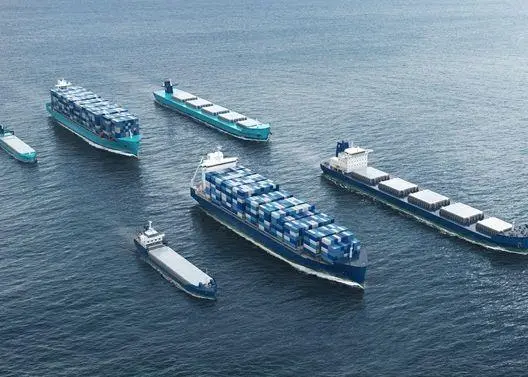
One Sea’s white paper examines the safety advances achieved by and expected from autonomous ship technology, with the aim of driving the consultative process forward towards a revised set of maritime regulations.
In his foreword, Capt. Eero Lehtovaara, chairman of One Sea, writes: “Not only can autonomous ships greatly contribute to increasing productivity, bolstering sustainability and improving working conditions at sea; direct and powerful contributions to enhancing maritime safety have also been identified.
“Technology advances however are dependent on regulatory frameworks. As a group of technology pioneers with some of the world’s most distinguished marine automation technology innovators and enables, One Sea has considerable knowledge and expertise to share as new rules and regulations are developed.”
Harmonised safety rules needed
The white paper considers today’s safety framework, cybersecurity, views from ship owners and operators, the consequences for labour and insurance, and the classification implications for varying levels of autonomy, before offering a proposal for next steps by the industry.
The need to develop harmonised international safety rules covering autonomous ships is now pressing, the paper goes on to argue. As a priority, One Sea seeks to engage regulators, insurers, representatives of maritime labour, training establishments, flag administrations and classification societies in the dialogue that to shape the future of autonomous shipping to the satisfaction of all.
Established in 2016, One Sea is an open ecosystem, led by DIMECC, that aims to lead the way towards an operating autonomous maritime ecosystem by 2025.
By Rebecca Jeffrey

Related Articles
 ACCESSORIES & EQUIPMENT
 INSURANCE, LEGAL & FINANCE
 EQUIPMENT