![MaritimeJournal[Seawork]](https://www.maritimejournal.com/wp-content/uploads/2026/09/MaritimeJournalSeawork.svg)






Dont get swamped by the data tide
A new, user friendly marine-information ‘ cruncher’ has just been launched onto the market, promising to make the tidal wave of data that maritime organisations are now expected to manage much simpler.
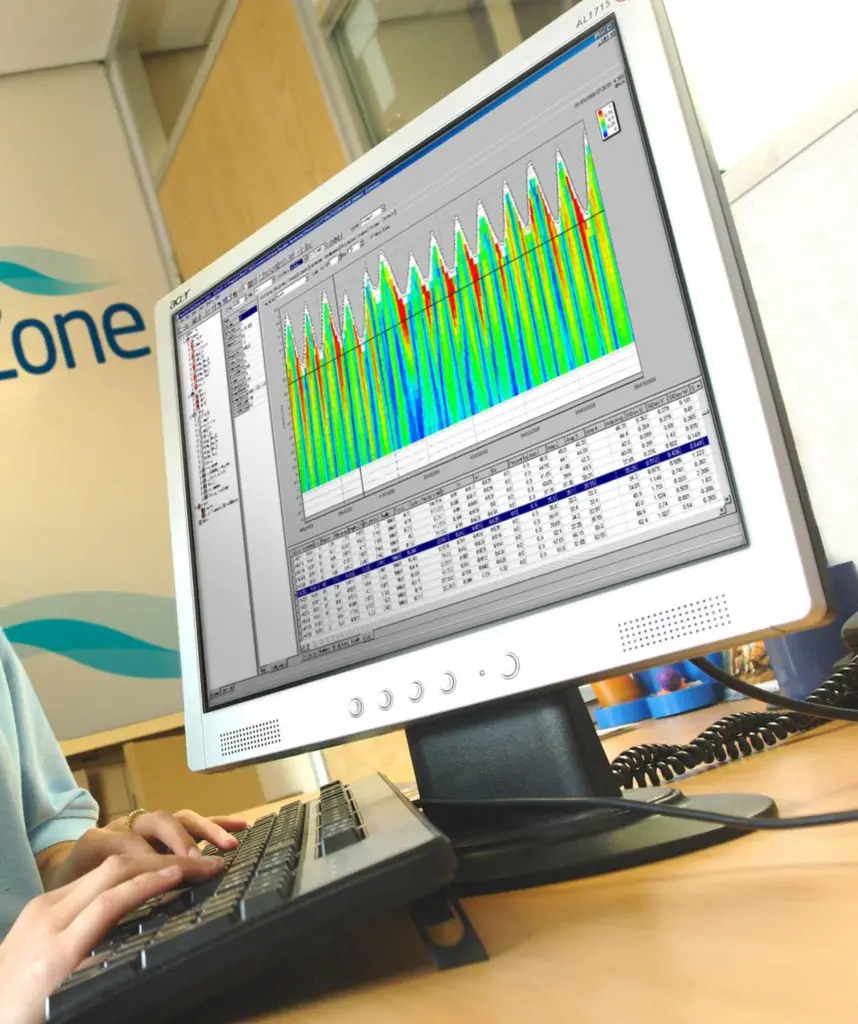
The system will permit import, processing and presentation of marine data from multiple sources and, most importantly, although it allows the information to be used in Geographic Information Systems (GIS), it is isn’t dependent on them and will work happily using Windows on a standard PC.
The new GeoTemporal software from SeaZone has been designed to enable maritime organisations to gain insights that just weren’t available a few years ago, as they are often buried inside collections of multi-disciplinary data such as tide, current and wave datasets, together with other oceanographic, hydrographic and meteorological information.
The requirement to manage the information has also grown proportionally, meaning that the ‘insights’ can be further swamped inside the mountain of data. The GeoTemporal software creates standard formatted data from these discrete information sources, something that only high end specialist software programs have previously done.
The product is aimed primarily at marine surveyors, scientists, researchers, engineers, data managers and consultants, allowing the management of a wide diversity of data that can then be disseminated or made further use of in other systems, such as 3D modelling.
Besides processing tidal datasets and other oceanographic information, GeoTemporal can also manage data from instruments such as Acoustic Doppler Current Profilers (ACDPs) and datasets from other modelling systems. The added flexibility allows users to quality control, analyse and present complex survey and environmental monitoring data and the software allows users to add custom tidal data and links to external databases.
The benefits of having a single environment for centralised storage means that reduced timescales are required for data processing, analysis and reporting. The resulting improved data checking and validation means that the users can have that much more confidence in what is put in front of them.
Related Articles
 INSURANCE, LEGAL & FINANCE
 EQUIPMENT
 EQUIPMENT