![MaritimeJournal[Seawork]](https://www.maritimejournal.com/wp-content/uploads/2026/09/MaritimeJournalSeawork.svg)






First Galileo signal successfully received
A major milestone in the Galileo Navigation Satellite System’s development programme has brought a European global satellite navigation system that much closer.
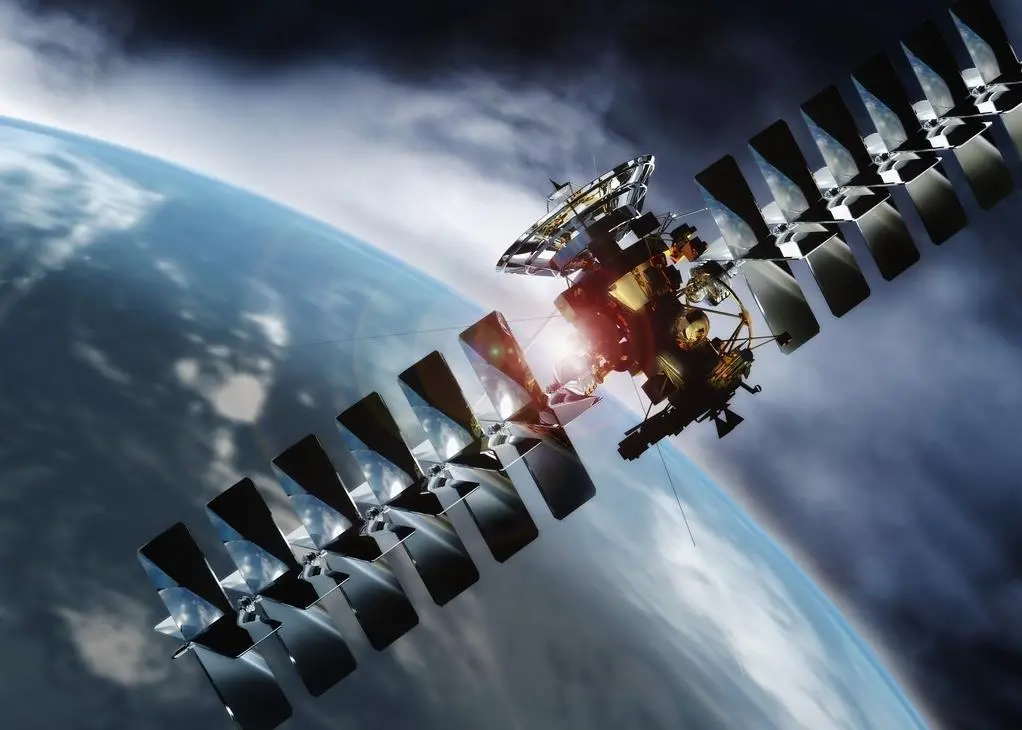
Following the launch of the first Galileo satellites in October 2011, the world’s first successful reception of the encrypted Galileo Public Regulated Service (PRS) signal was received on the evening of 14 February.
The signal was received on the Galileo PRS Test User Receiver (PRS-TUR) jointly developed under an ESA contract. For the reception test, the receiver was installed in the Galileo Control Centre in Fucino, Italy and operated by technical experts from Telespazio and the European Space Agency (ESA)
The project, handled by Septentrio and QinetiQ, working in close partnership with the ESA and industrial partners, builds on a number of previous major Septentrio/QinetiQ achievements, including the first ever laboratory demonstration of the PRS signal acquisition and tracking at QinetiQ (in Malvern, UK, 2006), the successful RF compatibility test between a Galileo payload and the PRS-TUR (Portsmouth, UK, 2010), the Galileo end-to-end system test including the Galileo Ground Mission Segment (GMS) and its key management facilities, satellite and PRS-TUR (which took place in Rome, Italy, 2011).
Peter Grognard, founder and CEO of Septentrio Satellite Navigation, said that this new step represented “a historic milestone for the Galileo programme”.
Galileo, one of Europe’s largest high-technology cooperative infrastructure programmes, will provide Europe with a sovereign global satellite navigation system ensuring the availability of reliable navigation services for a wide range of different users.
The Galileo system will deliver a number of navigation services including an open service, a commercial service and the Public Regulated Service (PRS). The PRS is an encrypted service for Government authorised users who have an enhanced security need (such as police, security services etc). For further information, visit the ESA website (www.esa.int) and the European GNSS Agency (GSA) website (www.gsa.europa.eu).

Related Articles
 VESSELS
 MARINE CONSTRUCTION
 VESSELS