![MaritimeJournal[Seawork]](https://www.maritimejournal.com/wp-content/uploads/2026/09/MaritimeJournalSeawork.svg)






Banking on renewables for jobs and growth
The UK Port of Tyne is stepping up the pace in the race to provide clean, green renewable fuels for the future with £180m investment plans for its south bank estate in South Tyneside.
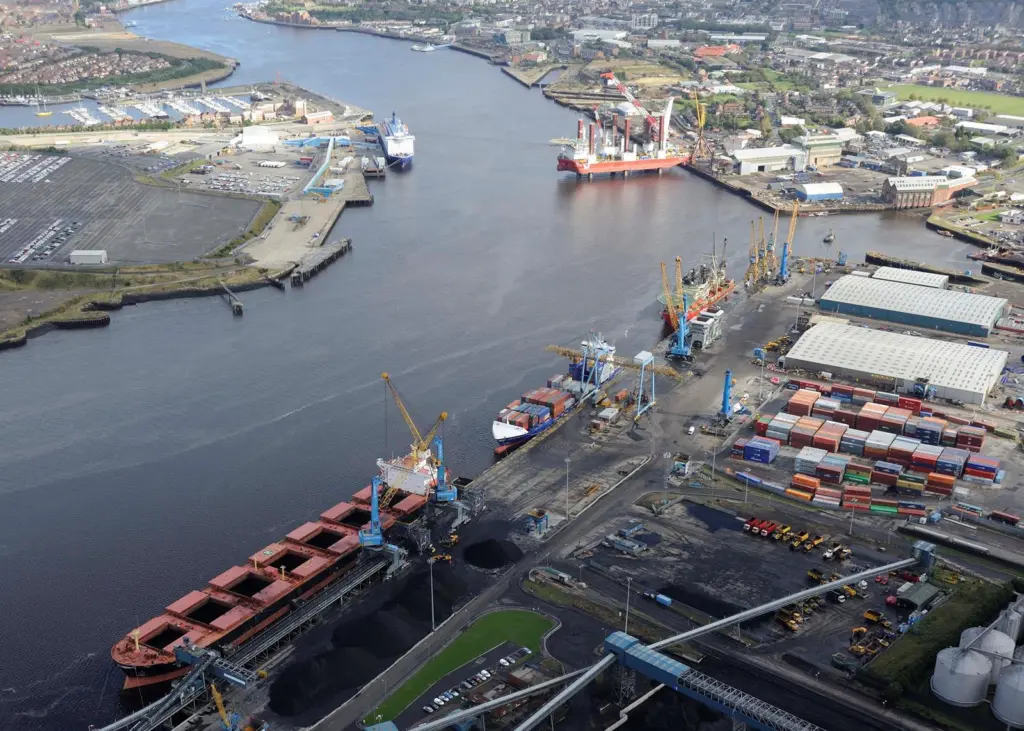
On the back of several years of record growth, the Port has focussed its business strategy for further growth on renewable energy, ensuring thousands of jobs and helping the UK to meet its target of cutting carbon emissions by at least 15% by 2020. With its asset base and geographical location, the Port is well placed to meet the needs of the offshore wind industry.
The proposals announced last week call for the development of infrastructure and new facilities for handling, storage and transportation of imports of wood pellet, an important source of bio-energy for power stations, and to extend its main Riverside Quay at Tyne Dock, bringing jobs and economic benefit to the North East region.
The Port is already the largest handler of wood pellet in Europe and the plans are to enhance and expand its existing wood pellet storage facilities and associated quay and rail infrastructure. These developments, if delivered in full, will create 900 jobs in construction and a further 300 full time operational jobs, supporting an additional 2,000 jobs. This would take the Port’s impact on the regional economy to well over £500m in Gross Value Added each year, and increase the number of jobs supported by 20% to a total of 12,000 jobs.
The Port is currently talking to existing and new customers about putting the new facilities in place. The process to find an investment partner to assist with funding is well underway and discussions are being held with a number of interested parties.
The developments represent the biggest investment ever made by the Port and follow major investments already made in 2012. These included the strategic land acquisitions of the former McNulty site in South Tyneside and Morston Quays in North Tyneside both of which increased the Port’s land holdings by almost 10%, to 624 acres, and available berths by 30%, providing in total over 3km of berth space on both banks of the river.
Related Articles
 OTHER NEWS
 FEATURES & VIDEOS
 MARINE CIVILS