![MaritimeJournal[Seawork]](https://www.maritimejournal.com/wp-content/uploads/2026/09/MaritimeJournalSeawork.svg)





EMEC to study reliability of subsea cabling
The European Marine Energy Centre (EMEC) Ltd, based in Orkney, is to share learning on the performance of subsea cabling in high energy environments to support the development of commercial wave and tidal energy sites.
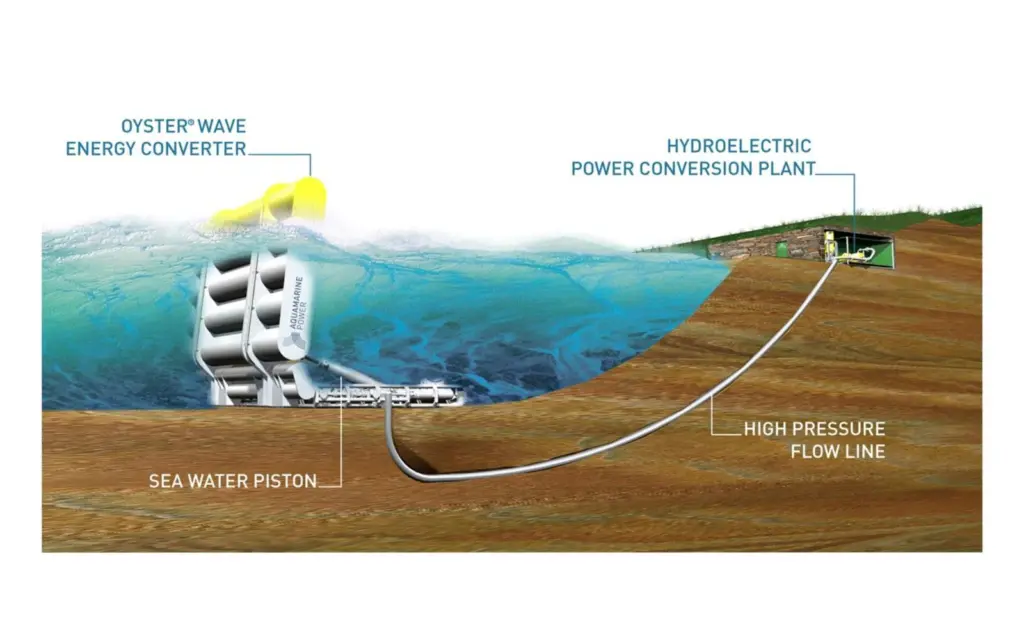
Funded by The Crown Estate, the project will see EMEC and Engineering Technology Applications Ltd (ETA) carry out a review of existing data to assess the reliability of subsea cables installed in the harsh wave and tidal conditions at EMEC’s test sites at Billia Croo, on the west coast of Orkney, and the Fall of Warness, off the northern island of Eday.
To date there has been little information published about how subsea cables survive and perform in high energy marine environments, and as commercial wave and tidal sites around the UK enter the initial planning phases, information on how subsea cables may perform in areas such as the Pentland Firth and Orkney waters (PFOW) lease areas will be vital to project developers and investors to progress successfully.
With its first cables installed over 10 years ago, EMEC has collected considerable amounts of data. Numerous routine remotely operated vehicle (ROV) surveys have been undertaken to examine structural integrity alongside comprehensive electrical cable testing. The aim of the project is to collate and review this information and provide a report on the resulting performance of the cables.
The report will cover cable armouring, marine growth, anthropogenic interactions, and cable movements, as well as the electrical and communications performance of the cable, and will take various factors into consideration including seabed type, current speed, wave loadings, cable usage, cable type, and installation methods.
Mike Nichols, director at ETA Ltd said: “To date we have routinely avoided laying cables in high tidal current areas. The availability of cable performance data is therefore very limited. With the advent of offshore marine current turbines we have no option but to route them through these areas and this study gives us a vital opportunity to start building a valid database.”
The report will be published later in the year, and made available via the Wave and Tidal Knowledge Network (www.waveandtidalknowledgenetwork.com).
Related Articles
 OTHER NEWS
 FEATURES & VIDEOS
 MARINE CIVILS