![MaritimeJournal[Seawork]](https://www.maritimejournal.com/wp-content/uploads/2026/09/MaritimeJournalSeawork.svg)




FaBTest results
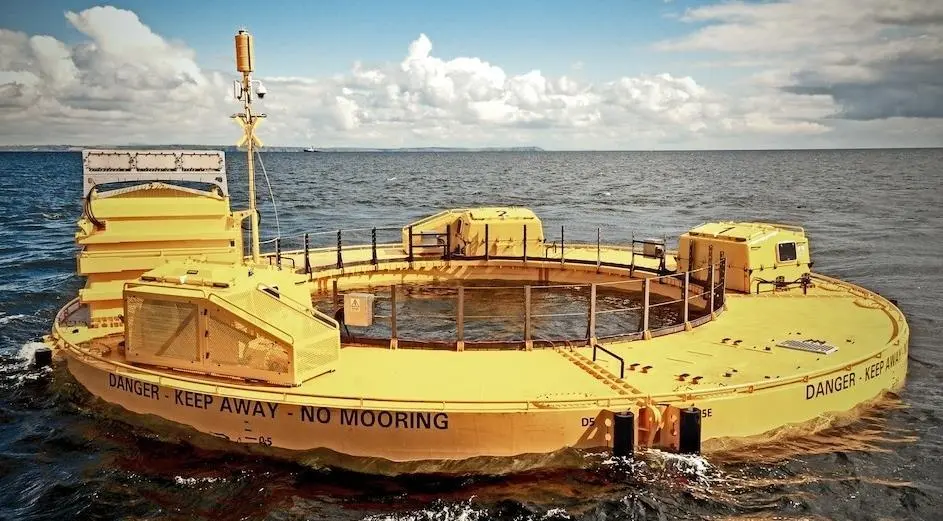
A cutting-edge wave energy converter device trialled in Falmouth, UK is being deployed to its first commercial site. The Fred Olsen Bolt Lifesaver, the first device tested at the FaBTest site, underwent trials for more than two years and will be shortly arriving in its new location in Hawaii.
The ground breaking FaBTest project, which is the only wave energy testing site of its kind in England, is a two square kilometer area in Falmouth Bay situated 7.5km from the Dock’s entrance.
The scheme was initiated by Falmouth Harbour Commissioners and the operational support of the site, as well as on-going monitoring and world leading research, is provided by the Renewable Energy Group from the University of Exeter (based at the Penryn campus), and made possible in part thanks to an investment from the Cornwall and Isles of Scilly Local Enterprise Partnership (LEP) supported by the Government’s Regional Growth Fund.
The FaBTest ‘nursery’ facility enables up to three devices to be deployed and tested concurrently. Wave energy device developers can test components, concepts or full-scale devices in a moderate wave climate on the Falmouth site. The area, which is leased from Crown Estates, has a Marine Licence for testing device deployments on site subject to permits issued by Falmouth Harbour Commissioners.
The Fred Olsen Bolt Lifesaver device has been leased to Sound and Sea Technologies and will be demonstrating the generation of wave energy in the US Navy’s Wave Energy Test Centre at Kaneohe Bay, Oahu in the North Pacific Ocean.
Alex Whatley, FaBTest Operations Manager, based at Falmouth Harbour Commissioners, said: “It’s a really exciting time for the FaBTest project. Having been based in Falmouth, undergoing a period of initial testing, we’re pleased to see the Fred Olsen device head off on the next chapter of its development towards commercial operation.
“Talks are currently underway with a number of international marine companies about the prospect of testing subsequent devices on the FaBTest site and we expect at least one new marine energy device on site this year.”
Dr Alan Taylor, Wave Project Representative, Fred Olsen, said: “The test site at FaBTest has presented the device with a wide range of operating conditions – including some significant storm events – that have helped to prove the robustness of the design and construction and this helped us understand the real world operating performance.
“When coupled with the proximity of the site to technical support facilities at Falmouth and the backing of the Harbour Commissioners to manage the regulatory interfaces, this has been a winning formula for the project. This experience has enabled us to demonstrate this to new markets and hence set the scope for the next stages of the development of the technology.”
By Jake Frith