![MaritimeJournal[Seawork]](https://www.maritimejournal.com/wp-content/uploads/2026/09/MaritimeJournalSeawork.svg)



Offshore wind isn’t without risks
The rise of offshore wind energy is accompanied by risks, an industry analyst has warned.
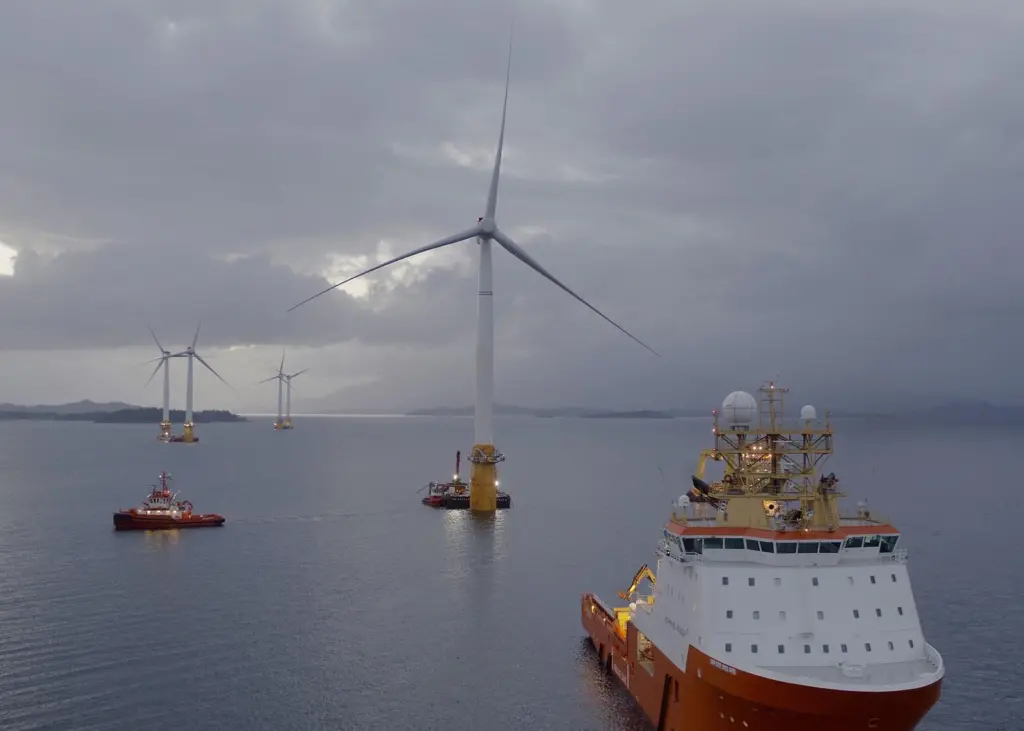
Jonny Allen, head of offshore wind at GCube Underwriting, said that wind energy has created demand for maritime services and boosted supply chain development, but the risk landscape has been changed significantly by factors such as steeply falling costs, increasing turbine sizes, and the development of floating technology.
He stressed: “The priority for the offshore wind sector – including developers, vessel operators, investors and insurers – must now be to ensure sustainable growth, allowing for innovation without compromising on quality or efficiency.
“In this high-risk environment, all involved have a responsibility to collaborate and share knowledge.”
Lower prices
Mr Allen explained lower prices mean developers have to make challenging engineering and design decisions under ever narrower margins, while O&M suppliers must continue to deliver a high-quality product during boom periods, plus stand behind warranties as delivery deadlines become tighter.
Turbines with capacities reaching over 10MW offer significant cost efficiencies, but they also increase risk. The ability of one turbine to impact project finances – should it fail – is much more significant in a farm of ten 10MW turbines, than of twenty 5MW turbines, stressed Mr Allen.
The first utility-scale floating project, Hywind, off the north coast of Scotland, uses “fledgling” technology which “inevitably introduces risks,” he said
Design inconsistency
For insurers, a major challenge in floating wind is the current lack of design consistency. A lack of common standards for floating foundations or mooring technologies mean insurers must apply fixed foundation rationale to floating projects.
Mr Allen added that newer offshore wind markets in Asia may also lack the stable and experienced supply chain required to handle the unique demands of floating wind.
By Rebecca Jeffrey

Related Articles
 OFFSHORE RENEWABLES
 OFFSHORE RENEWABLES
 ENVIRONMENT