![MaritimeJournal[Seawork]](https://www.maritimejournal.com/wp-content/uploads/2026/09/MaritimeJournalSeawork.svg)




Renewables feature at Offshore Energy 2012
Offshore Energy 2012, claiming to be the fastest growing offshore oil & gas and energy event in Europe, returns to Amsterdam’s RAI exhibition centre on 23 and 24 October.
The 2012 edition will have 12,000 m2 of exhibition space and expects to welcome some 400 exhibitors and over 6,500 offshore professionals from over 30 nationalities. Some 600 delegates are expected to attend the OE2012 conference, which runs parallel to the Offshore Energy exhibition.
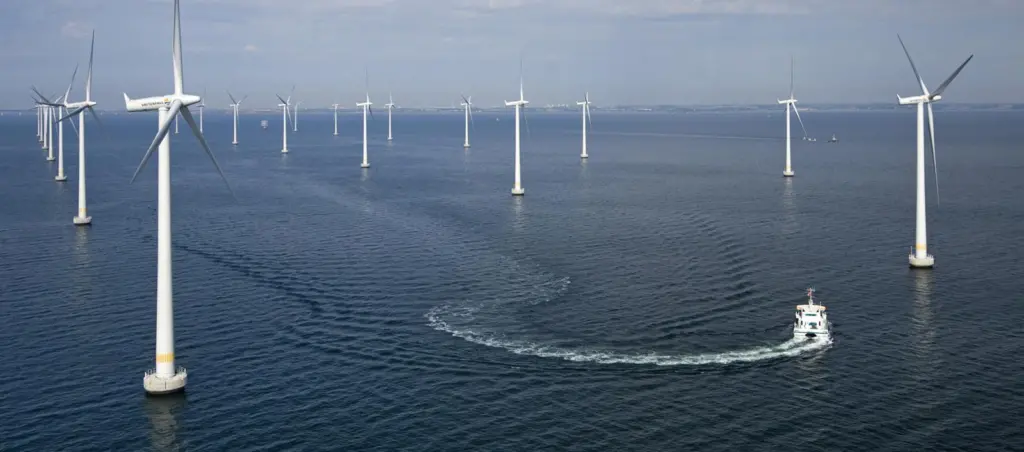
As offshore wind activity has become an industry in its own right and now delivers an ever increasing share global power generation, the organizers of Offshore Energy are seeing to it that the 2012 edition of the event will reflect the sector’s expanding role.
The recent report by the European Wind Energy Association (EWEA), titled ‘Green Growth’, states that the wind energy industry is a driver for economic growth, contributing €32.43bn to the EU’s GDP in 2010. Some €8.8bn worth of products and services were exported by the European wind industry and the tax payments from companies in the wind energy sector amounted to €3.59bn in 2010. In 2010 the avoided fuel cost (for coal, oil, gas, biomass, waste) from wind power production was €5.71bn and employment in the wind energy sector amounts to 238,154 jobs.
Offshore Energy 2012 will thus feature a clearly marked Offshore Wind Zone exclusive to offshore wind supply chain companies. Companies serving multiple offshore industries which wish to highlight their activities in offshore wind can participate in the Offshore Wind Route, which will wander through the entire exhibition floor.
Also, the two day conference programme will feature several sessions on strategies for successful offshore wind farm development whilst also addressing the challenges of an offshore grid and developments in wave & tidal energy.
One of the confirmed speakers is John Best, head of sustainable energy at James Fisher and Sons plc. He will speak in the session on future offshore wind turbine foundation needs. His company has ample experience working for major wind farm developers. As the next generation of offshore wind farms will lie further offshore, new technology is needed to access waters between 60m and 100m deep. This depth is too great for turbines fixed to the seabed, but where wind speeds are consistently higher. It is hoped that developing the technology will increase global potential for offshore wind power, particularly after 2020, by which time many shallower sites will have been developed.
Classification societies Bureau Veritas and Det Norske Veritas as well as academic institutions such as Delft University of Technology also contribute to Offshore Energy’s conference program.
Related Articles
 OTHER NEWS
 FEATURES & VIDEOS
 MARINE CIVILS