![MaritimeJournal[Seawork]](https://www.maritimejournal.com/wp-content/uploads/2026/09/MaritimeJournalSeawork.svg)






UK Renewable energy roadmap updated
The UK Department of Energy & Climate Change (DECC) has updated its Renewable Energy Roadmap with the UK on track to meet its European target of sourcing 15% of all energy from renewable sources by 2020.
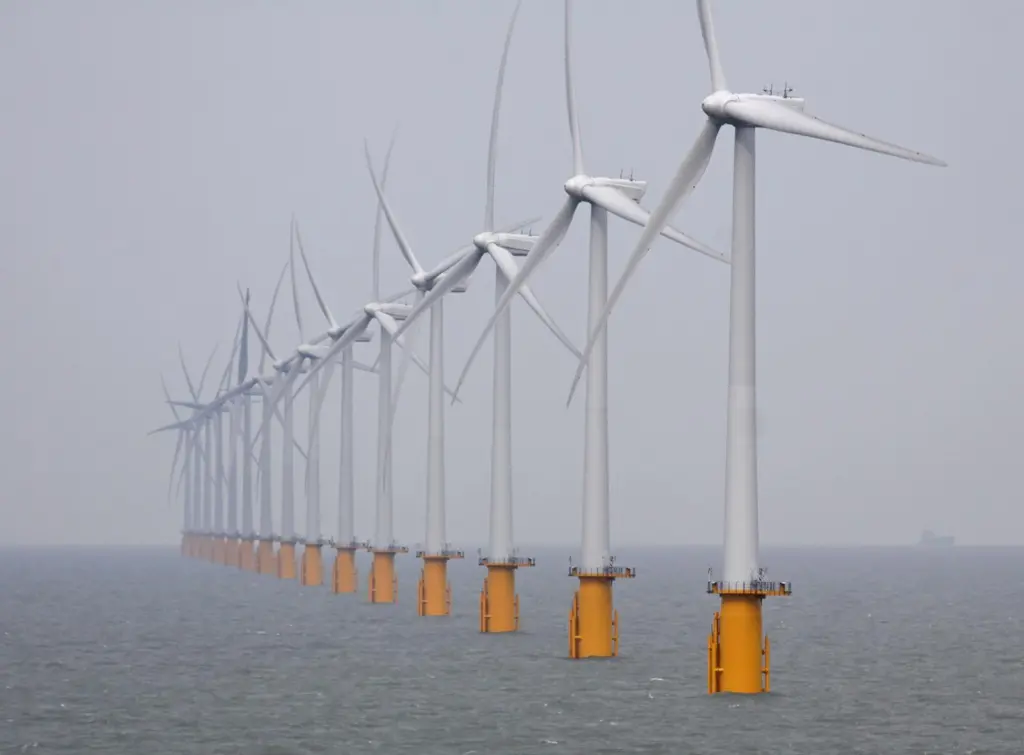
The Renewable Energy Roadmap sets out the UK’s action plan to accelerate deployment and use of renewable energy (all forms) to achieve the 2020 target, including driving down the cost. This update takes into account progress with renewable energy rollout between July 2011 and July 2012.
Headline features include a 27% increase in overall renewable energy generated, a 40% increase in the same period in renewable energy capacity (10% of all electricity generation from renewable) and a 60% increase in offshore wind capacity to 2.5GW. An update was understandably due considering increasing examples of renewable energy investment highlighted by DECC.
In Scotland, Gamesa has signed a MOU with the port of Leith for development of a turbine assembly plant creating up to 750 jobs. Similar employment figures are hoped for with AREVA’s plans to manufacture 5MW offshore turbines locally in east Scotland. In October 2012, Wood Group was awarded a £17m contract covering fabrication, installation, operation and maintenance of two met masts for the Round 3 East Anglia Offshore Windfarm Zone.
In Northern Ireland, DONG Energy is developing an installation base at Belfast for the West of Duddon Sands windfarm, with potential for other Irish Sea projects. Offshore renewables now account for 75% of Harland and Wolff’s activities at Belfast, including work on the Ormonde and Gwynt y Môr windfarms.
Unsurprisingly, the north east of England’s long established maritime skills base is attracting significant investment. Turbine foundation manufacturing is planned by OGN Group in Newcastle, while Tata Steel’s Offshore Processing Centre in Hartlepool is now producing foundation tubes. JDR Cables has completed a £30m upgrade of its manufacturing plant in Hartlepool, while Reef Subsea Power & Umbilical has secured contracts for installation of inter-array cables at both the Gwynt y Môr and Lincs Offshore windfarms.
DECC has a number of initiatives underway supporting growth in the offshore wind industry, one of the eight technologies recognised as offering the greatest potential for achieving 2020 targets in a cost effective and sustainable way. An industry task force is developing an action plan to reduce the cost of offshore wind to £100/MWh by 2020.
The Offshore Wind Developers Forum is supporting the supply chain, including encouraging development at port sites. Marine renewable energy, while at an earlier stage of development is also benefiting from various DECC initiatives, including significant contributions from The Crown Estate, including developing the supply chain, promoting marine energy testing facilities and managing potential conflicts with other users of the sea through working with marine regulators.
Related Articles
 OTHER NEWS
 FEATURES & VIDEOS
 MARINE CIVILS