![MaritimeJournal[Seawork]](https://www.maritimejournal.com/wp-content/uploads/2026/09/MaritimeJournalSeawork.svg)




New ferries prompt Karlshamn expansion
New larger ferries under construction in China that will operate on the route between Sweden and Lithuania have prompted the authorities at the Swedish port of Karlshamn to expand the facilities for handling ro-ro vessels writes Dag Pike.
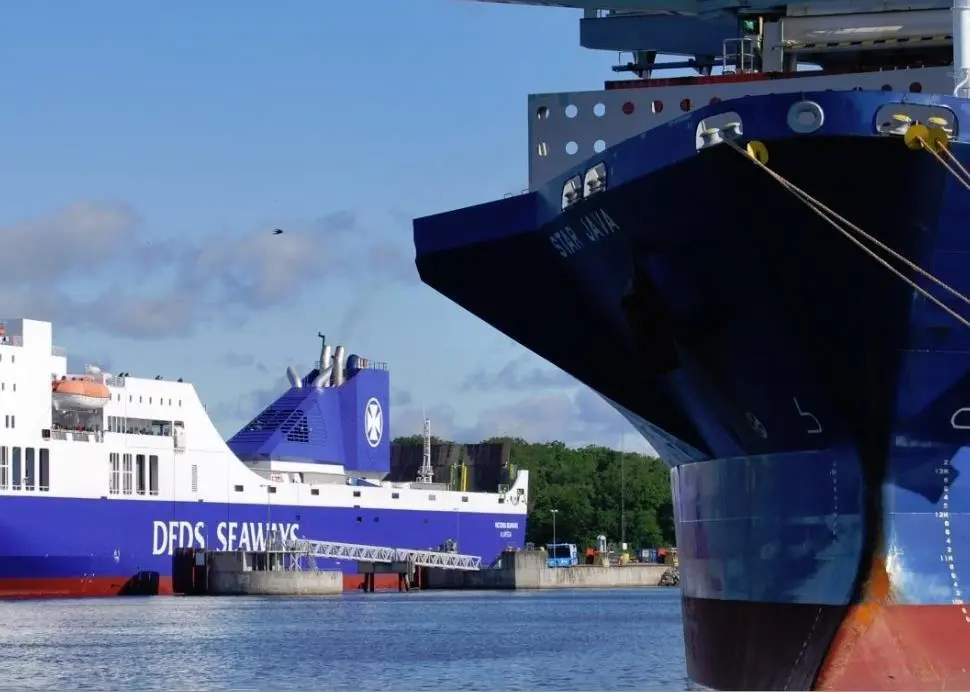
Shipping company DFDS has invested a total of DKR 2.5 billion in the construction of the new ferries and these are scheduled for delivery in 2021. To meet the requirements of these new ferries and to provide berthing to meet the increased size of these ferries in comparison with those currently operating the route the port authorities t Karlshamn are investing €12.2 million in a series of upgrades at the port.
The new Ro-Pax ferries will have a capacity of 4.500 lane metres each for freight and passenger vehicles compared with the current largest ferry which has a capacity of just 2,800 lane metres. The new vessels have a length of 230 metres and the new ro-ro berths at Karlshamn with be matched to this size and equipped with a variable height ramp. In addition to vehicles the new ferries will have a 600 passenger capacity
Located in south east Sweden the port of Karlshamn is considered as strategic for business and trade across the Baltic and it remains ice free all year round. Previously the EU contributed towards expansion at the port for facilities for the export of forest products and the EU continues to sponsor the port and will be meeting 20% of the costs of the forthcoming expansion of the ferry/RoRo-terminal. This expansion will include the construction of a 3rd Ro-Ro berth plus the widening of the current No.2 Ro-Ro berth. To meet the increased capacity of the new ferries there will also be an expansion of the lining-up areas for accompanied vehicles and it is planned to include a shore-to-ship electricity power connection for cold ironing.
An important part of the new expansion will be the dredging of the newly created berths to allow access for the ferries in all conditions. Currently two ferries run a daily service each way over the 200 miles route and the limited capacity of the current ferries has led to considerable delays on the route.

Related Articles
 OTHER NEWS
 OTHER NEWS
 FEATURES & VIDEOS