![MaritimeJournal[Seawork]](https://www.maritimejournal.com/wp-content/uploads/2026/09/MaritimeJournalSeawork.svg)




Two zones for development at Antwerp
Antwerp Port Authority in Belgium has issued a new Request for Proposals (RfP) for its Churchill Industrial Zone in the port area.
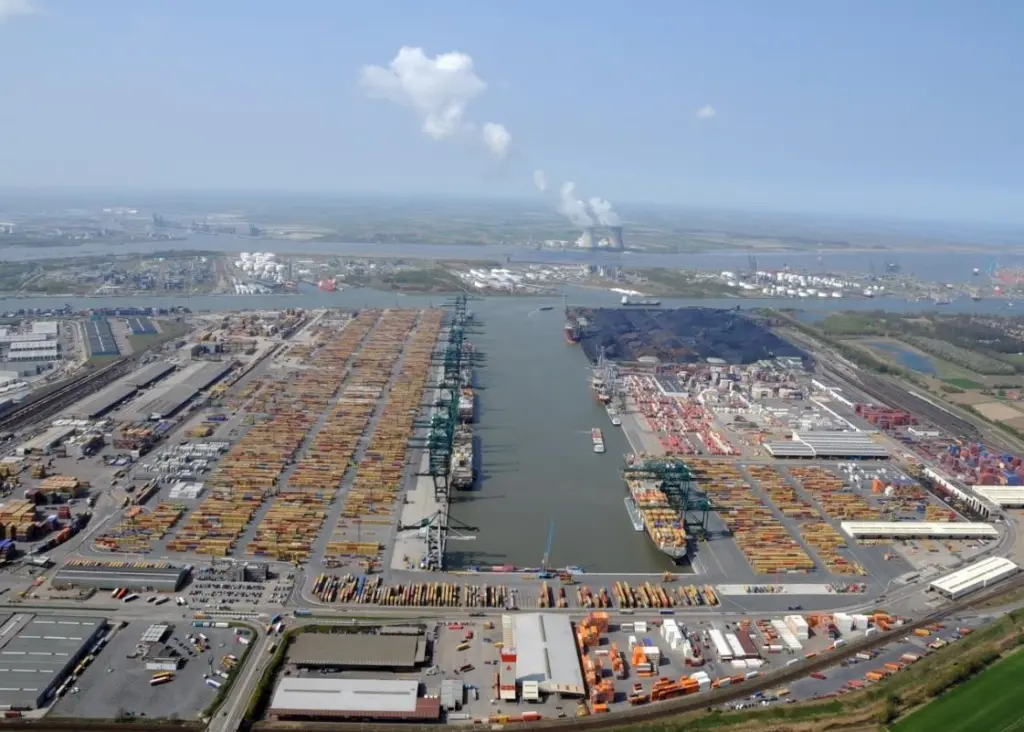
The previous RfP for this site concluded at the beginning of 2015 without any concrete result despite having been extended for an additional period, and so the entire site remains available for industrial projects that would create substantial added value and employment.
So far, however, no suitable projects have been submitted. The Port Authority board of directors therefore recently decided to issue a new RfP for the Churchill Industrial Zone, aimed specifically at “circular economy” projects.
A similar RfP was also issued on 12 April for the site in the Delwaide Development Zone that has become available as a result of the MSC shipping company moving its operations to a different part of the port.
ENERGY RECOVERY SYSTEMS
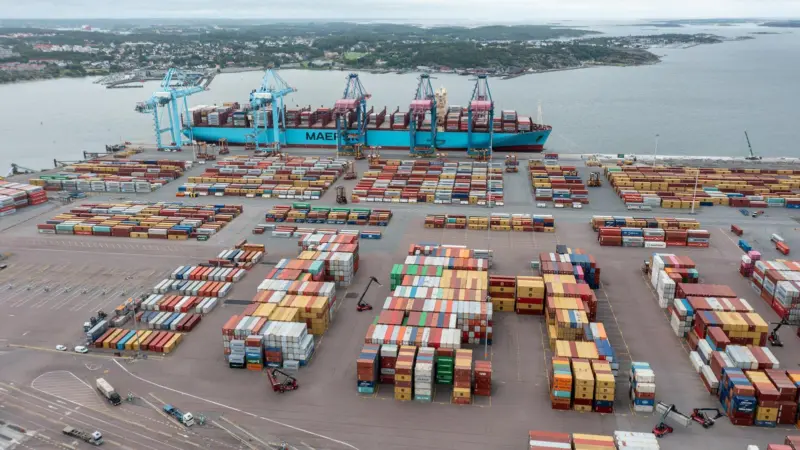
MSC notified the Port Authority at the end of 2013 of its desire to move its freight handling activities from the Delwaide dock on the Right bank of the Scheldt to the Deurganck dock on the Left. Reasons for the move given by MSC included the Delwaide dock having reached its maximum capacity together with the increasing unsuitability due to the difficulty of getting ever-larger mega-carriers through the locks. The Port Authority decided to accede to the MSC request in mid-2014, and a few weeks later an RfP was issued for the “Delwaide Dock South & North-East” zone. The Port Authority received ten or so project proposals for the zone at the beginning of 2015. In view of the potential value of the innovative waste-to-chemicals project submitted by Energy Recovery Systems (ERS) the Port Authority decided to further negotiate with ERS with a view to signing a concession agreement. During the intensive negotiations various alternative locations for the project were also discussed.
CIRCULAR ECONOMY
The Port Authority remains strongly convinced of the intrinsic strategic value that a circular economy project would offer for the port.
“Circular economy” refers to the re-use of by-products and waste flows as alternative sources of chemical feedstock (raw materials). Major international ports such as Antwerp are well placed to attract recycling activities and flows of suitable materials. More specifically in the case of Antwerp, the fact that the port hosts the largest integrated petrochemical cluster in Europe can be a significant factor in making the chemical industry more sustainable. Fossil raw materials – oil and natural gas – are still the main sources of feedstock for the petrochemical industry. But as well as contributing to global warming, such materials mean that the competitiveness and employment-generating capacity of the Antwerp cluster are highly dependent on imports of these raw materials.
The current low prices of oil and natural gas are helping to boost the productivity of the companies, at least for the timebeing, but since these fossil resources are ultimately finite their prices will inexorably rise in future. By contrast, a gradual transition to a circular economy based on alternative feedstock will not only reduce our dependence on fossil raw materials and make an effective contribution towards combating global warming, but it will also boost the competitiveness of the companies by intensifying the cluster effect and will keep Antwerp top-of-mind as an international investment location.
With the new RfP for the Churchill Industrial Zone the Port Authority seeks to attract a project that will match these principles of the circular economy. The site is particularly valuable as it is one of the few large areas still available which is centrally located in the Antwerp industrial cluster.
DELWAIDE DEVELOPMENT ZONE
Simultaneously with the new RfP for the 88-hectare Churchill Industrial Zone, the Port Authority has issued a request for tender for the “Delwaide Dock South & North-East” zone. The original RfP dates from the end of 2014 and the Port Authority wishes to find out whether the projects submitted at that time are still up to date. Furthermore, new market opportunities have arisen since the previous applications were completed, and the Port Authority wishes to give these a proper chance.
By Jake Frith

Related Articles
 OTHER NEWS
 OTHER NEWS
 FEATURES & VIDEOS