![MaritimeJournal[Seawork]](https://www.maritimejournal.com/wp-content/uploads/2026/09/MaritimeJournalSeawork.svg)



Ferry to test emissions-free flow batteries
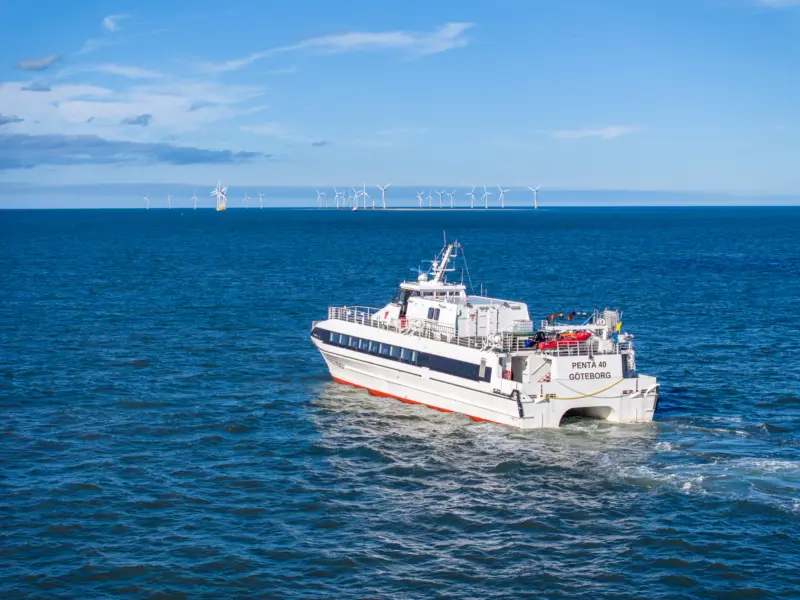
A project assessing the feasibility of using flow batteries in vessels to enable zero-emission marine propulsion and auxiliary power has selected a Houlder-designed harbour ferry for further research into zero-emission potential.
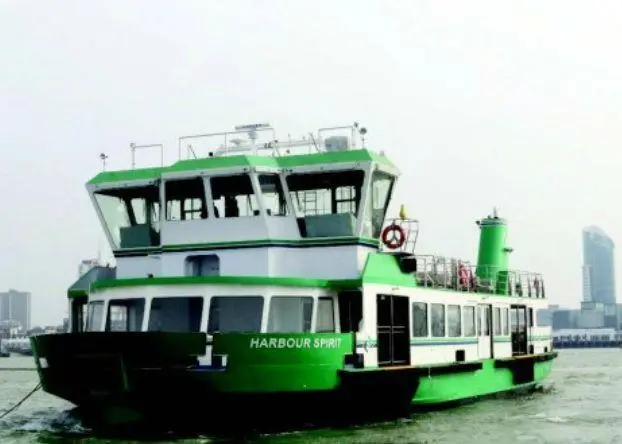
The FLO-MAR project, co-funded from Clean Maritime Call, a MarRI-UK initiative supported by the UK Department for Transport, chose the Houlder ferry for further evaluation due to its short crossings and subsequent low energy usage, coupled with regular charging opportunities during its daily operation.
David Wing, director ship design & engineering at Houlder, commented: “The flow battery offers advantages where the driving requirement for sizing the battery is energy storage and high numbers of charge/discharge cycles rather than peak power delivery.
“This, combined with the capability to trickle-charge a shore-based electrolyte storage and quickly replenish the ship’s battery by exchange of electrolyte fluids, means it is well suited to a typical passenger/commuter ferry having peak demands at the morning and evening rush-hour.”
Naval Architects and Houlder undertook an initial feasibility design study to look at a range of vessels to understand their technical suitability to use a flow battery in power generation for either propulsion or auxiliary loads.
Swanbarton specified the most suitable battery option for each of the vessels selected by Houlder, based on the power utilisation requirements. Its findings suggest a hybrid power system of bespoke flow battery and capacitors would be most suitable for the ferry.
Marine South East is project-managing the project, which will present its final assessment in early 2021.
By Rebecca Jeffrey