![MaritimeJournal[Seawork]](https://www.maritimejournal.com/wp-content/uploads/2026/09/MaritimeJournalSeawork.svg)





Enzymes Attack Fuel System Superbugs
Hugo Walls earliest recollection of fuel system contamination dates to a Readers Digest article he read in the 1960s about a Second World War cruiser trying to raise steam to escape Valetta Harbour in Malta as dive bombers approached. The ships boilers were coughing, spluttering and finally died. Despite the fuel gauges reading full and everything appearing normal, an inspection of the bunkers revealed a three foot long frond of growth.
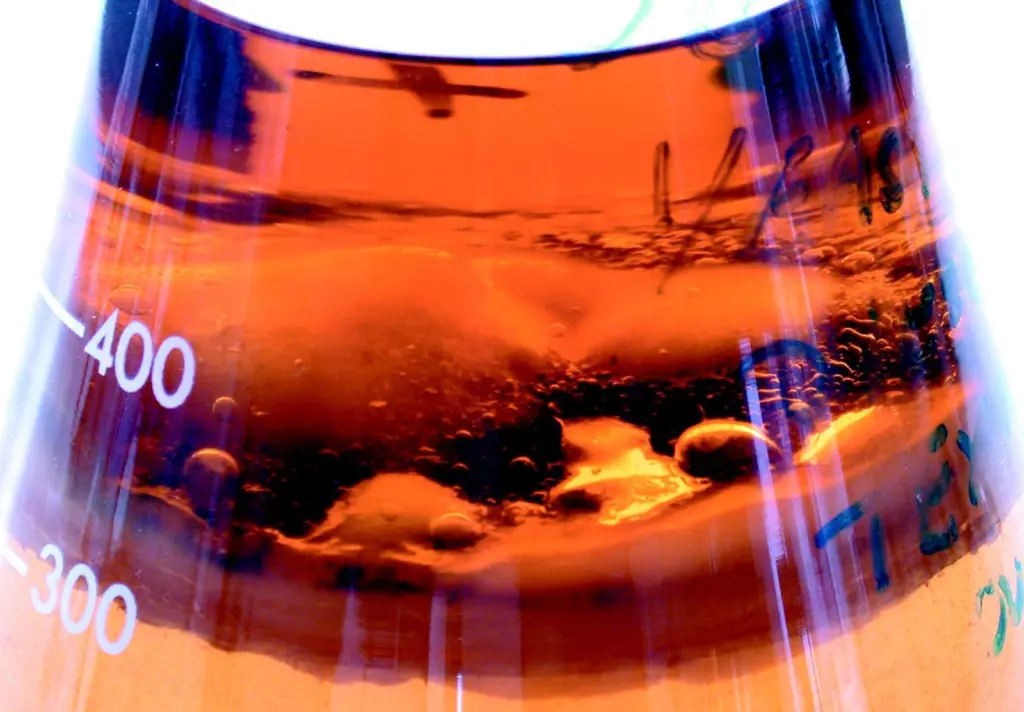
Now marketing director of Belfast based Soltron Ltd, Wall has observed that whilst engine technology and the composition of marine fuels has changed radically over the last 60 years, the ‘fronds’, now more commonly known as ‘bugs’, have also evolved. Navies around the world are still troubled by microbial contamination, as are the operators of all other types of vessels.
Knowledge has increased dramatically and the sampling, testing and identification of yeasts, bacteria and moulds is of a very high standard in countries such as the UK. However, we can still be surprised when a change of fuel specification or chemical composition promotes the growth of a new bug.
A number of engine failures at sea have been attributed to fuel related problems. The Coast Guard estimates that half of all ships which go aground do so because of fuel related engine problems.
The financial and mechanical costs are well documented; severe filter plugging, blocking of fuel lines and injectors, excessive wear and failure of engines and system components, pitting corrosion and plate failure.
A poll of the maritime industry has indicated that fuel contamination is on the increase, as are microbe levels in the sea which contribute to the corrosion of quaywalls, piers and other marine structures.
Fuel tank discharge combined with agricultural run-off and existing pollution in sea water can lead to unknown problems.
Microbial contamination is not new but with superbugs on the march, changes to EU legislation are making their control more problematic. Work in a government laboratory showed by chance that Soltron Enzymes had an effect on controlling microbial growth.
These Enzymes are specific catalysts that have an affinity to elements in fuels, fuel sludge being one of them. The removal of fuel derived sludge is critical in controlling the corrosive effects of, for example, Sulphate Reducing Bacteria (SRB). The initial lab work led to tests by ECHA Microbiology Ltd to evaluate the new approach to on board fuel contamination. Using military testing standards for contaminated fuel filterability, ECHA demonstrated that the use of Soltron Enzymes improved the flow of contaminated fuel through test filters.
Soltron has now had a number of South Coast UK operators using their product and the feedback has been positive. They report a significant reduction or elimination of tank bottom sludge, where SRB are to be found, and measurable improvements in emissions and engine performance.
MJ Information No: 19813