![MaritimeJournal[Seawork]](https://www.maritimejournal.com/wp-content/uploads/2026/09/MaritimeJournalSeawork.svg)



Funds for youth training in ship restoration
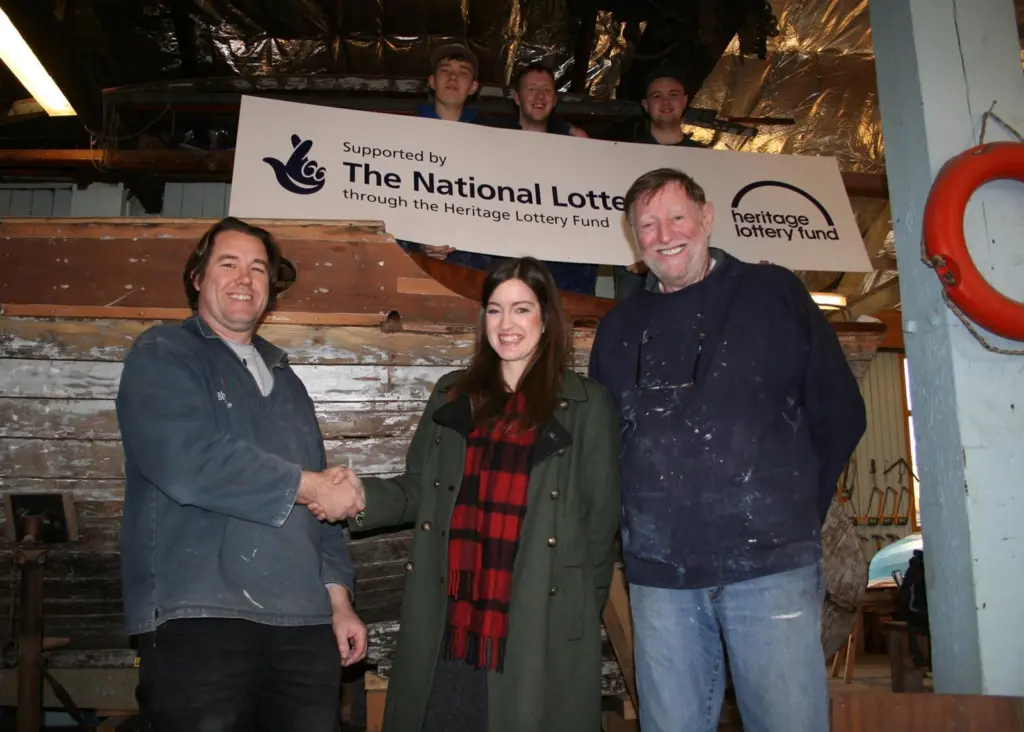
Blyth Tall Ship (BTS) has received initial support from the UK’s Heritage Lottery Fund (HLF) for an innovative exploration of Blyth’s ship building and Antarctic heritage from the 1800s.
The project will also carry out research to bring to life the lost story of the discovery of the Antarctic Landmass from Blyth in 1819 by Captain William Smith and includes the purchase and restoration of a tall ship.
Development funding of £99,700 has also been awarded to help Blyth Tall Ship progress their plans to apply for a full grant at a later date.
The project aims to train 100 young people over three years through restoring three iconic sailing vessels. Four of the young people involved will achieve NVQ level 3 in marine engineering through formal apprenticeships.
The quayside location at South Harbour, Blyth, will be open to the public with a museum, boats on display, restoration work in progress and a schools programme. Volunteers will carry out essential conservation work on boats with supervision and training from expert craftsmen. A new training and accreditation scheme will be developed with the team at Woodhorn Museum and Northumberland Archives to support volunteers in the digitisation of the Port of Blyth’s archive collection. This collection will then be published through a web portal, allowing online public access for the first time. Volunteers will also research and develop museum displays around the early ship building and Antarctic heritage of Blyth.
The discovery of the Antarctic from Blyth in 1819 by Captain William Smith in the Brig Williams, is a little known event, but one of global significance. Uncovering this lost heritage needs a ‘hands on’ experiential approach as documentary evidence is limited and traditional ship building skills are in very short supply.
Clive Gray, chief executive of Blyth Tall Ship said: “We are delighted and grateful to the HLF. The opportunity to restore and have a tall ship in Blyth as a centrepiece of a working boat yard, training centre and museum, that brings the era of early ship building and global discovery alive, will be transformational for the many thousands who will visit and be involved.”