![MaritimeJournal[Seawork]](https://www.maritimejournal.com/wp-content/uploads/2026/09/MaritimeJournalSeawork.svg)




Hybrid port patroller could reduce diesel burn by 70%
The Port of Oslo has signed a contract to purchase a new hybrid escort and port surveillance boat for delivery early 2021.
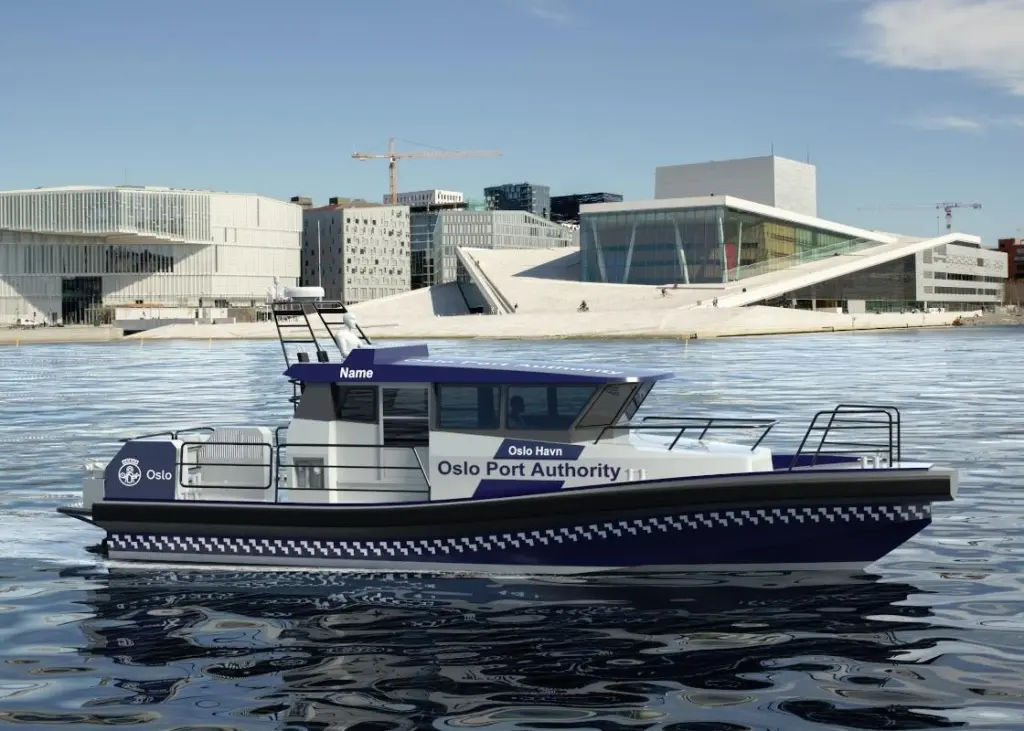
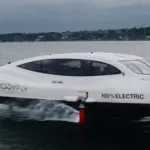
The new Patrol boat, to be constructed by Maritime Partner AS in Aalesund, Norway, will be among the most environmentally friendly of its type. The hybrid technology reduces the use of diesel by about 70%. The boat will run on batteries at low speeds, sufficient for inspections in the port areas. When high speed is required, the clean burning diesel engines are seamlessly started, while simultaneously charging the batteries. The boat can also be charged directly from shore power when not in use, says Ingvar M. Mathisen, Port Director at the Port of Oslo.
“It is particularly satisfying to sign this contract during these demanding Covid-19 times. This shows that the Port of Oslo are planning ahead even though the society practically was in lockdown,” said Peder R. Myklebust, CEO of Maritime Partner AS.
EMISSION-FREE AIMS
The port aims to be completely emission-free and the Port of Oslo will invest in green technology when acquiring any new equipment. The boats we are building now are ground-breaking when it comes to use of battery technology, says Port Director Ingvar M. Mathisen.
Maritime Partner have a strong focus on environmentally friendly boats. Several has already been delivered and we work on new projects that are both hybrid (diesel and electric) and fully electric. This is a requirement for the future and the technology is rapidly evolving, says Anders Bjørdal, Area Sales Manager at Maritime Partner. We are talking about several segments such as work boats, patrol boats and tourist vessels.
The Alusafe 1300 MKIII Patrol Hybrid – is to be built in recyclable aluminium. The new boat will replace the catamaran Falk, which has been operating in the harbour since 2000.
The propulsion is by twin water jets connected to the diesel and electric motors. The top speed exceeds 30 knots. Batteries can operate the boat at low speeds of 4-5 knots for 2-3 hours. The diesel engines use biodiesel, and emissions are in accordance with strict international environmental regulations.
By Jake Frith