![MaritimeJournal[Seawork]](https://www.maritimejournal.com/wp-content/uploads/2026/09/MaritimeJournalSeawork.svg)

Second HADAG ferry conversion in Hamburg
Hamburg’s ferry concern HADAG has taken the port excursion ferry Falkenstein back into service after the second conversion of its kind on a company ship inside three years.
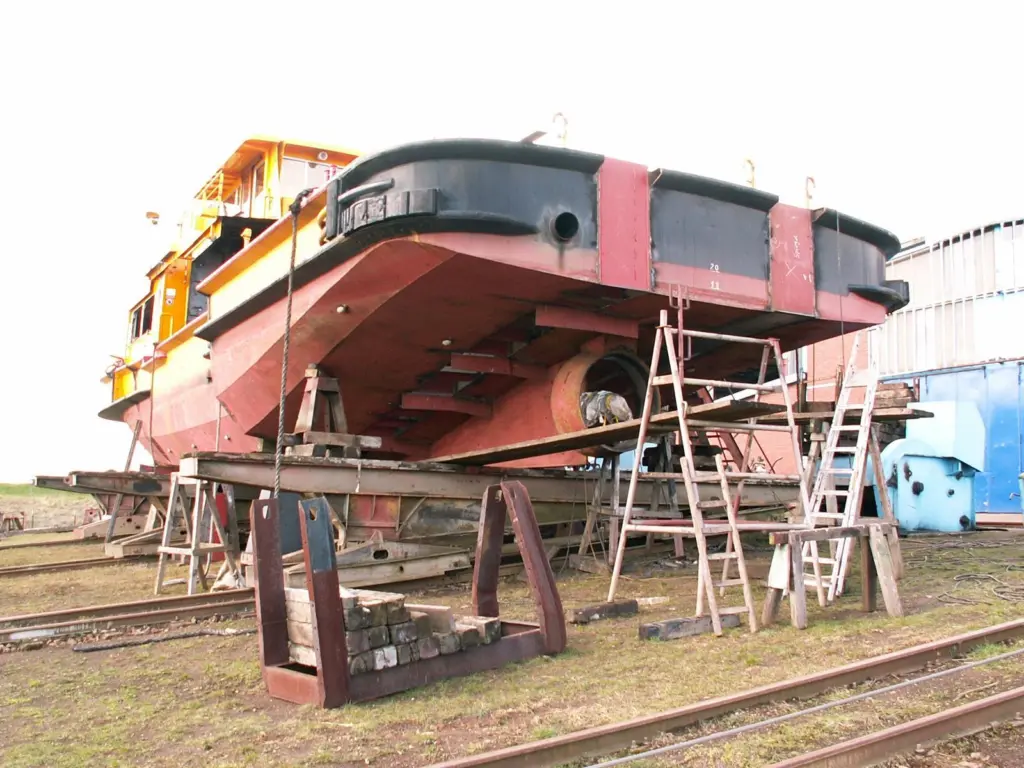
The conversion was carried out at HADAG’s ‘house’ shipyard, SSB Oortkaten, where the ferry was built in 1992.The work, which reportedly lasted seven months and cost €1m, was similar to that carried out in 2007on sister ship Wolfgang Borchert. There were, however, indications that the work this time was more extensive because the Wolfgang Borchert conversion was reported to have lasted only about three months and to have cost €500,000.
Work on Falkenstein included extensive interior revamping, with saloon areas forward and aft completely renovated. The ship was also widened by 1.3m to 7.75m, which meant the addition of a new stern tube which, in turn, resulted in a slightly increased length from 27.7 to 28m.
New safety regulations dictated the installation of an emergency Schottel Pumpjet propulsion system which reports said achieved 5.3 knots on solo operation during tests. The unit is designed to take over when the main engine fails but can also help in manoeuvring. On the Falkenstein reports said it replaced a lateral thruster which was removed during the conversion.
Falkenstein also got new gangway boarding points on both sides, designed to encourage passengers to use adjacent stairs to the upper deck and so eliminate lower deck congestion.
As MJ went to press, the SSB Oortkaten shipyard was also repairing another Hamburg excursion ship, the world’s first hybrid fuel-cell propulsion passenger ship Alsterwasser.
That 25.56m long vessel went into service in 2008 with ATG Alster-Touristik and was gutted by fire during maintenance work at SSB in April this year. A spokeswoman told this correspondent in July ‘the fuel cell propulsion system was not responsible for the fire’.
By Tom Todd