![MaritimeJournal[Seawork]](https://www.maritimejournal.com/wp-content/uploads/2026/09/MaritimeJournalSeawork.svg)





Pay Salvors for Pollution Prevention, Says ISU
Environmental protection, as a product of successful salvage, is undervalued according to the International Salvage Union .
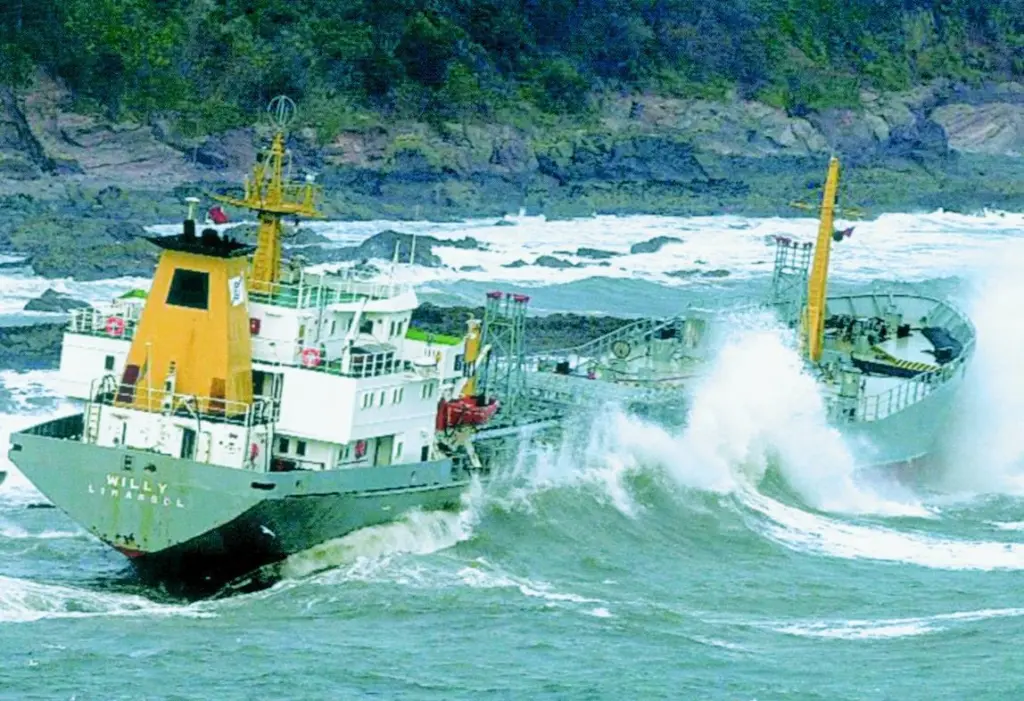
Traditionally, the salvor’s reward is related to the salved value of property recovered.
Any additional value placed on environmental (public service) salvage remains restricted to ‘safety nets’ such as Special Compensation under Article 14 of the Salvage Convention and the more recent SCOPIC remuneration system based on pre-agreed rates for vessels, equipment and personnel.
According to ISU President Joop Timmermans, both Special Compensation regimes have the primary purpose of ensuring that the salvor does not make a loss when responding in low value/ high risk circumstances. The SCOPIC system has been successful and the pre-agreed rates are profitable, but because SCOPIC Special Compensation is confined to situations where an acceptable conventional ‘no cure, no pay’ salvage award is unlikely to materialise, its use is confined to approximately 20% of cases. Thus, rewards to salvors in perhaps 80% of cases do not reflect the full value placed on environmental services by society.
‘This is at odds with public feeling in Europe and elsewhere in the world’, says Timmermans.
‘Public Service Salvage in the context of preventing or limiting pollution is now the dominant concern. Yet direct reward reflecting that prime concern is largely confined to SCOPIC, has only limited application, and remains firmly capped by the value of property salved.’
Timmermans describes this situation as a ‘disparity’, citing the $300m cost of the Erika sinking to illustrate the relationship between the salvor’s present scale of reward and the environmental benefit of salvage.
Timmermans concluded, ‘While the salvage industry has proved to be flexible and innovative in its efforts to continue to deliver worldwide service in a declining market for casualty services, a question mark remains over its ability to to maintain continuity of service in the longer term. The casualty response market is likely to continue shrinking as further initiatives improve safety at sea while the importance attached to marine salvage as the last line of defence against pollution is likely to grow. In reconciling these trends, some fresh consideration must be given to reward for Public Service Salvage in the environmental context.’
MJ Information No: 18368

Related Articles
 SPECIAL REPORTS
 TUGS & SALVAGE
 EQUIPMENT