![MaritimeJournal[Seawork]](https://www.maritimejournal.com/wp-content/uploads/2026/09/MaritimeJournalSeawork.svg)


Salvage 2014 a vibrant industry providing a vital service
The International Salvage Union has published annual statistics for 2014 showing the value of the salvage industry to the shipping world in general and the often unrecognised contribution to environmental protection.
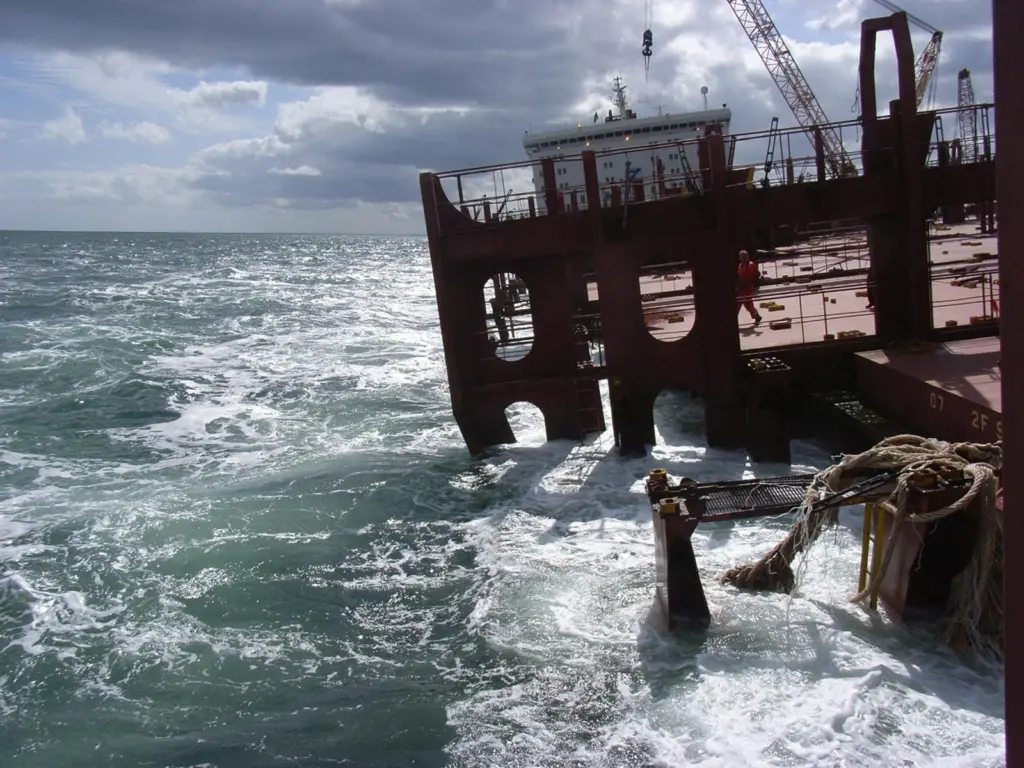
ISU represents the interests of 60 major salvors worldwide and also has 72 Affiliated and Associate Members covering organisations and professionals with an interest in salvage. The organisation’s annual statistics provide a good indication of the state of the industry and while settlements (not to mention operations themselves) can take several years from start to finish the figures speak for themselves, also indicating trends within the detail.
The figure that stands out is where in Lloyd’s Open Form (LOF) cases alone, US$1.2bn of property (ship and cargo) was salved relating to cases where revenue was realised in 2014 but which may be due from cases in previous years. Gross revenues from all activity was US$775m, almost the same as in 2013 (US$772m).
There was a notable increase in revenue from sources other than LOF work while at the same time, a fall in revenue from wreck removals probably reflects the conclusion or winding down of major case such as the Costa Concordia and Rena during the period.
There was a significant increase in non-LOF cases boosting the total number of cases recorded to 249, up from 196 in 2013 but the overall trend is a clear increase in the number of non-LOF cases and a continuing decline in the number of LOF cases. Revenues from LOF has correspondingly fallen from US$202m in 2013 to US$181m in 2014. It follows therefore that non-LOF revenues were up from US$62m last time to US$146m in 2014.
This trend reflects the preference by shipowners to use commercial terms other than LOF, a concern for ISU who believe LOF has great benefits in emergency response cases and includes the element of ‘encouragement’, an underlying principle of salvage for centuries.
LOF revenue as a percentage of salved values fell from 16.34% in 2013 to 15.2% in 2014 including cases where settlement was agreed and those that went to arbitration. Generally, settled cases are simpler and arbitrated cases more complex with the greater majority of LOF cases (around 75%) being settled.
While the number of wreck removal cases rose dramatically from 48 to 91 in 2014, revenue from this source fell from US$458m in 2013 to US$394m in 2014 as well-known cases were concluded or wound down.
Finally, and without doubt just as importantly, it is important to highlight that salvage and wreck removal also includes other ‘marine services’ including bunker removal and dry cargo recovery as well as dealing with wrecked hulls and despite the fall in wreck removal income in 2014, the trend shows the increasing importance of this work for ISU members and the wider industry itself.
By Peter Barker

Related Articles
 SPECIAL REPORTS
 TUGS & SALVAGE
 EQUIPMENT