![MaritimeJournal[Seawork]](https://www.maritimejournal.com/wp-content/uploads/2026/09/MaritimeJournalSeawork.svg)

Wreck removal convention comes into force
The Nairobi International Convention on the Removal of Wrecks, 2007 came into force recently placing strict liability on owners including provision of financial security and providing State Parties with extra rights.
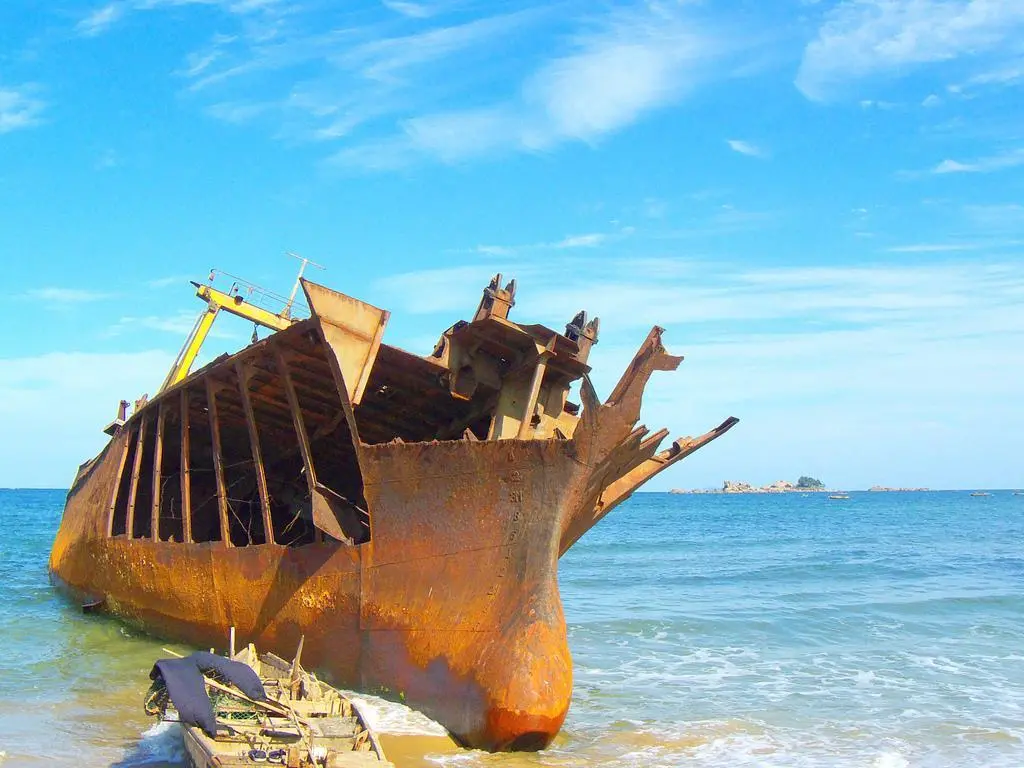
The Convention was adopted in Kenya in 2007 and fills a gap in the existing international legal framework by providing a set of uniform international rules for the prompt and effective removal of wrecks located in a country’s exclusive economic zone or equivalent 200NM zone.
Liability for owners includes locating, marking and removing wrecks deemed to be hazardous and makes State certification of insurance, or other forms of financial liability, compulsory for ships of 300gt and above. Rights for State Parties includes that of direct action against insurers.
When salvors respond to an emergency which starts out as salvage operation but quickly becomes one of wreck removal (two different situations) differing risks have to be considered. These include the financial risks involved between salving a ship and cargo containing value and removing a wreck that has become a hazard to others and a threat to the environment often involving something of little or no value. And while the commercial operators can understandably refuse something that is financially too risky, the State are left with solving the problem of the intruder of their ‘land’. There is obvious interest in all parties having adequate provision to ensure those involved meet their responsibilities.
The convention provides a duty on the ship’s master or operator to report to the “Affected State” a maritime casualty resulting in a wreck and a duty on that State to warn others of the nature and location of the wreck, it also provides a duty on the affected state to take all practicable steps to locate the wreck. Also included are criteria for determining the hazard posed by wrecks, including depth of water above, proximity of shipping routes, traffic density and frequency, type of traffic and vulnerability of port facilities. Environmental criteria such as damage likely to result from the release into the marine environment of cargo or oil are also included.
Measures are included to facilitate the removal of a wreck, including the rights and obligations of those involved when the shipowner is responsible for removing said wreck and when the Affected State may intervene. Additional provisions cover the liability of the owner for the costs of locating, marking and removing wrecks with the registered shipowner being required to maintain compulsory insurance or other financial security to cover liability under the convention.
The Convention provides a legal basis for States Parties to remove, or have removed, wrecks that pose a danger or impediment to navigation or that may be expected to have consequences to the marine environment or damage to the coastline.
By Peter Barker
Related Articles
 SPECIAL REPORTS
 TUGS & SALVAGE
 EQUIPMENT