


Pipeline noise delays dredging works
Westminster Dredging’s commencement last week of pumping for dredged material through a seaside town in Devon UK was halted by the client when noise levels exceeded expectations.
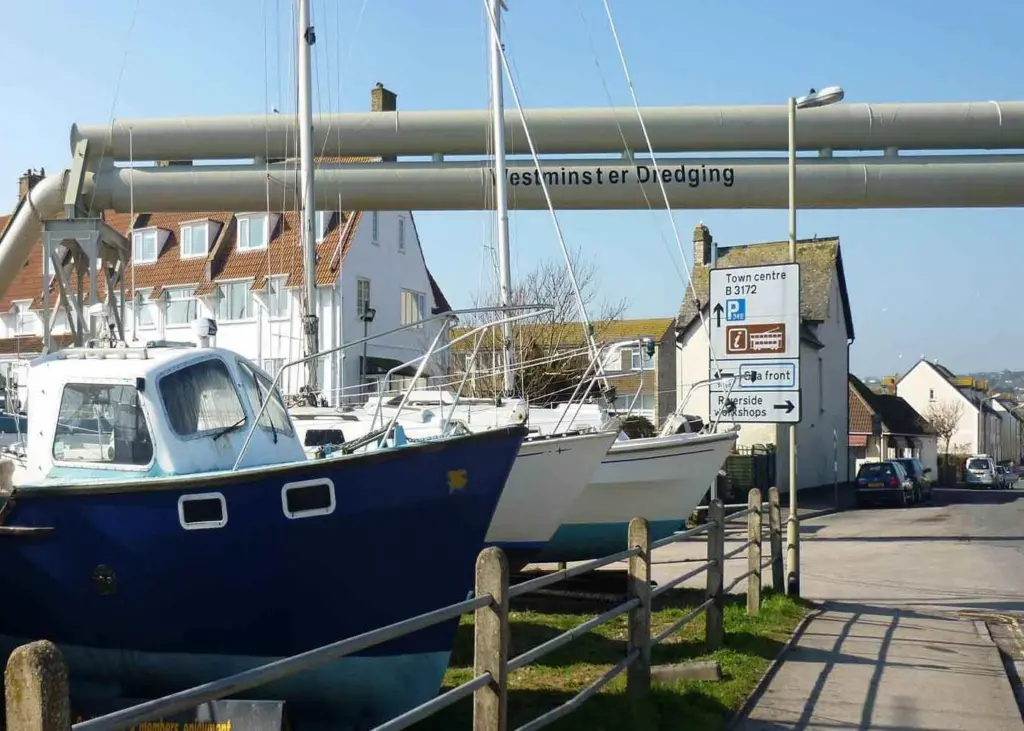
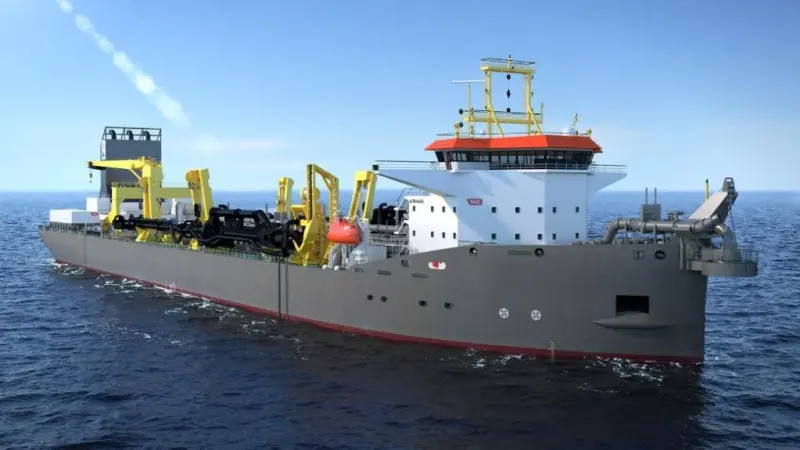
The project involves some 300,000 tons of dredged material won off the Isle of Wight by the trailing suction hopper Oranje being delivered by floating and onshore pipeline to raise the ground elevation at a Tesco store development site on Seaton’s Harbour Road. Oranje positions itself offshore and connects to a pipeline which runs to and across Seaton’s beach, through the Axe Yacht Club on the River Axe, makes a raised crossing of Harbour Road and another road and passes within 5 to 10m of housing before entering a reception pit on the building site.
A requirement of planning permission for the Tesco development was that the 40 acre flood plain site be raised to a level specified by the UK Environment Agency. Tesco had been the only developer willing to raise the entire site and will eventually sell some two thirds of it on to other developers in what is a major regeneration project for the town. Concern had been raised during a contentious public consultation about the lorry traffic which would result if infill was delivered by road. The solution to deliver the material by pipeline has removed the requirement for some 30,000 lorry movements through the town. Each 12,000 ton dredger delivery is pumped to site in two to three hours and is equivalent to 1,200 lorry loads.
Tesco had retained consultants Hydronamic BV to provide an estimate of pipeline noise. Their report predicted ‘an average measured sound pressure level of 54 dB(A) at a distance of 4m from the pipeline’, a level which Tesco said would be no greater than ‘polite conversation’. James Semple, chairman of local group Tescowatch and a retired senior lecturer in building physics, submitted his own critique of the estimated pipeline noise levels ahead of the planning permission hearing last autumn, which questioned the comparability of Hydronamic’s study of a pipeline in Rotterdam and suggested that actual noise levels would be much higher. In particular he questioned the noise which would result from gravel slurry rising and falling through angled bends required for the two 5m high elevated road crossings.
When deliveries commenced last week, an environmental health officer from East Devon District Council recorded average sound levels of 82 dB(A). Tesco and Westminster Dredging immediately agreed to stop night time pumping and Tesco circulated an explanatory letter to local residents the next morning.
Additional lagging is being added to the pipeline, specified to lower noise levels by at least 20 dB(A). Noise during daytime pumping is down to 65 dB(A) outside and 35 dB(A) inside nearby houses as that process nears completion. For the time being, pumping is limited to one dredger load per day between 07:00 and 19:00.
The first load through a fully lagged system was due to be delivered yesterday (Thursday). Oranje has a potential delivery cycle of 17 hours, which could see pumping operations at all hours if the process is to achieve its shortest possible conclusion. This will be allowed if noise levels are sufficiently reduced. A steadier rate of delivery could see the project completed by Easter.