





PODCAST: Rising claims mean insurance must be shipshape
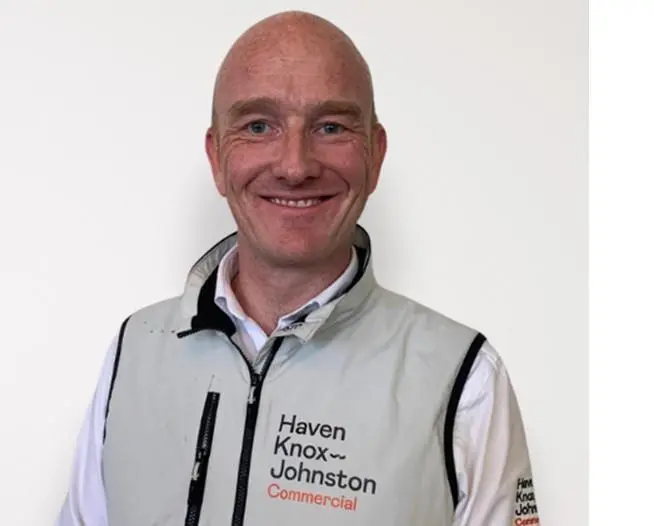
Vessel insurance has to be shipshape to avoid crippling penalties, says head of Haven Knox-Johnston Commercial Malcolm Stewart in an interview with Maritime Journal, with claims for corporate manslaughter being a very real possibility. He gives his tips on avoiding disaster in our latest podcast.
As the value of claims has risen steeply over the past five years, it is more important than ever to make sure any claims have the right amount of insurance to cover potential payouts.
Yet despite the risks, vessel operators and owners are sometimes falling short of managing them, says Stewart.
Vessels are actually safer than ever before, he says, but there are more of them and they are far more complicated.
“We do see a fair amount of under-insurance, particularly as in the last four or five years, the value of claims has gone up perhaps quicker than vessel owners realise,” he says. “So in the event of a claim, the value of the claim can outweigh the value on the policy, or what’s been declared on renewal.
“As tedious as it might be, looking through the detail on a regular basis is really important.”
Regulations have become more onerous and this is particularly true in the offshore wind industry, which is no longer a ’cottage industry’.
“Vessels have become more complicated and more onerous regulations in some ways makes insurance claims harder to deal with,” he says. ”We’ve got to check coding, we’ve got to check safety, we’ve got to check paperwork. Ten to 15 years ago the offshore renewables industry wasn’t very highly regulated – but it’s not a burgeoning industry any more, it’s a highly technical, professional industry. Even getting the boats out of the water can cost a couple of grand.”
Operators also need to be aware that different countries have different requirements, and in the US they can vary from state to state. Brokers can help here.
Personal injury
By far the most expensive and numerous claims are for personal injury, says Stewart, with vessel damage and so on taking up about 35%, personal injury the rest.
“Assets are fairly straight forward. Boat builders can fix a hole. Components can be replaced. But the liability aspect is far more difficult and a lot of the claims are starting at half a billion.
”Keeping people safe is why we spend a lot of time talking to clients about risk management. If a young person gets injured, you have to look after them for the rest of their life. If a boat sinks, that’s bad for business, it might cause disruption for 12 months or so, but if you injure somebody – well that’s the conversation we have to have.”
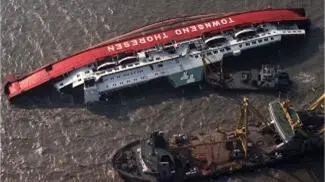
Stewart says that the corporate manslaughter law came as a result of the Herald of Free Enterprise disaster, when the Townsend Thoresen ferry capsized after leaving the Belgian port of Zeebrugge in 1987, killing 193 passengers and crew.
The vessel left port with her bow door open, which let the sea in and immediately flooded the decks.
The disaster also prompted the creation of the Maritime and Coastguard Agency, he says.
“Ultimately in that case the court case fizzled out, but there have been a couple of instances in the leisure commercial world where corporate manslaughter charges have been brought,” Stewart says.
Cyber security
One rapidly emerging threat is to cyber security, Stewart says, for which insurance is also available.
”Cyber is a big part of our business now,” he says. ”The vast majority of our clients have had some sort of hacking issue, and cyber insurance will cover any fines.
“Russia, China and North Korea are the main culprits, no longer Nigeria – which used to be a big one. It’s unbelievable, the amount of activity we hear about, and the Iranians are also starting to get involved. And you can’t see it – it’s not like a fire or a flood, the data has just gone.
”We’ve got a couple of clients who have done absolutely nothing wrong, but they’ve had the full force of the Kremlin attack them.”
Again, there is cover for this if paperwork is up to date and risk has been managed as well as possible. There are also safety measures to prevent hacking in the first place, with simple steps like changing passwords regularly a good idea.
“At the end of the day, we thoroughly recommend that you sit down and understand what you are insured for, and what happens if you get that wrong,” says Stewart. “Get a cup of tea and a cake, and read your paperwork for half an hour.”
Listen to more of what Malcolm Stewart says on our Seaworker Chronicles podcast.
Related Articles
 INDUSTRY NEWS
 ENVIRONMENT
 INSURANCE, LEGAL & FINANCE