



Production line substations to cut windfarm costs
Design, engineering and project management consultancy Atkins has won a contract to design another offshore substation for DONG Energy adding to the concept of standardising production to reduce costs.
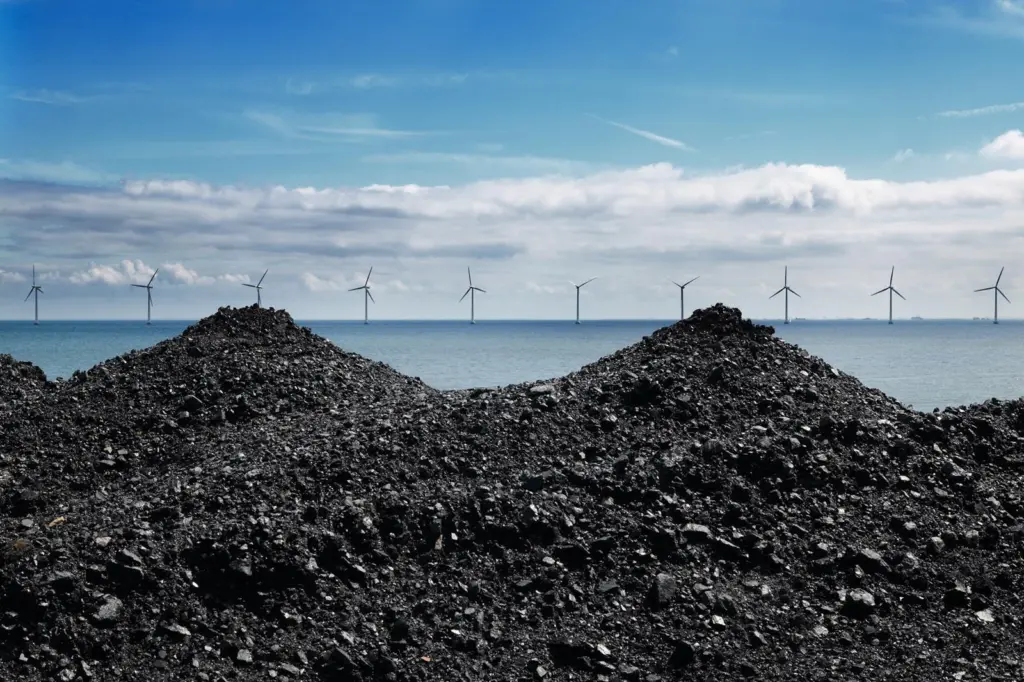
DONG Energy has what they describe as a “tough target” to cut the cost of offshore wind energy by 35% to 40% by 2020: cost cutting of course something the whole industry is working hard on. This latest contract to design an additional substation for the Race Bank windfarm in the Greater Wash area brings to five the total that Atkins have been entrusted to design. As Benj Sykes, UK country manager for DONG Energy Wind Power explains: “We are doing this [cost cutting] through standardising the building of a wind farm. Atkins is working with us to provide a design for five substations that can be applied to three of our projects. This will enable a production line approach to fabrication, rather than a bespoke solution each time and will reduce costs without compromising safety and reliability. It becomes more like buying off the shelf than ordering a unique product and that brings cost savings.”
Dave Parkin, managing director of Atkins’ Power and Renewables business, said: “With over 30 years looking after oil and gas offshore structures, we can directly apply lessons learned in terms of construction and operation in deeper water, foundation and jacket technology, the use of heavy-lift vessels and asset maintenance offshore. Our UK based team will be working together with DONG Energy to apply the lessons on the large, complex projects enabling us to set new benchmarks in stripping out any fat for an industry that needs to become more and more competitive with other energy sources.”
To maximise industry support from government, the cutting of costs is a pre-requisite and the news was welcomed by Michael Fallon, Minister for Business and Energy who said: “I want to see more UK firms throughout the supply chain profiting from growth in sustainable power. This contract is a promising step towards the creation of more highly skilled jobs as we establish a dependable and affordable energy mix.”
By Peter Barker
Related Articles
 OFFSHORE RENEWABLES
 OTHER NEWS
 MARINE CIVILS NEWS