


Thames tugs turn to biofuel
Tug operator Cory Group has switched its Thames lighterage tugs to biofuel after trials resulted in a net CO2 emissions reduction of 90%.
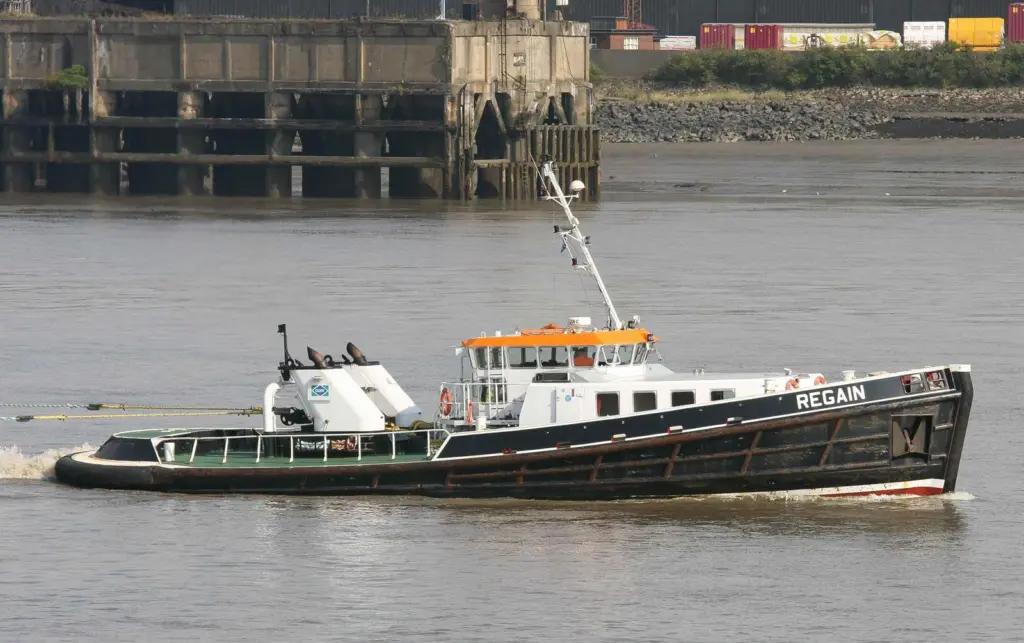
The move is part of Cory’s ambitions to decarbonise its river and transport operations including its tug fleet being powered by hydrotreated vegetable oil (HVO), produced from waste material including used cooking oil and waste fats which Cory states: ‘do not release any new carbon dioxide into the atmosphere’. HVO also reduces NOx and particulate matter emissions by 19% and 21% respectively and is in line with its broader business approach involving the effective use of waste.
Cory operates a five-strong fleet of lighterage tugs, most notable of which are four Damen Shoalbuster 2208S vessels Recovery, Resource, Redoubt and Reclaim delivered to Cory Environmental in 2010. This 1,400bhp/16tbp quartet are visually quite unlike the standard Shoalbuster range, specifically designed for this role and presenting a low air draught profile to negotiate bridges on the Thames. The fifth of Cory’s Thames tugs is Regain, a 26.5m, 1,610bhp/17.5tbp vessel again designed for the role and delivered by Delta Shipyard of Sliedrecht in the Netherlands in 1997.
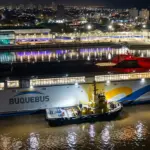
Cory’s presence on the Thames dates back 125 years, its fleet of tugs and barges transporting more than one million tonnes of recyclable and non-recyclable waste annually, a service that takes 100,000 truck movements off London’s roads annually. The company grew from a coal distribution company on the Thames and its tug and barge combinations carrying containerised waste are a familiar part of London’s river scene. Its commitment to waste transfer services was reinforced in 2020 with the sealing of a multi-million pound contract for 35 new barges, replacing many of its existing 50-strong fleet over the next seven years. For flexibility they will comprise two types with capacity for 20 and 30 containers.
Dougie Sutherland, Cory CEO said: “As we look to the future, which includes plans to invest £800 million into new projects in London and the South East, the river will continue to play a pivotal role in our operations. It’s therefore vital that we ensure that we invest in the sustainability of our tugs and in doing so help the UK to address the decarbonisation of shipping, another key aspect of the country’s net zero target while improving air quality.”
By Jake Frith
Related Articles
 TUGS & SALVAGE
 EQUIPMENT
 MARINE CONSTRUCTION