


Wärtsilä to develop advanced tugs in China
Wärtsilä Voyage has signed a MoU with China Classification Society (CSS) and Tianjin Port to develop China’s next-generation intelligent tug in line with CSS intelligent ship standards.
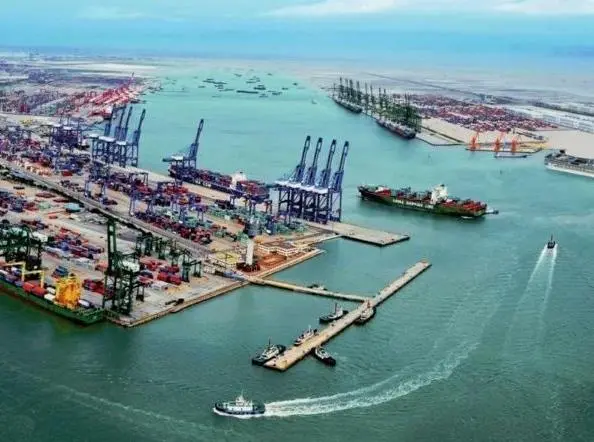
Intelligent tugs are developing in several forms including adapting established technology as reliability and functionality improves through potentially to future autonomous unmanned vessels. These advances allow the journey along the road to be a gradual one and this project has a larger aim to research, develop and adopt relevant technologies to enhance safety and efficiency with Tianjin being the reference case port and includes wider ambitions to develop intelligent ship standards for domestic vessels.
Wärtsilä Voyage is the intelligent marine technology arm of the Helsinki-based company and the project’s scope includes delivering advanced situational awareness technology and highly advanced digital simulators to enhance and expedite vessel concept testing, including intelligent and autonomous algorithm testing, training and safety. Wärtsilä Voyage states it will: “conduct systematic and human-centric user research to help optimise workflow and improve overall work performance and safety.” Developing the standards will also involve establishing international collaboration and knowledge exchange on safety standards and best practices of such smart vessels. The newbuild tug, expected to begin operation in Q4 2023, will be equipped with an advanced situational awareness system to detect small objects in low visibility conditions providing decision-making support to the crew. Looking at operations beyond the harbour wall, the aim is for the technology to be extended to domestic vessels in the future.
The ‘advanced technologies’ grabbing attention of late have potential mileage not only for tug owners and operators themselves but also their customers, ship owners who want to present a green image within their own operations. Ports also have an interest and with nine out of ten of the world’s busiest ports in Asia, seven of which are in China, Tianjin Port is also looking to benefit from any potential efficiency gains for their own operation. Increasing traffic, congestion, weather unpredictability and emissions have presented challenges for ports worldwide, Wärtsilä stating vessels in Asia are facing waiting times of five to seven days. This has acted as catalysts for ports to adopt innovative technologies to help mitigate delays and disruptions, including in Tianjin’s example shoreside activities as well as shiphandling tug operations.
Related Articles
 TUGS & SALVAGE
 EQUIPMENT
 MARINE CONSTRUCTION