![MaritimeJournal[Seawork]](https://www.maritimejournal.com/wp-content/uploads/2026/09/MaritimeJournalSeawork.svg)



5MW charging infrastructure planned for Estonia ferry route
High-power charging infrastructure is being planned to allow electric ferries to transport people and things across one of Estonia’s busiest ferry crossings.
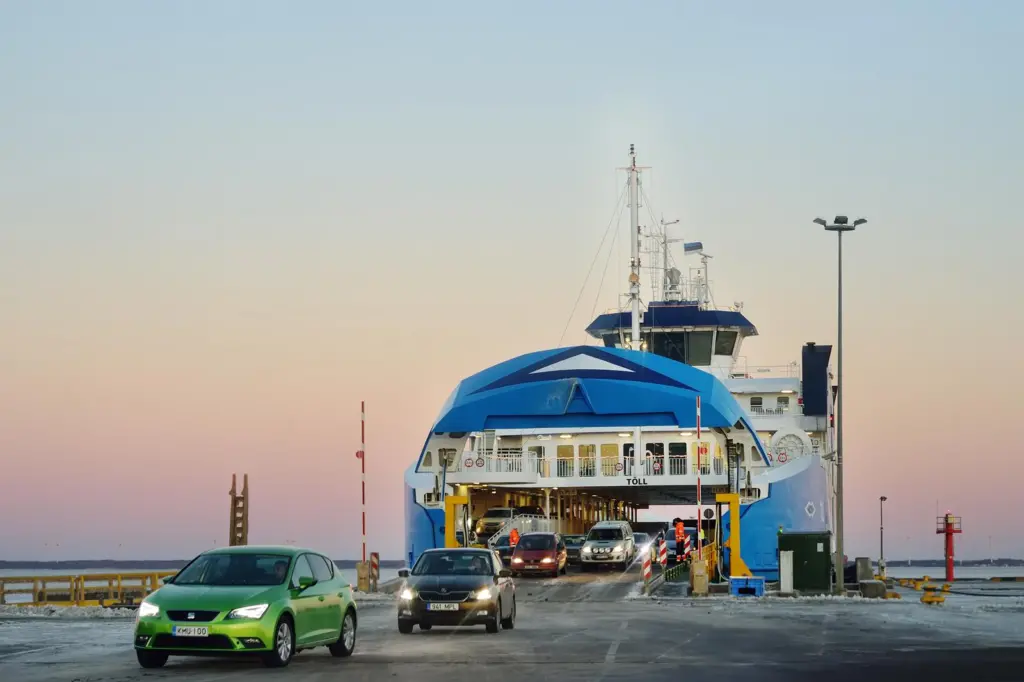
Norwegian company PSW Power & Automation AS has won a contract to deliver a Megawatt Charging System (MCS) for the Virtsu–Kuivastu route, which links the Estonian mainland with Muhu and provides access to Saaremaa.
The system will have two charging points at each side of the crossing, with up to 5MW of charging power available on each side. It will be connected to the Estonian electricity grid.
“This contract shows the growing international demand for reliable, scalable and future-ready charging infrastructure in the maritime industry,” said Jens Hjorteset, PSW’s director of business development. “We are proud to see Norwegian-developed technology contributing to the decarbonisation of ports and vessel operations beyond Scandinavia.”
The technology is based on PSW’s experience with high-power charging projects in Norway. Its MCS systems use a 1,500V DC architecture, which the company says provides higher efficiency and charging performance while allowing for future vessel requirements.
PSW recently completed a factory acceptance test of another MCS installation, described by the company as the world’s first marine fast-charging station combining energy storage with MCS charging. The tests covered technical specifications, safety functions, full-speed operation and the interaction between system components.
“Our ambition is not only to deliver charging systems, but to help shape the future infrastructure for electric maritime transport,” Hjorteset said. “The experience gained in Norway is already shaping the next generation of high-power charging solutions that will be needed across Europe.”
The system could eventually have uses beyond the ferries, and PSW says the solution can be adopted for other vessels using the new MCS standard.
The new ferry, being custom built for Estonia, will be smaller than the current Saaremaa ferries Piret and Tõll, carrying up to 380 passengers and 110 cars or eight trucks. The new state-ordered ferry, expected to be completed by the end of 2028, can switch to biodiesel in emergencies.
The ferry’s contract price is €50 million, about €8 million more than initially planned.