

Ice problems solved for tugs in winter
Finnish tug owner Alfons Håkans and propulsion manufacturer Steerprop have devised an innovative way of coping with a typical Baltic Sea hazard – crushed ice in the propulsion unit during winter months.
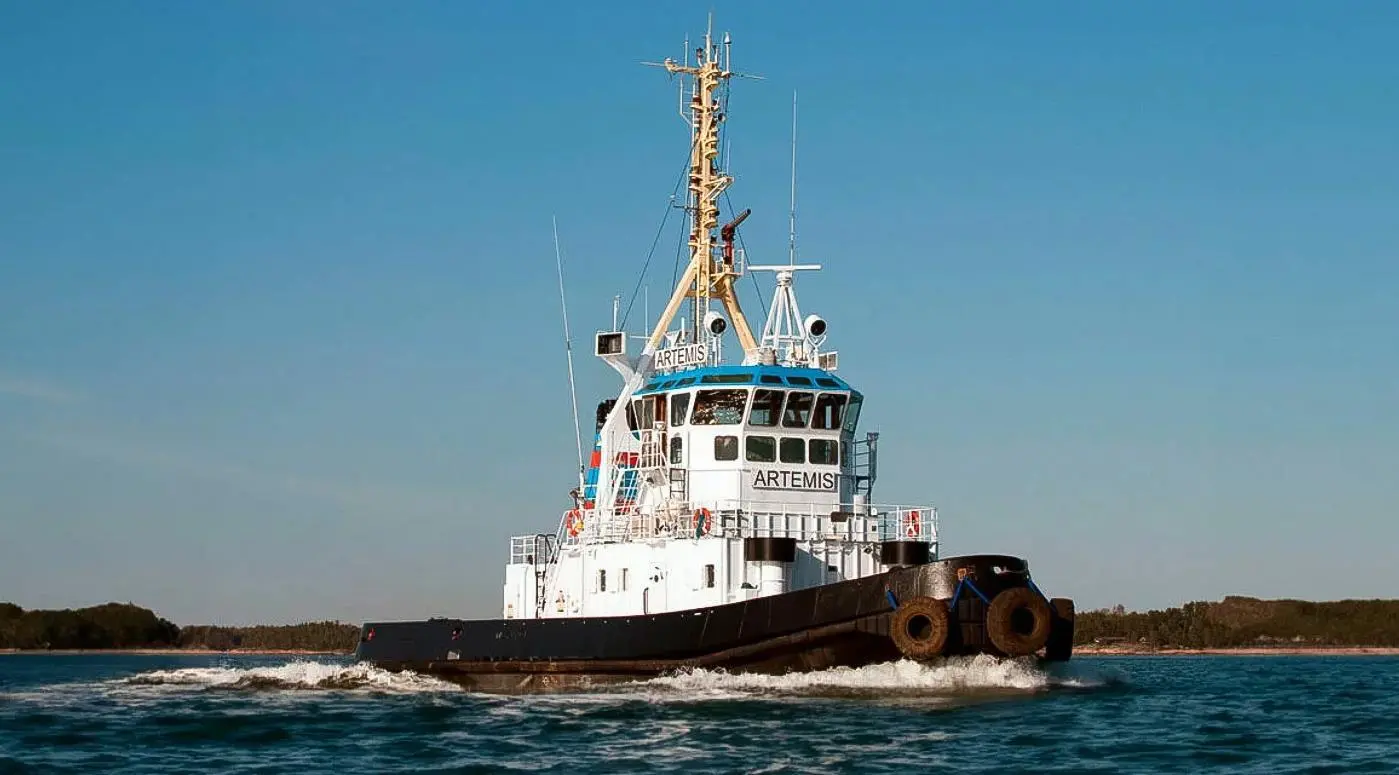
What started as a project to replace the thrusters in its 44-year-old tug Artemis led to a wider rethink on how to deal with the changing seasons, and how tugs have to adapt when operating in winter ice conditions.
In 2021, various options were considered for replacing the tug’s propulsion units, which were nearing the end of their life cycle.
A major overhaul would be costly and time consuming and the alternative was for new propulsion units as a retrofit.
The owner was also keen to upgrade the thrusters to models with a slipping clutch, something the original thrusters lacked, making manoeuvring ‘sometimes demanding, especially in small harbour basins’.
Håkans had already been in contact with Finland-based Steerprop, who had modernised and upgraded the control system on Artemis, so it was natural to involve them in a propulsion unit retrofit.
Dealing with ice
Tuomas Raumanen, Håkans technical manager, then considered if Steerprop’s work could include addressing the persistent problem faced by tugs during the winter, of nozzles getting jammed with crushed ice and dramatically reducing propulsion performance.
Emptying the ice from the nozzles is also a time-consuming job.
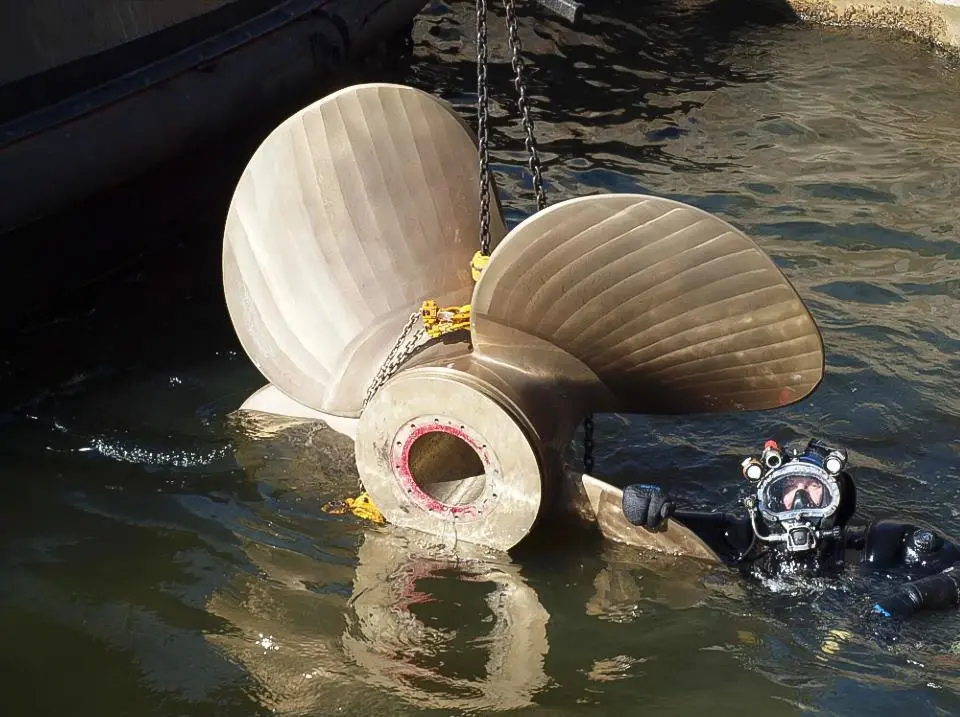
Raumanen challenged Steerprop’s design team to come up with a more mobile system instead of welded-in nozzles, so they could be removed in winter season and replaced in spring and summer.
Juho Rekola, director, Sales and Project Management at Steerprop, says the design team immediately saw the value in the idea.
“Nozzles filling with crushed ice is potentially a very serious safety issue, not to mention the drop in performance level. We were eager to tackle this challenge.” Rekola said.
The upshot was that instead of welding, the nozzles were bolted in place with two options for carrying out the procedure emerging, whether to do it in drydock or in an operation carried out under water with Artemis still afloat.
It was estimated that carrying out the nozzle change in drydock would take four to five days, although such an operation would involve extra time and expenses, for example reserving and getting the vessel to an available drydock.
Calling in the divers
Håkans couldn’t however know in advance how long the procedure would take if carried out under water, so Raumanen contacted Finnish family-owned DG-Diving Group, who were experienced in demanding projects and said they were confident they could ‘get it done’.
The moment of truth arrived at the end of February 2024, when Steerprop’s professionals were in place to install the new propulsion units and it was time to remove the nozzles and replace the seasonal propellers.
Carried out in freezing cold conditions, the procedure was expected to take time, but everyone was “pleasantly surprised” when the diving team completed the task in just four days.
“The Steerprop technician remarked that most dry docks couldn’t move that fast,” said Raumanen.
“And think of the conditions: for example, managing 10mm nuts with your bare hands in the Baltic Sea in February is not for everybody.”
He gave credit to the diving team, which numbered two to three divers depending on the work phase.
Steerprop’s Juho Rekola said the divers really did the “heavy lifting”, making it possible to pursue a wild idea to its fruition.
“The collaboration in this project was outstanding throughout,” Rekola said.
The final judgement of course was with the end result, and feedback from Artemis was positive, with the operability of the propulsion unit remaining ‘solid’.
The ‘nozzle on, nozzle off’ concept is now included in the retrofit scope of another Alfons Håkans vessel, the tug Apollon, which will be fitted the same way, says Raumanen, hailing Steerprop’s ability to think outside the box.
“We’re happy to expand on a winning concept,” Raumanen said.