![MaritimeJournal[Seawork]](https://www.maritimejournal.com/wp-content/uploads/2026/09/MaritimeJournalSeawork.svg)






Report highlights skills gaps in shipbuilding
Addressing future skills shortages in artificial intelligence, robotics and automation is essential to the future of the shipbuilding sector, according to a new report by the National Manufacturing Institute Scotland (NMIS), operated by the University of Strathclyde and based at the Advanced Manufacturing Innovation District Scotland in Renfrewshire.
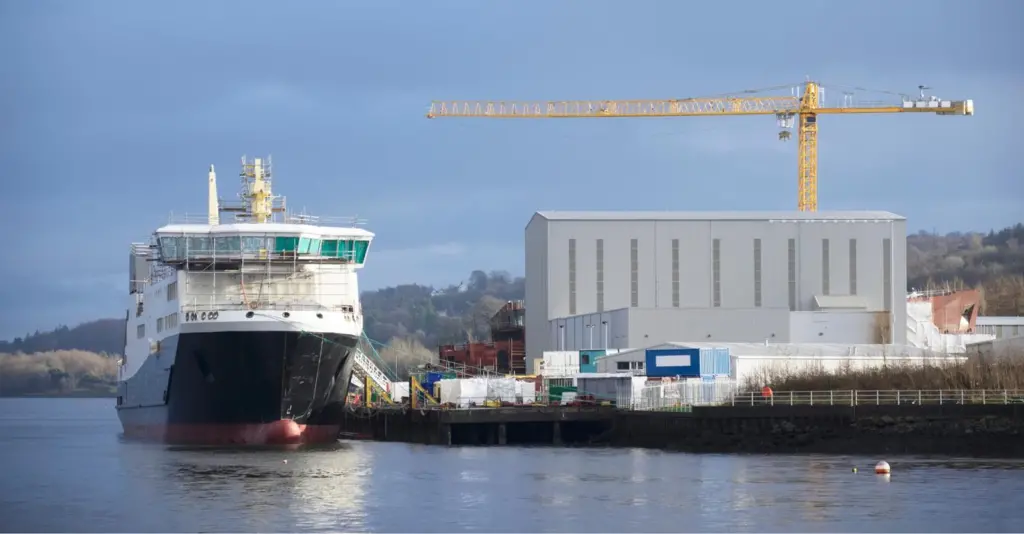
Developed in collaboration with industry partners and Innovate UK’s Workforce Foresighting Hub, the report looks ahead to the next five years and beyond, highlighting the need to equip the workforce with the necessary skills to adapt to evolving technologies.
“The speed at which we can leverage innovative technologies impacts the global competitiveness of UK organisations,” said Debbie Johnson, Head of Innovation Talent & Skills at Innovate UK, said.
“Often, new technologies are available, but a lack of skilled workforce prevents their full utilisation. By accelerating the adoption of new technologies by having the right skills at the right time, UK businesses can better position themselves as market leaders.”
While automation and robotics are already being used in shipbuilding, the report predicts an increasing demand for technology in tasks such as welding, joining and inspections in confined or hazardous spaces.
Hybrid roles
Traditional roles, such as welders, are expected to evolve by integrating new technologies and materials such as robotics and additive manufacturing. This shift underscores the importance of developing training programmes that prepare workers for hybrid roles combining traditional skills with expertise in advanced technologies.
The report recommends updating training modules, short courses and continuous professional development programs to bridge current skill gaps in the workforce. Collaborations between industry and training providers are also essential to design relevant educational programs.
As part of the High Value Manufacturing Catapult, NMIS used a combination of workshops, surveys and advanced AI tools to produce the report, which includes occupational profiles and job descriptions to help manufacturers identify future workforce needs.
These insights are also applicable to sectors like offshore wind, oil and gas, construction and transport.
With the UK shipbuilding sector contributing £3.1bn to the economy in 2022, the report’s findings align with the UK’s National Shipbuilding Strategy, aiming to increase productivity and cut the skills gap by 35% by 2027.