

Peel Ports recently commenced the procurement phase for the construction of its new deepwater container terminal at the Port of Liverpool.
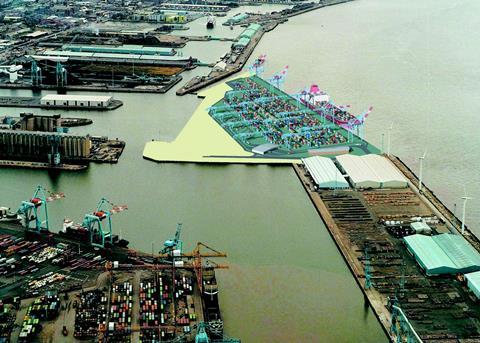
It was also revealed that the terminal, which will bring some of the world’s largest container ships to the Mersey, will be branded Liverpool 2 and will be open for business in 2015. The new terminal will accommodate two vessels of up to 13,500 TEU at a time. It will allow shipping lines to connect to the UK’s major trade centres in the most cost efficient manner and facilitate improved trans-shipment links to Ireland and Scotland.
Liverpool 2, which will have an estimated overall cost in excess of £300 million, is the key project in the Mersey Ports Master Plan, the 20 year vision for growth and future developments at the Port of Liverpool and on the Manchester Ship Canal.
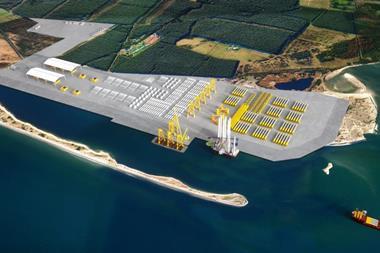
The development consists of the construction of a new deep water container terminal in the River Mersey, thus avoiding the vessel size restrictions of the current container terminal. The construction programme will include a new 854m quaywall, the in-filling of the newly created land mass, the dredging of a new 16.5m deep berthing pocket adjacent to the quaywall, the installation of ship to shore quay cranes and modern cantilever rail mounted gantry cranes (CRMGs) and associated supporting infrastructure works.
The company has advertised for a contractor to act in the role of principal contractor for the development of the terminal, and for a contractor to undertake a package of dredging, infilling and quay wall construction work. Further packages of work will be advertised during the second quarter of 2012, which will include design and consultancy services.
The quaywall will require 30,000m3 of concrete, 15,000m of steel piles and 6,100m of new crane rails. Dredging of the berthing pocket will remove around 1 million m3 of material from the Mersey. Almost 3 million m3 of infill material will be required to create the new container area.