![MaritimeJournal[Seawork]](https://www.maritimejournal.com/wp-content/uploads/2026/09/MaritimeJournalSeawork.svg)


Salvage issues debated at ITS 2018
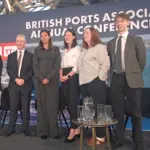
During the conference sessions at ITS 2018 organised by The ABR Company Ltd in Marseille (see ‘MJ’ August 2018) five high-quality papers were presented on salvage – your correspondent sat in and briefly describes three of them.
The session coincided with publication of ISU’s Annual Review 2017 (see elsewhere in this issue) and ISU president Charo Coll along with communications adviser James Herbert provided an overview of the industry. Stand-out points included describing the growing influence of state-owned salvage operators including from China, Russia, Cuba and Turkey, some operating within and others outside their borders and where ‘considerable technical difficulties’ are foreseen salvaging autonomous ships with an ISU position paper expected soon. On the subject of contracts, it was stated that commercial terms salvage can be more expensive than LOF, Ms Coll also highlighting the trend for ‘side letters’ intended to reduce awards.
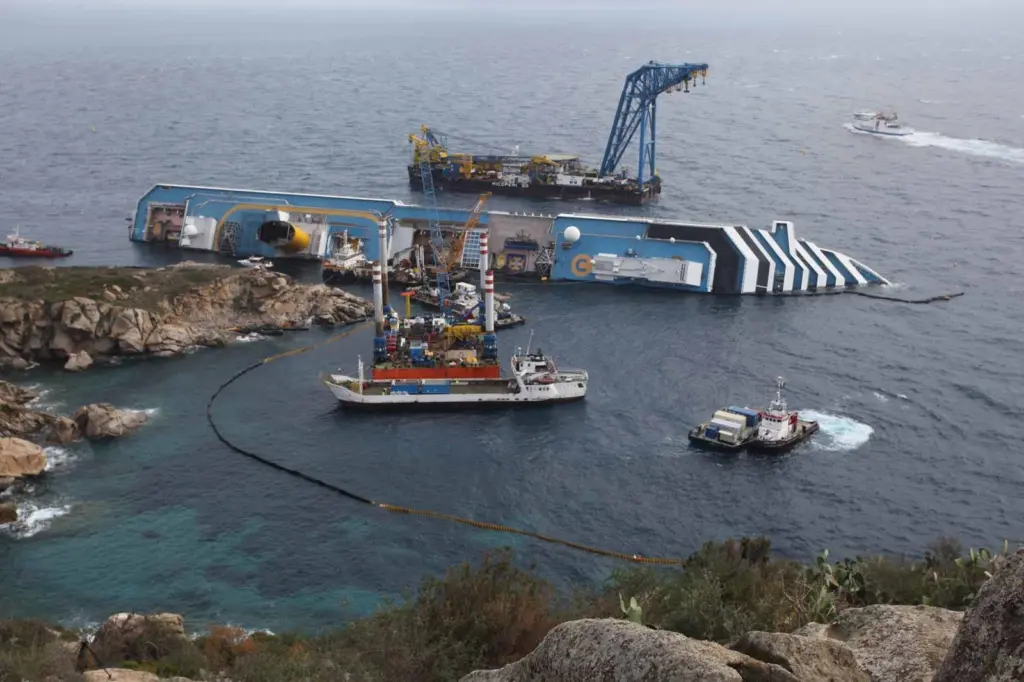
The P&I insurers perspective was taken up by Matthew Moore from The North of England P&I Association. The Rena and Costa Concordia wreck removals caused spikes in graphs and were wake-up calls for insurers and he described their ongoing work with salvors remembering P&I covers liability only, others covering hull, machinery and cargo. He also agreed that commercial terms salvage can be problematic with lots of agreement variations (compared with the well-understood LOF arrangement) with implications for P&I insurers.
James Herbert, ISU communications adviser presented an interesting paper examining the role of effective stakeholder engagement in managing major marine emergencies. The emergence of ‘stakeholders’ is relatively new and relates to anyone who has a stake in what you do, is affected by your decisions and importantly, can affect the decisions the organisation makes.
Mr Herbert made the point that where those involved are slow to engage with stakeholders, increasing public and media concern can in turn lead to regulatory or governmental intervention and possible loss of decision-making control for the salvor. Identifying and engaging with key stakeholders early avoids any information vacuum which can result in rumours and speculation.
While the media will be interested in marine incidents they are not necessarily stakeholders in that they will not usually be directly affected by the outcome of the incident but of course their ability to influence those who could be makes it important that messages should be consistent across all media forms.
By Peter Barker
Related Articles
 SPECIAL REPORTS
 TUGS & SALVAGE
 EQUIPMENT