

Electric propulsion aids lifecraft operation
Torqeedo has developed a high-thrust electric propulsion system for VIKINGs new LifeCraft survival craft which is integrated into the compact self-inflating design.
The electric propulsion system is a key enabling technology for the self-propelled craft because they don’t require frequent access to fuel, oil and ignition systems for maintenance when stowed on board. This allows the electric motors and batteries to be integrated into the craft’s design.
“VIKING’s new LifeCraft is truly innovative and offers compelling benefits to passenger ship operators,” said Dr Christoph Ballin, co-founder and CEO of Torqeedo.
Electric pod drives
The LifeCraft’s propulsion package consists of multiple, smaller motors for redundancy and manoeuvrability. Each craft has four Cruise 4.0 electric pod drives installed, powered by Power 24-3500 lithium-ion batteries in 48-volt banks.
One motor is installed at each corner of the boat and all are networked into an integrated energy monitoring system, giving the operator a clear view of motor and battery status at a glance.
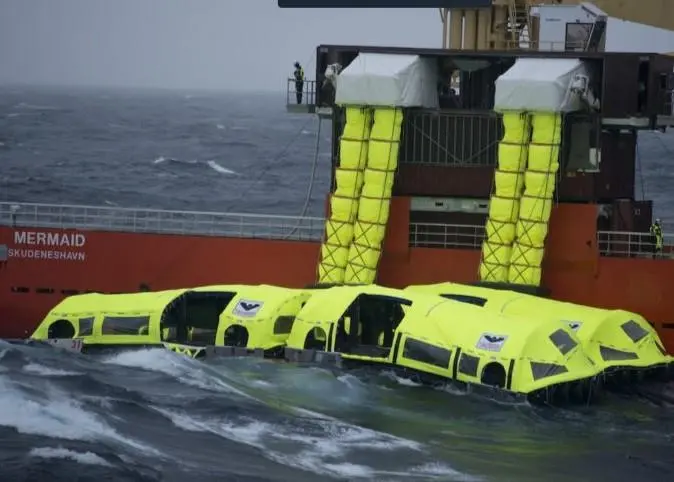
LifeCraft has been successfully deployed and operated in heavy weather trials in the North Sea, using the Mermaid tanker. The trials demonstrated the flexibility of the craft to move rescue capacity to wherever it is most needed.
During the tests, witnessed and approved by DNV-GL, wave heights were between 3.6 and 4.6m with peaks up to 10m – 50% above the stipulated heavy weather testing requirements – and wind gusts up to 18m per second (40 mph) were recorded.
A 24-hour controlled drift test in battering seas was also carried out with no damage to the vessels.
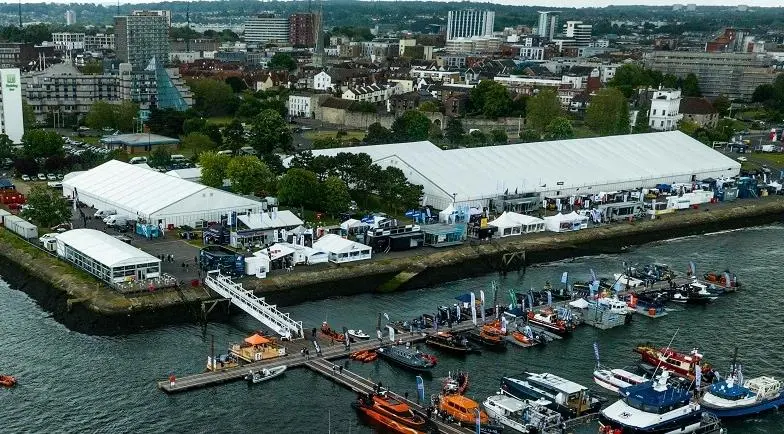
Torqeedo is exhibiting at Seawork 2019 on stand PO63 and VIKING is exhibiting on stand PB125.
By Rebecca Jeffrey