![MaritimeJournal[Seawork]](https://www.maritimejournal.com/wp-content/uploads/2026/09/MaritimeJournalSeawork.svg)




ISU looks in the mirror
The International Salvage Union has reported a positive reaction from respondents to research commissioned to properly understand how itself and the salvage industry is regarded.
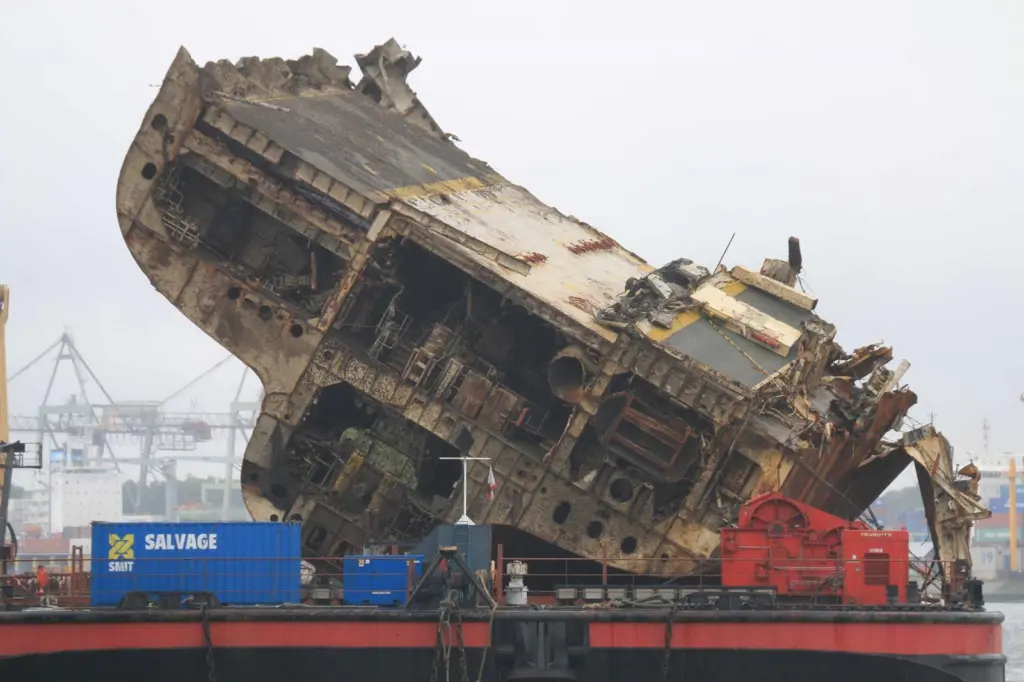
The news was reported at the ISU journalists’ lunch in London (attended by MJ), an event held annually providing a valuable opportunity to gauge the state of the salvage industry and hear about the work of the organisation that represents some 55 marine salvage companies from more than 30 countries.
As well as promoting the value of a well-financed salvage industry, ISU also encourages high standards of operation and conduct by its members with ISU presidents elected from within the industry, appointed for a period of two years. In September 2019 Mr Richard Janssen was appointed to the role, succeeding the previous president Ms Charo Coll who continues as a member of the ISU executive committee. Mr Janssen is managing director of Smit Salvage with 25 years’ experience of the marine salvage, towage, offshore and energy sectors and presented the briefing on the day.
ISU is responding to the realities of the current business environment including its work last year to “re-position” the industry to no longer dwell on the past and the era of tugs on salvage station and the pursuit of LOF above other considerations. It considers its members to be part of the owners and underwriter’s risk mitigation chain with the aim of being credible and trusted, promoting the value of its members who trade by providing services which save life, protect the environment, mitigate risk and reduce loss.
Ardent (see Towlines) came about from the merger of Svitzer Salvage and Titan Salvage in 2015 and is an example of the approach by such organisations to provide emergency preparedness, in its words aiming to be “the maritime industry’s long-term loss mitigation partner.”
Captain Nick Sloane of Resolve Marine Group has been proposed to the membership as ISU vice president and talking to MJ on the subject of the value of the industry he stressed the difference in cost to owners and underwriters between resolving a situation through a salvage operation and dealing with a wreck removal including of course where in addition to the increased costs, particularly environment-related the owner actually loses the asset itself.
The survey was international with more than 100 respondents from shipowners, P&I Clubs, ISU members and associates but while some property insurers participated it was not as much as hoped for, described as a “missed opportunity” by ISU.
The headline results of the survey show that the “overall satisfaction” with ISU was 7.44 out of a maximum score of 10. Mr Janssen stated that the company that did the survey said this was a good result, something he gladly accepted.
The responses showed that ISU is considered credible and trustworthy and thought to participate in appropriate forums and that it promotes the industry, has an international outlook and provides networking opportunities. For the overall perception of the industry (as opposed to ISU) the highest scores were for the industry being competent, reliable and safe. There were some lower scores however “though still not bad” for professional salvors being trustworthy and providing value for money.
Commenting on the survey, Mr Janssen said: “Our interpretation of the results suggests that we need to increase out interaction with owners and insurers about their present and upcoming challenges and how salvors can support them in that. We also must continue our drive to ensure high ethical and operational standards. But then again, it takes two to tango.”
Returning to the involvement of emergency preparedness with ISU positioning its members as part of the owners and underwriter’s “risk mitigation chain” one is reminded of the eighteenth and nineteenth century when metal fire insurance plaques were attached to buildings to indicate the insurance status of the property to the insurance company’s fire brigade in the days prior to taxpayer funded fire and rescue services.
The global, and geographically scattered nature of the world of shipping mean that when a ship gets into trouble it will be the best available salvage company backed up by adequate investment and highly-skilled, professional and properly trained personnel (not to mention the essential ‘tug of opportunity’) that saves the day meaning lives, the environment and property.

Related Articles
 SPECIAL REPORTS
 TUGS & SALVAGE
 EQUIPMENT