

Two dual-fuel powered tankers delivered to Terntank
Swedish tanker operator Terntank has accepted delivery of two hybrid fuel tankers at Gothenburg Port within two weeks of each other.
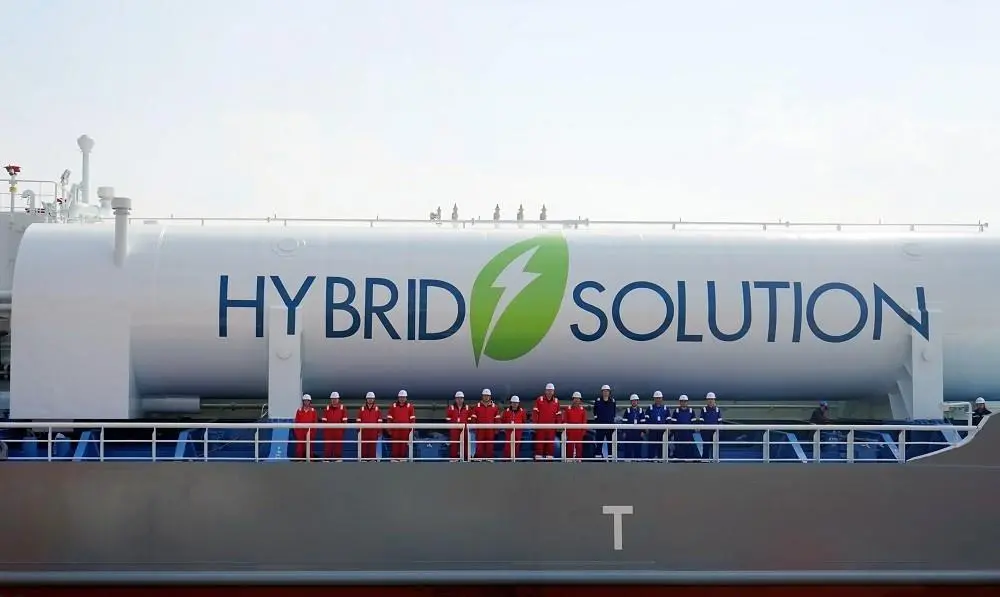
Tern Island and Tern Fors were designed by Terntank and Kongsberg Maritime and built at China Merchants Jinling Shipyward. The first was accepted at the port on February 11, the second on February 25.
Both are fuelled by LNG or LBG (liquid biogas), and are able to operate at port using a DC Link system to connect to power at Gothenburg Port – which is believed to be the first port in the world that can connect tankers to electricity.
The mechanism means the tankers can reduce their auxiliary energy consumption during port operations by 99%, Terntank says, and the battery packs provide an energy reserve for power generation, limiting unnecessary parallel running of generators and provides a blackout prevention function that keeps the electrical network alive.
The vessels are being hailed as green because they emit no greenhouse gases or carbon particulates during port operations. The main engine, boiler and auxiliary engine can reduce their environmental impact and perform safe operations running on biofuels.
“By combining the optimised hull and rudder design with dual fuel capability, when utilising 30% biogas, in comparison to a same sized conventional vessel, Tern Fors reduces emissions by 70% of CO2 and almost eliminates the emissions of sulphur oxide (99%), of particle emissions (99%) and nitrogen oxide (99%),” says the company.
Tern Fors has also been installed with a digital system by Kongsberg that optimises the vessel’s voyage by constantly adjusting its speed so that its arrival time can be controlled to the point that it can send a virtual NOR and move directly into port without having to drop anchor and wait to berth.
“This digital solution offers enhancement to the ‘Just-in-Time’ management, which is continuously being developed, providing vessel-to-cloud data infrastructure capturing and aggregating quality data in respect to the vessel’s overall operation,” Terntank says.
“The data gathered ranges from engine and piston performance, hull build-up, to even contact with ice. This data is then utilised to allow efficient and proactive maintenance, evidently leading to reduced emissions.”
Each vessel has a cargo capacity of 16,500 m3 and will be commercially operated by the Finnish North European Oil Trade in the Baltic Sea area.