![MaritimeJournal[Seawork]](https://www.maritimejournal.com/wp-content/uploads/2026/09/MaritimeJournalSeawork.svg)





INTOG lease winners announced
Crown Estate Scotland has announced the results of the world’s first leasing process to enable offshore wind energy to directly supply oil and gas platforms.
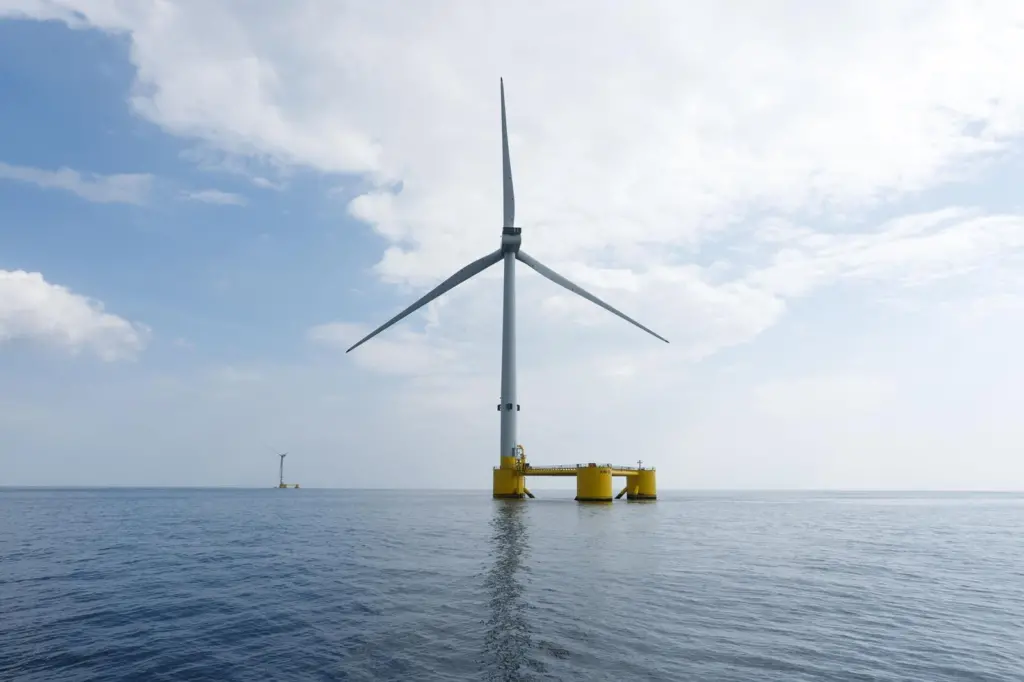
The Innovation and Targeted Oil & Gas (INTOG) process has chosen 13 projects which are either small-scale innovative projects of 100MW or less (IN) or focused on decarbonising the oil and gas sector through the use of renewable energy (TOG).
Ralph Torr, head of floating offshore wind at ORE Catapult called the announcement a ‘big vote of confidence in Scotland’s ability to attract investment for innovation that will drive down the cost of floating offshore wind’ the deployment of which will help ‘decarbonise oil and gas activities in the North Sea and play a key role in accelerating the broader energy transition’.
The 13 projects chosen from a field of 19 will supply a total of 5.4GW of new capacity and also provide energy to the national grid. One such lease winner is Flotation Energy who, in tandem with Vårgrønn, will develop up to 1.9GW of capacity from its Green Volt and Cenos windfarms.
National grid to benefit
Not only will the oil and gas sector benefit from this 1.9GW but up to 7TWh of energy will be fed to the national grid helping cut carbon emissions by three million tonnes each year.
“These floating windfarms will make a huge contribution to the reduction of CO2 emissions from offshore oil and gas platforms by replacing industrial scale gas turbines with renewable energy straight, while also becoming long-term infrastructure assets providing renewable electricity to millions of Scottish homes,” said Nicol Stephen, chief executive of Flotation Energy.
Other companies awarded the seabed rights leases include the Bluefloat Energy/Renantis Partnership, Simply Blue Energy, BP Alternative Energy Investments, ESB Asset Development UK, Cerulean Winds, TotalEnergies and Harbour Energy.
When added to existing Scottish projects such as Scotwind, Scotland will have a pipeline of over 36GW which represents more than 30% of the world’s total of known floating projects.

Related Articles
 ENVIRONMENT
 DREDGING & FLOOD DEFENCE
 ENVIRONMENT