![MaritimeJournal[Seawork]](https://www.maritimejournal.com/wp-content/uploads/2026/09/MaritimeJournalSeawork.svg)




Navigating the true impact of rising ocean temperatures
According to a recent NCEI (National Centers for Environmental Information) report, record warm temperatures covered nearly 13% of the world’s surface this August and globally, it was the warmest August in the 174-year NOAA record.

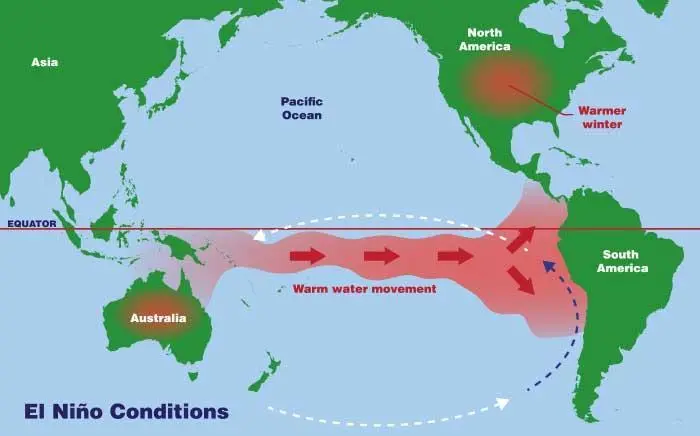
In addition, a growing El Niño event is driving temperatures higher, with reports suggesting it will strengthen towards the end of this year and the opening months of 2024.
Extreme weather events such as flooding, storms, droughts and heatwaves also have a wide range of negative impacts on businesses including significant damage to infrastructure, vessels and offshore installations as well as supply chain disruptions and consequent reduced profitability.
While no one can prevent weather events from happening, being able to detect when they are likely to occur will significantly reduce their impact.
By implementing weather detection systems, businesses gain additional time for risk planning and are able to take the proactive measures necessary in advance to ensure they are best prepared.
The changing tide
Changes in ocean temperatures have the potential to influence global atmospheric circulation patterns, such as the jet stream and monsoon patterns.
These changes can lead to alterations in natural weather patterns, potentially causing prolonged periods of extreme weather conditions in different regions of the world.
El Niño, which is indicated by ocean surface temperature increases ol,f more than 0.9° Fahrenheit for at least five successive three-month seasons, is known to trigger widespread warming across the Pacific.
This warming often leads to disruptions in marine ecosystems, affecting the distribution of marine species and altering ocean currents, ultimately influencing global climate patterns.
Moreover, warmer ocean temperatures can lead to increased evaporation rates, leading to higher moisture content in the atmosphere and heavier and more intense rainfall.
Rising temperatures in the sea also provide energy that fuels more intense destructive and intense tropical storms, highlighting the connection nature between oceans and weather.
Advanced weather monitoring
For businesses operating in offshore industries such as oil and gas, shipping or renewable energy, having reliable weather detection and forecasting systems is crucial.
Offshore companies can implement various strategies to mitigate the damage and disruption caused by extreme weather events.
First, developing comprehensive risk management plans that include detailed assessments of potential vulnerabilities can help identify weak points and allow for the preparation of appropriate responses.
Investing in resilient infrastructure and technology can strengthen the physical assets of an offshore business, making them more resistant to turbulent and highly straining atmospheric developments.
Introducing regionalised supply chains and establishing production in alternative areas can ensure business continuity in the face of disruptions.
Capitalising on collaboration with local communities, governments, and other maritime stakeholders can foster the development of early warning systems and contingency plans, enabling businesses to take timely and collaborative action in response to imminent threats. This maximises the safety of workers while also reducing the potential damage and disruption to operations.
Proactively investing in early warning technologies and fostering collaborative efforts within the maritime community is crucial for mitigating potential damage and disruption.
Offshore businesses must leverage innovative and collaborative strategies to weather the storms and move towards a more sustainable and secure future.

Related Articles
 ENVIRONMENT
 DREDGING & FLOOD DEFENCE
 ENVIRONMENT