
Economic ramifications of Riga port development
BMT Transport Solutions has won a contract to work on the Port Development Strategy for the Port of Riga, which is a vital part of the broader Riga Development Plan, emphasising that economically successful ports lead to successful seaside cities.
The forthcoming strategy will take into consideration issues such as cargo flow, financial forecasts, and the European Union policy on inter-modality in order to improve local conditions and save money.
Other key objectives laid down in the Port of Riga Development Plan by the Freeport of Riga Authority, the body responsible for overseeing the plan, include encouraging growth of ecologically clean cargo, and ensuring technical capacity within the Port of Riga to receive and handle vessels of all types.
Throughout the project, BMT will also evaluate community relations to the port, and their social and economic ramifications. BMT will encourage economic growth in Riga that is in line with sustainable development criteria.
Under the auspices of the project, BMT will conduct market analysis that will assess the economic factors prevalent within the Port of Riga and its development, with an end goal of converting the Freeport of Riga into a customers port of choice.
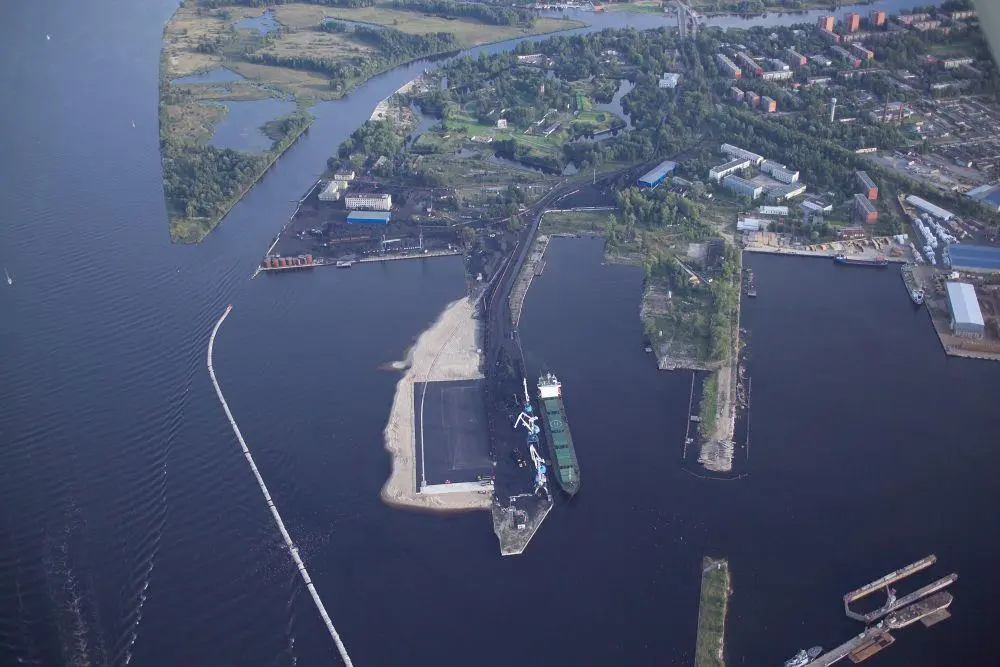
At present, BMT is investigating the key obstacles that must be overcome in order for the port to once again become a strategic centre for trade. For example, in some areas the port appears oversized, with only one container terminal having reached full capacity, but there are also identified bottlenecks throughout the local waterways.
‘The success of the port and the success of the city itself are integrally linked, said Wolfram Schaefer, senior advisor at BMT Transport Solutions. ‘We will therefore consider all the triple bottom line sustainability issues as we develop a plan to ensure economic, as well as social and environmental success. The Riga port project will allow BMT Transport solutions to explore all of the issues facing modern port development.’
BMT won the tender alongside its Latvian partner NK Consulting, an independent Latvian business consulting firm that designs, develops and evaluates local and international projects.
The Port of Riga is an international trade hub between the Baltic Sea and the Black Sea. In 1990, the Latvian Supreme Council adopted a Declaration of the Renewal of Independence of the Republic of Latvia, which led to the latest stage of development of the Port of Riga.